


7 minute read
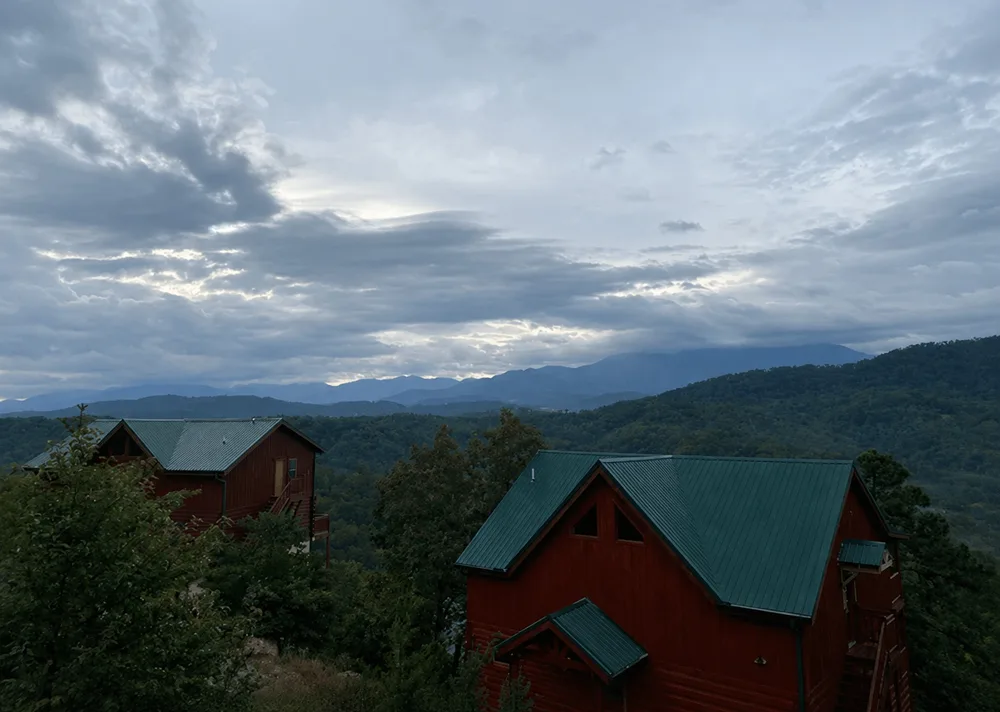
A cabin trip sounds simple at first. You picture quiet mornings, trees all around, maybe a porch with a view. No crowded lobbies, no packed elevators, just space. That’s the appeal, and it’s why more people are choosing cabins. Places like the Smoky Mountains have become especially popular for this kind of travel. The scenery is consistent, the pace is slower, and there’s a wide range of cabins scattered across the area.
But once you actually start searching, it gets messy. Too many listings, too many photos that all look the same, and not enough clear detail. Some cabins look perfect online, then turn out to be far from what you expected. Others might be great but hard to find because they’re buried under hundreds of options.
Booking the right cabin isn’t just about picking something that looks good. It’s about knowing what to look for and what actually matters once you get there. A little planning makes a big difference.
Choosing the Right Location and Setting for Your Cabin Stay
Location shapes the entire trip. You can have a beautiful cabin, but if it’s too far from everything or too close to noise, it changes the experience. Some people want full privacy, a cabin tucked deep into the hills with no neighbors in sight. Others prefer being closer to town, where restaurants, shops, and trails are easier to reach.
When you start comparing options like Smoky Mountain cabin rentals Tennessee has a lot of variety. Some cabins sit high with mountain views, others are surrounded by dense forest, and some are placed just minutes from popular attractions. Visit My Smokies helps travelers sort through these choices by listing cabins and chalets across the region, making it easier to compare locations, amenities, and availability in one place. They focus specifically on the Smoky Mountains area, offering a range of options from small cabins to larger group stays.
The key is to match the location with your purpose. If you’re going to hike and explore, staying closer to trails makes sense. If you want quiet time, a more remote cabin works better. There’s no single “best” location; it depends on what kind of trip you’re trying to have.
Understanding Cabin Types and What You Actually Need
Cabins come in all sizes, and it’s easy to overestimate what you need. A large cabin with multiple bedrooms might sound appealing, but if you’re traveling as a couple, most of that space goes unused. At the same time, choosing something too small for a group leads to discomfort.
Think about how many people are coming and how the space will actually be used. Bedrooms matter, but so does the layout. Open living areas, enough seating, and functional kitchens can make a bigger difference than extra rooms you don’t use.
Some cabins are designed for short stays, with basic setups. Others are built for longer visits, offering full kitchens, laundry, and more storage. If you plan to stay a few days, a simple setup works. If you’re staying longer, those extra features start to matter.
It’s less about picking the biggest or most impressive cabin and more about choosing one that fits your situation without adding unnecessary cost or complexity.
Amenities That Matter (and Those That Don’t)
Listings often highlight amenities first, and it’s easy to get distracted by them. Hot tubs, fireplaces, and game rooms—they all sound appealing. But not all of them are necessary.
Start with the basics. Reliable heating or cooling, clean water, and electricity are non-negotiable. After that, think about comfort. Wi-Fi might matter if you need to stay connected, or it might not if you’re trying to unplug.
Some features look great in photos but don’t add much to your stay. Others, like a comfortable bed or a well-equipped kitchen, make a bigger difference than expected. It depends on how you plan to spend your time.
Also, read the full description, not just the highlights. Photos can be misleading. Details in the listing often give a clearer picture of what to expect.
Budgeting Without Regret
Cabin prices vary a lot. Location, size, and time of year all play a role. A cabin that’s affordable during off-season might cost much more during peak travel times.
It’s also important to look beyond the nightly rate. Cleaning fees, service charges, and deposits can add up quickly. Sometimes a cheaper listing ends up costing more once those extras are included.
Setting a budget helps, but it shouldn’t be too rigid. If a slightly higher-priced cabin offers better comfort or a better location, it might be worth it. On the other hand, spending more doesn’t always mean a better experience.
Balance matters here. Focus on value, not just price.
Reading Reviews the Right Way
Reviews can help, but only if you read them carefully. Star ratings give a quick idea, but the real insight comes from the comments.
Look for patterns. If multiple people mention the same issue, cleanliness, maintenance, or communication, that’s worth paying attention to. One negative review might not mean much, but repeated complaints usually do.
Recent reviews matter more than older ones. A cabin might have improved or declined over time. Guest photos can also be useful. They often show what the cabin actually looks like, not just the polished listing images.
Don’t overthink it, but don’t ignore it either. Reviews are one of the few ways to see past the listing itself.
Booking Smart: Timing and Flexibility
Timing affects both price and availability. Popular locations fill up quickly, especially during holidays and peak seasons. If you have specific dates in mind, booking early usually gives you better options.
Last-minute bookings can work, but they come with risk. You might find a good deal, or you might end up with limited choices.
Flexibility helps. If your dates can shift by a day or two, you may find better pricing or availability. It’s a small adjustment that can make a difference.
Always check the cancellation policy before booking. Plans change, and knowing your options upfront avoids stress later.
Common Mistakes to Avoid
A lot of booking mistakes are simple. Choosing based only on photos is one of them. Listings are designed to look appealing, but they don’t always show everything.
Ignoring location details is another. A cabin might look perfect, but if it’s far from where you want to be, that becomes a problem.
Skipping over amenities or fees can also lead to surprises. And rushing the booking process without comparing options often results in regret.
Taking a bit more time up front usually prevents these issues.
Booking the right cabin isn’t complicated, but it does take some attention. It’s easy to get caught up in photos or pricing and overlook the details that actually shape your stay.
Focus on what matters, location, comfort, and how the space fits your needs. Take the time to read listings carefully, check reviews, and understand what you’re booking.
When you get it right, the cabin becomes more than just a place to stay. It becomes part of the trip itself, quiet, comfortable, and exactly what you were looking for.