



5 minute read
A room can feel completely different at 8 in the morning than it does at 6 in the evening. The furniture stays in the same place, the paint color remains unchanged and nothing dramatic happens inside the house. Still, the atmosphere shifts. Some spaces suddenly feel warm and welcoming while others begin feeling closed off without explanation.
That change often comes down to natural light. People notice it immediately when walking into certain homes, though it is rarely described directly. A brighter kitchen somehow feels easier to spend time in. A sunlit living room encourages slower evenings and longer conversations. Darker spaces, on the other hand, may feel heavy even when beautifully decorated.
In Richmond, VA, where seasonal weather changes influence how much time people spend indoors throughout the year, natural light becomes especially important inside the home. During colder months or long rainy stretches, brighter rooms often feel more comfortable emotionally because indoor spaces shape daily routines more than expected.
Natural light affects more than visibility. Mood changes with it. Energy levels shift around it. Even household routines begin feeling smoother when rooms feel open instead of dim and confined. Comfort grows quietly through those smaller details.
Windows Shape More Than The View
Many homeowners focus on furniture, paint colors and decor while overlooking how strongly windows affect comfort inside the home. Light enters differently depending on window placement, glass quality and the overall condition of aging frames.
Homeowners dealing with drafts, foggy glass, or rooms that constantly feel dim should work with a reliable Richmond window replacement company if those issues continue affecting comfort indoors. Older windows often reduce natural light while allowing air leaks and moisture problems to develop around the home.
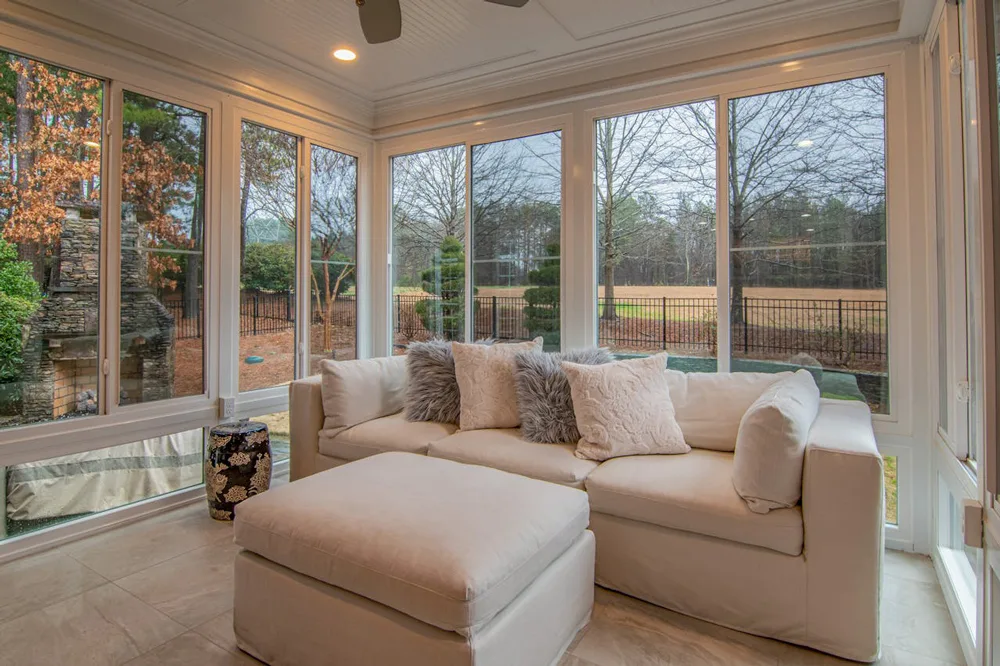
A brighter room usually feels larger emotionally even when the square footage stays exactly the same. Sunlight softens harsh corners, highlights natural textures and changes how people interact with a space throughout the day. Darker rooms often create low-level frustration without anyone fully recognizing why.
For example, one homeowner may replace aging windows and suddenly notice mornings feeling calmer because more daylight reaches the kitchen naturally. Another may realize a previously unused reading corner becomes the favorite part of the house once brighter afternoon light enters consistently.
Would a home still feel relaxing if every room stayed dim throughout the day? Many homeowners begin noticing the emotional effect of natural light only after brighter spaces become part of their routines.
Bright Rooms Change Everyday Habits
Natural light quietly influences daily behavior inside a home. People tend to spend more time in brighter rooms without even realizing it. Children often play longer in sunlit areas while adults naturally gather in spaces that feel open and inviting.
That effect changes routines in subtle ways. Breakfast feels calmer near bright windows. Evening conversations last longer in softly lit living rooms. Work-from-home setups feel less draining when daylight replaces harsh overhead lighting throughout the day.
Natural light also affects how organized a room feels emotionally. Clutter becomes easier to manage in brighter spaces because the room itself feels less overwhelming. Meanwhile, darker rooms often appear smaller and more crowded even when the layout remains identical.
One family, for example, may begin spending more time together in the dining area simply because better daylight reaches the room during afternoons. Another homeowner may notice fewer headaches after moving a workspace closer to natural light.
Comfort is not always connected to expensive upgrades. Sometimes the atmosphere changes because sunlight reaches spaces more effectively than before.
The Small Details Matter More Than Expected
Natural light works best when other parts of the home support it properly. Heavy curtains, cluttered furniture arrangements and blocked windows often reduce brightness without homeowners realizing how much the atmosphere changes because of those choices.
Several smaller adjustments can help rooms feel brighter naturally:
- Using lighter window coverings during daytime hours
- Rearranging furniture away from major light sources
- Keeping windows clean throughout the year
- Choosing softer wall colors in darker spaces
- Reducing unnecessary clutter near windows
None of these changes require major renovations. They simply allow existing light to move through the home more naturally.
Comfort Grows When Homes Feel Open
A comfortable home rarely feels dark, crowded, or disconnected from the outdoors. Natural light creates openness because rooms feel more breathable emotionally once daylight becomes part of everyday routines.
That effect also connects to maintenance and long-term home care. Older windows with damaged seals, moisture buildup, or blocked visibility often reduce brightness while creating discomfort indoors. Addressing those issues early helps keep your home comfortable without delay because brighter spaces usually feel healthier and easier to enjoy.
Functionality matters as much as appearance. A room filled with sunlight often feels cleaner, calmer and more welcoming without requiring dramatic redesigns. Even smaller changes such as replacing outdated window coverings or improving airflow can affect how the home feels overall.
Light Changes More Than Appearance
Natural light influences homes in ways people rarely notice immediately. Rooms feel calmer. Daily routines become smoother. Even stressful days seem easier to handle when the environment feels open and welcoming instead of dark and confined.
A brighter home does not require perfection. Expensive furniture and trendy decor rarely create comfort on their own. What matters more is how people feel while moving through the space during ordinary moments.
Sunlight changes how colors appear, how rooms function and how emotionally comfortable a house feels after long days indoors. Those changes may seem subtle initially, though they shape everyday life constantly.
Homes that feel relaxing usually support natural rhythms naturally. Mornings feel easier in brighter kitchens. Afternoons feel less draining in sunlit workspaces. Even quiet evenings feel calmer when rooms transition gently from daylight into softer nighttime lighting.
Natural light does more than brighten walls. It changes how a home is experienced emotionally from one room to the next.