


3 minute read
More than 80 percent of homeowners deal with at least one repair emergency every year, according to a 2025 survey reported by Contractor Magazine. That means if something breaks this year, you are not unlucky, you are normal. The real question is not if something will go wrong, but whether you will handle it calmly or let it spiral.
This guide is built for the moment your stomach drops and you hear water, smell smoke, or see sparks.
Step One: Slow Down Before You Make It Worse
When something breaks at home, panic is your worst enemy. Rush in without a plan and a minor issue can explode into a major repair.
If water is gushing, then head straight to the main shutoff valve, not the nearest towel. If you smell smoke, then flip the breaker before investigating.
Restoration Pros notes water damage hits 14,000 Americans daily, averaging over $15,000 per claim nationwide today.
The Most Common Home Emergencies
Most home disasters fall into a few predictable categories. Knowing them helps you prepare instead of reacting blindly.
Here are the usual suspects:
- Burst or leaking pipes
- Electrical shorts or overloaded circuits
- Sewer backups or major drain clogs
Plumbing failures top the fear list for nearly half of homeowners in that same 2025 survey. Neither a slow drip nor a minor clog feels urgent at first, but left alone, both can escalate fast.
Electrical problems are no joke either. The National Fire Protection Association reports thousands of structure fires every year, causing billions in property damage, as detailed in its 2024 fire loss report from the NFPA. If you see sparks or smell melting plastic, then you are past the DIY stage.
Know When To Call A Pro
There is pride in fixing things yourself. There is also wisdom in knowing your limits.
If the repair involves open flames, major water flow, or live electrical wiring, then it is time to bring in a professional. Not only does a licensed expert fix the immediate issue, but they also check for hidden damage you cannot see behind walls or under floors.
For homeowners in Pennsylvania, calling someone like Tim Beil Plumbing in Lehigh Valley makes sense when the stakes are high. Established local pros understand regional plumbing systems, common pipe materials, and seasonal risks like freezing lines. That combination of experience and accountability is what turns a chaotic night into a controlled repair.
A good contractor will also help you document damage for insurance, which protects you if you need to file a claim later.
Build Your Emergency Repair Guide Before You Need It
The best time to prepare for a crisis is when nothing is wrong.
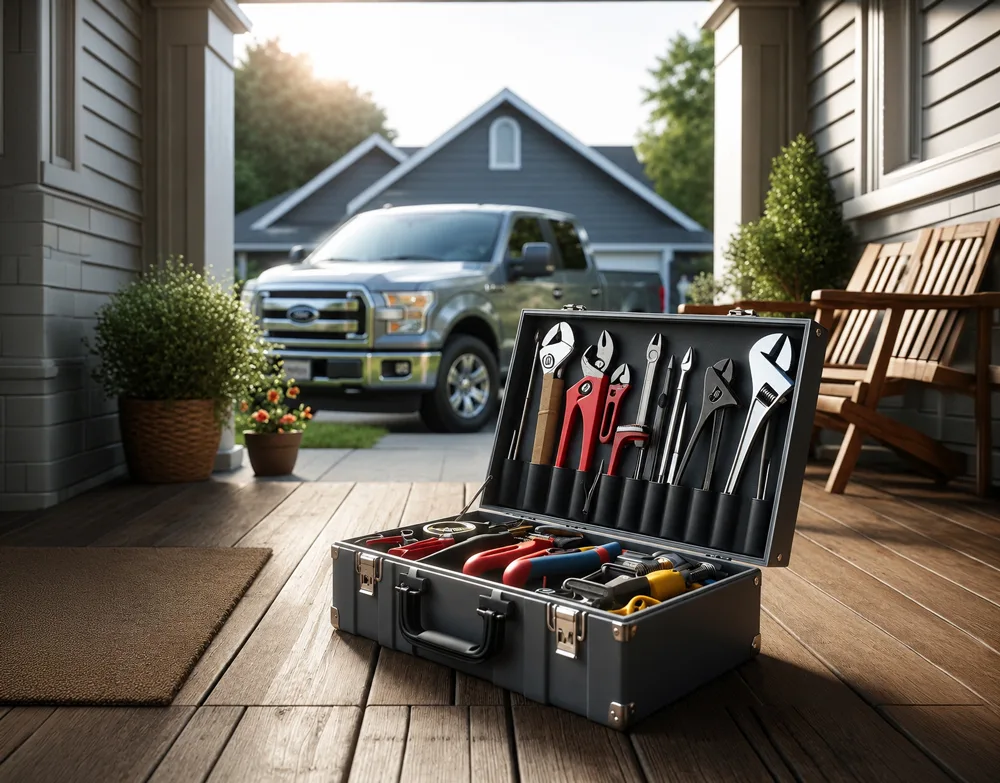
Walk through your house this weekend and locate the main water shutoff, the breaker panel, and the gas shutoff. If you do not know where they are, then find them now, not at midnight in a panic. Store a basic kit with a flashlight, adjustable wrench, gloves, and emergency numbers in one spot.
Preparation does not eliminate emergencies, but it reduces chaos.
Make Your Emergency Repair Guide Work For You
An Emergency Repair Guide is not about being fearless. It is about being ready. If you act quickly, think clearly, and call the right help when needed, you protect not only your home but also your budget and sanity.
If you want fewer surprises this year, schedule a professional inspection or reach out to a trusted local expert for advice. Share your own repair stories in the comments on Joe’s Daily and compare notes with other homeowners who have learned the hard way.