



3 minute read
If you are keen to learn to ride a motorcycle, it’s one of the most potentially exciting things you can possibly do. You will however need to make sure that you are aware of what’s involved as much as possible. Learning to ride a motorcycle has a particular kind of clarity to it. There’s very little between you and the road, which is exactly why it feels so immediate and absorbing. You’re not separated from movement in the way you are in a car; you’re part of it, responding constantly to balance, traction, weather, and the behaviour of everything around you. That combination is what makes riding both compelling and something that benefits from patience rather than impulse.
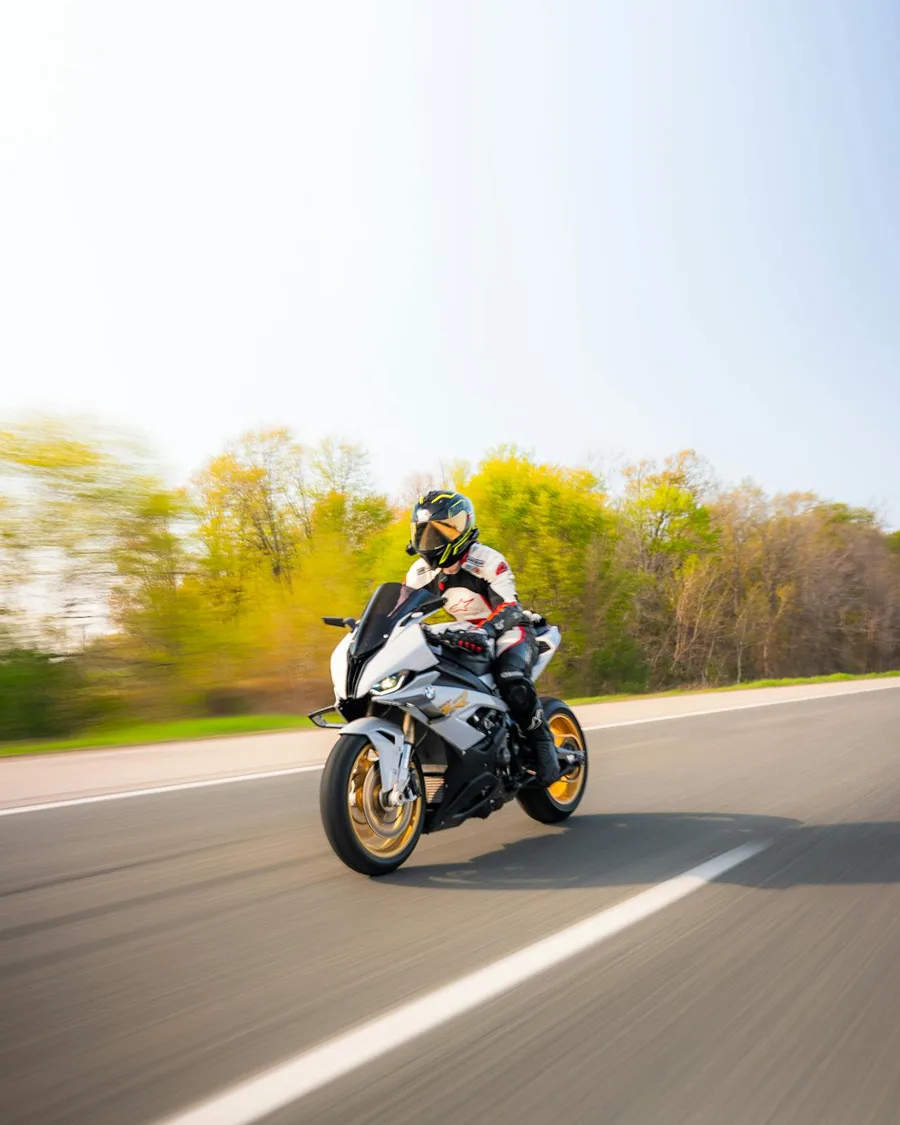
Getting Familiar
The early stages are less about speed or distance and more about familiarity. A lot of new riders underestimate how much of riding is not actually about the motorcycle itself, but about reading the road. You start to notice things you might have ignored before: the way paint markings become slippery in rain, how wind buffets differently between buildings, or how drivers often don’t register a bike in their mirrors even when they think they have. These observations slowly become instinctive, but they don’t arrive all at once. They build through repetition and a willingness to stay within your limits.
Training
Training is where this foundation is set. In the UK, structured instruction through an approved motorcycle training scheme is not just a formality, it’s where most riders develop habits that keep them upright long after they’ve passed their test. There’s a tendency for beginners to focus on simply “passing”, but the real value is in the drills that feel slightly repetitive at the time: slow control, emergency stops, cornering lines, and hazard perception. Those skills don’t just prepare you for the test; they become the reflexes you fall back on when something unexpected happens.
Accidents
Even with all of that in place, accidents can still happen. Motorcycling carries a different level of exposure, and when something does go wrong, the impact tends to be more severe than in enclosed vehicles. If a crash does occur, the immediate priority is always health and safety, but what follows can become surprisingly complex. Injuries, insurance disputes, questions of liability, and loss of earnings can quickly overlap. This is where legal support after a motorcycle crash becomes relevant, not as an abstract idea but as a practical step in managing what comes after.
Gear
Gear plays a bigger psychological role than many expect. A properly fitted helmet, gloves that actually let you feel the controls, and protective clothing that doesn’t restrict movement all contribute to how relaxed you are on the bike. Discomfort becomes distraction, and distraction is one of the easiest ways for small errors to accumulate. Even something as simple as a visor fogging up or boots that don’t quite grip the pegs properly can shift your attention away from where it needs to be. Most experienced riders develop a fairly personal relationship with their kit over time, refining it based on what genuinely works rather than what looks the part.