


5 minute read
My upstairs apartment has one design flaw I can’t fix: heat rises, and it all ends up where I sleep. By late afternoon the bedroom turns into the warmest room in the place, and I’m someone who genuinely cannot fall asleep when I’m hot. I’ve tried cracking windows, rearranging the bed, sleeping with fewer blankets. None of it touched the actual problem, which was that the air up there just sat still and warm all night.
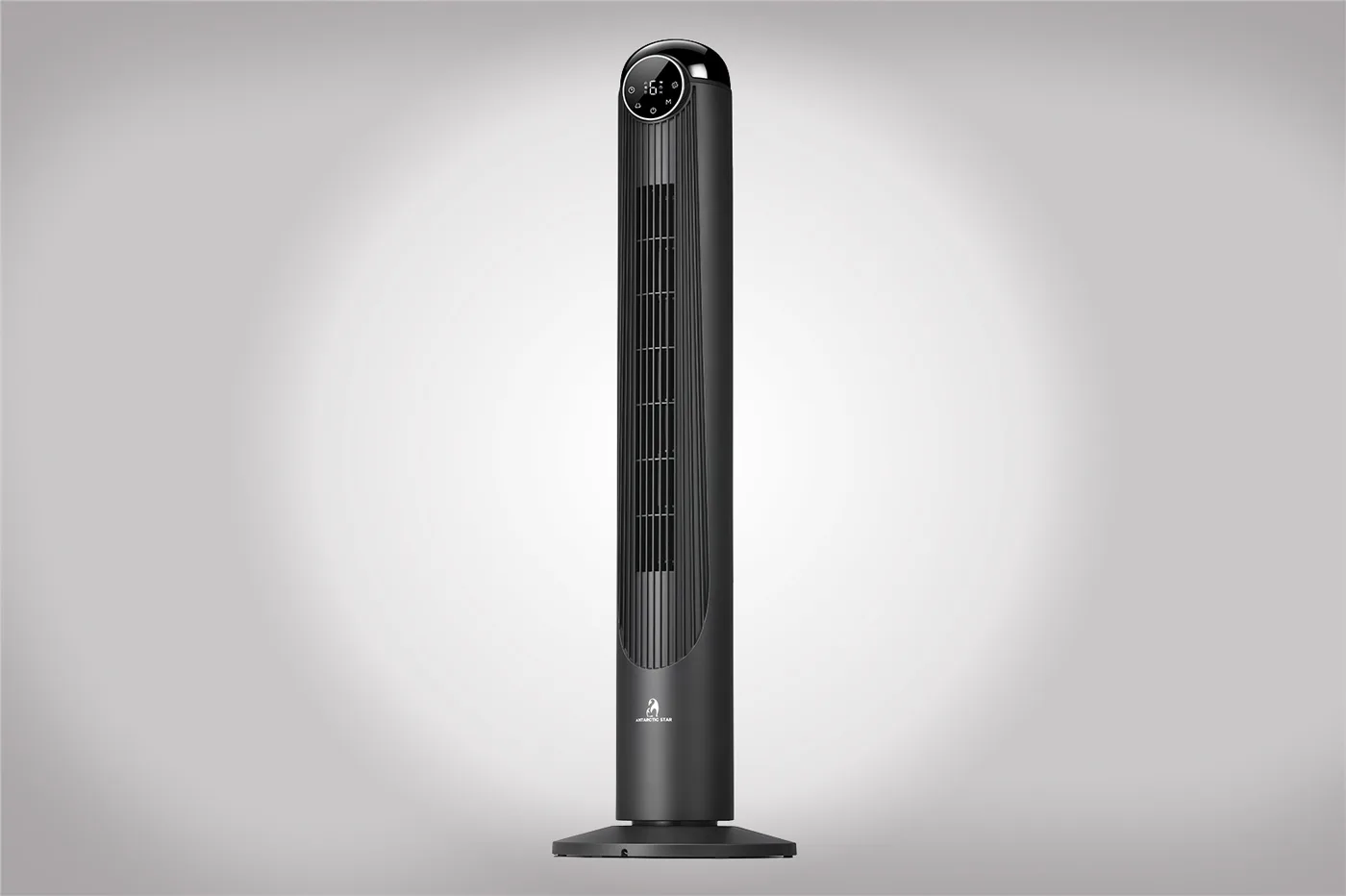
The Antarctic Star T42 is the thing that finally fixed it. I went with the 42-inch model on purpose, and after living with it for a while, I’d make the same call again.
Why I Went Big
Antarctic Star sells this fan in two sizes: a 36-inch version (the T36) at $79.99 and the taller 42-inch T42 at $99.99. They’re essentially the same fan with the same brains and the same feature set. The difference is height, and height matters more than I expected.
The taller tower pushes air across a wider vertical span, which means it actually reaches the bed instead of cooling my shins and calling it a night. In a room where the heat collects up high, that extra reach is the whole point. The 36-inch is the smarter pick for a smaller bedroom or an office where a desk-height breeze is all you need. But for an open upstairs space fighting rising heat, I wanted every inch I could get. Twenty bucks more for noticeably better coverage was an easy yes.
The Feature That Earned Its Keep
The headline spec is a built-in temperature sensor. In Smart mode, the fan reads the room and adjusts its own speed, ramping up when things heat up and easing off when they don’t. I was skeptical, because “smart” gets slapped on everything now and usually means a worse app and a higher price.
Here it actually does something. On the hottest part of the evening it spins up without me touching anything, then settles down on its own once the room cools off later at night. I’m not waking up at 2 a.m. to turn it down because it’s overcorrected into a wind tunnel. For a fan that lives in a bedroom, a unit that manages itself is the difference between a tool I use and a tool I fight with.
There are six speeds and four modes total: Normal, Nature, Sleep, and Smart. Nature mode varies the airflow so it feels less like a machine and more like a breeze coming through a window, and Sleep mode dials everything down for overnight. I mostly leave it in Smart and let it do its job, but Sleep mode is what I reach for on nights that start cool and get warm.
Quiet Enough to Forget It’s On
Antarctic Star rates the T42 as low as 22 decibels on its lowest speed, and I believe it. The DC motor and whatever vibration dampening they’ve built in keep it genuinely quiet. This was non-negotiable for me. A loud fan trades one sleep problem for another, and I’ve owned plenty that hummed and rattled their way through the night.
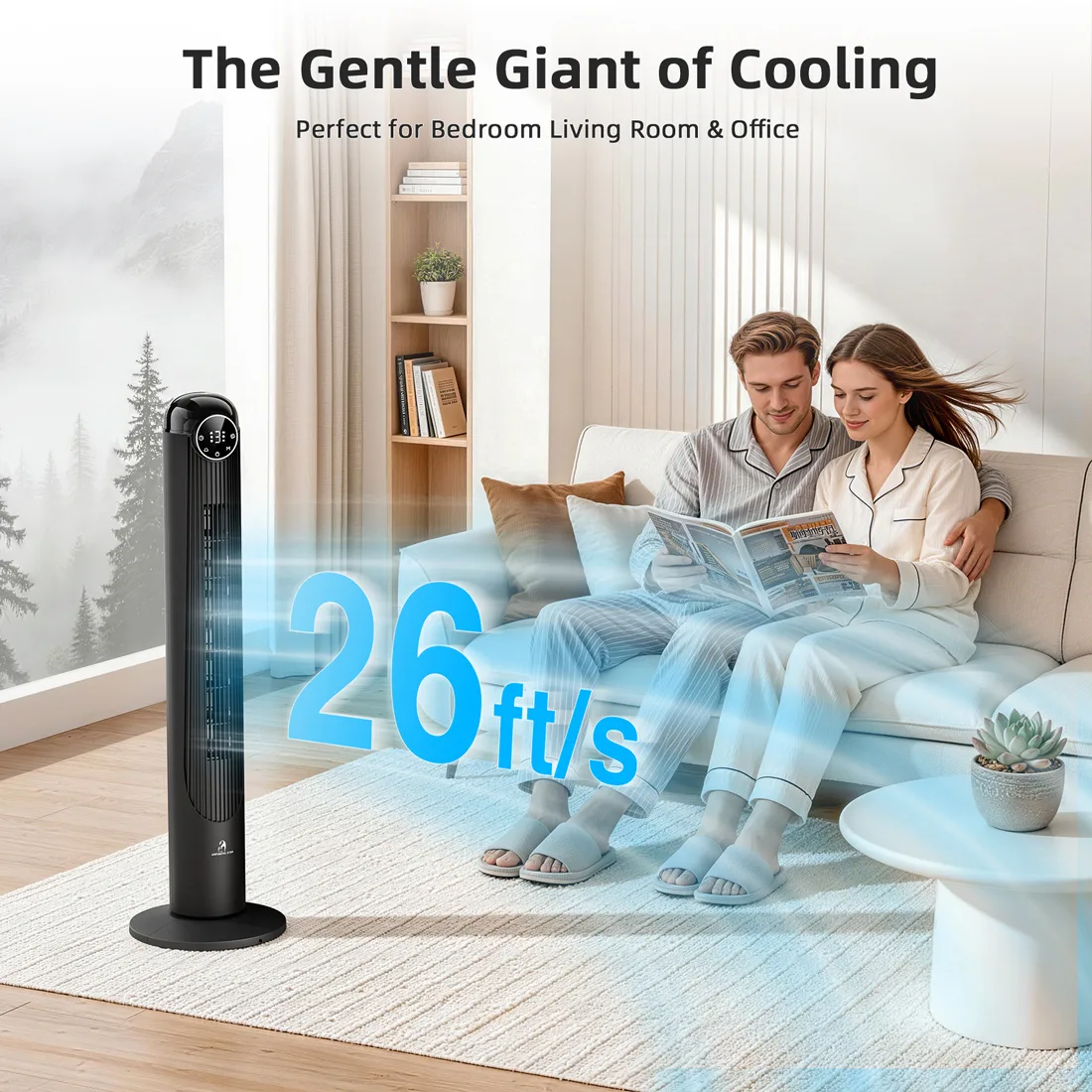
This one doesn’t. On low it’s basically background nothing. Crank it up and you’ll hear air moving, which is the point, but even then it’s a clean rush rather than a clatter. If you’ve got a nursery, a light sleeper in the house, or you just hate motor noise, this is the part of the spec sheet worth caring about.
The Stuff That Adds Up
A few smaller touches have grown on me. The rear grille and the wind wheel pop off for cleaning, which sounds boring until you’ve owned a fan long enough to watch dust cake the intake and start blowing it back into the room. Being able to actually wash the thing matters if you’ve got allergies or pets, and I’d rather not breathe a season’s worth of dust every night.
There’s a 9-hour timer, 90-degree oscillation, a child lock, a remote that stores on the unit so it doesn’t vanish into the couch, and a display that shuts itself off so you’re not staring at a glowing panel while you’re trying to sleep. None of these are reasons to buy a fan on their own. Together they’re the kind of details that separate a fan you tolerate from one you forget you even fussed over.
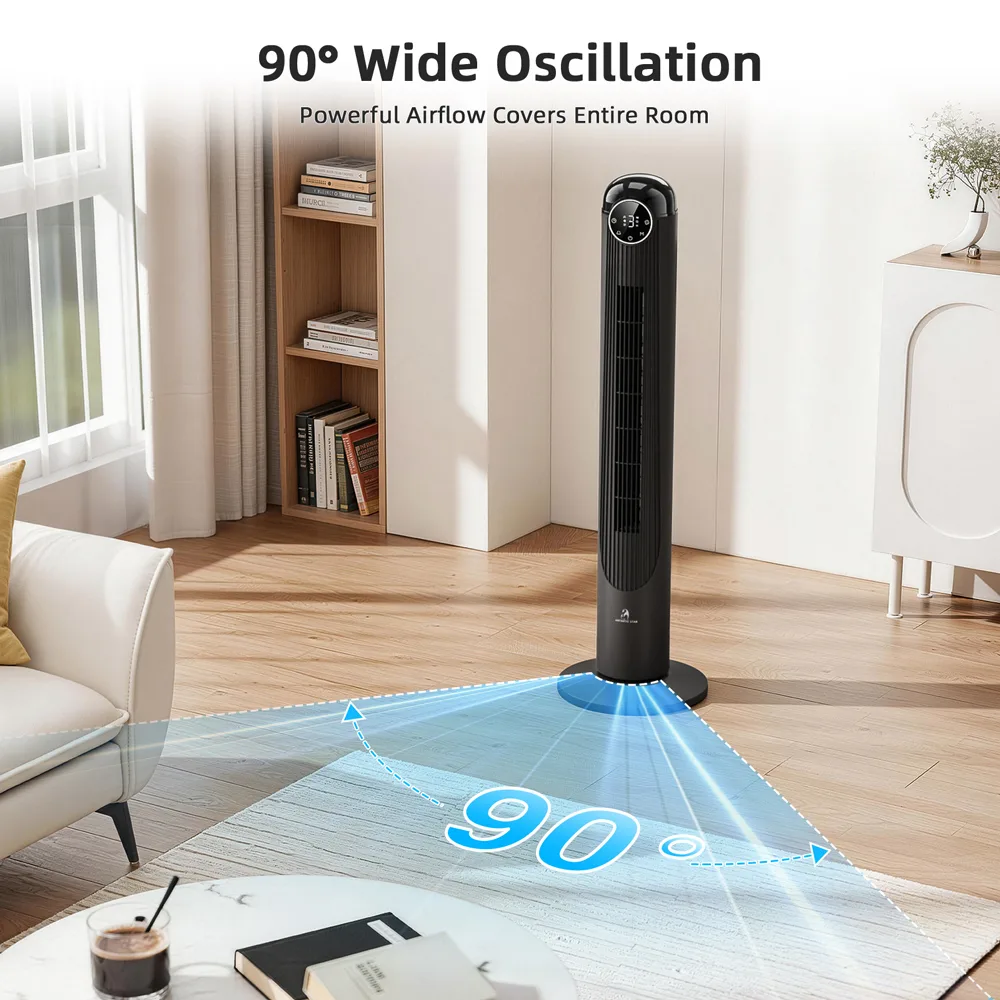
The slim tower design also stays out of the way. It tucks into a corner and takes up almost no floor space, which in an apartment is its own kind of feature.
Who Should Buy Which
If you’re cooling a bedroom in a place where heat pools up high, or you just want maximum reach and coverage, get the 42-inch T42. That’s the one I own and the one I’d recommend for most people who sleep hot the way I do. If your space is smaller or you mainly need a quiet breeze at a desk, the 36-inch T36 saves you twenty dollars and does the same tricks in a shorter package.
Either way, the smart sensor and the quiet motor are the reasons to pay attention to this fan over the dozens of generic towers at the same price. The T42 is the one that finally let me sleep through a warm night without getting up to mess with it, and at $99.99 that’s been worth every cent.