



6 minute read
The issue that raises the most concern for many parents with new babies is the temperature of the milk they are giving their babies. Among the questions is: D Some infants may enjoy warm milk, but others may take milk out of the refrigerator without issues. Being aware that the temperature of milk affects digestion, comfort, and feeding patterns can help parents make confident choices. In this guide, we will discuss whether cold milk causes stomach pains to babies, the recommendations of pediatricians and how to safely feed your baby so that you provide them with an enjoyable feeding experience.
Does Cold Milk Upset a Newborn’s Stomach?
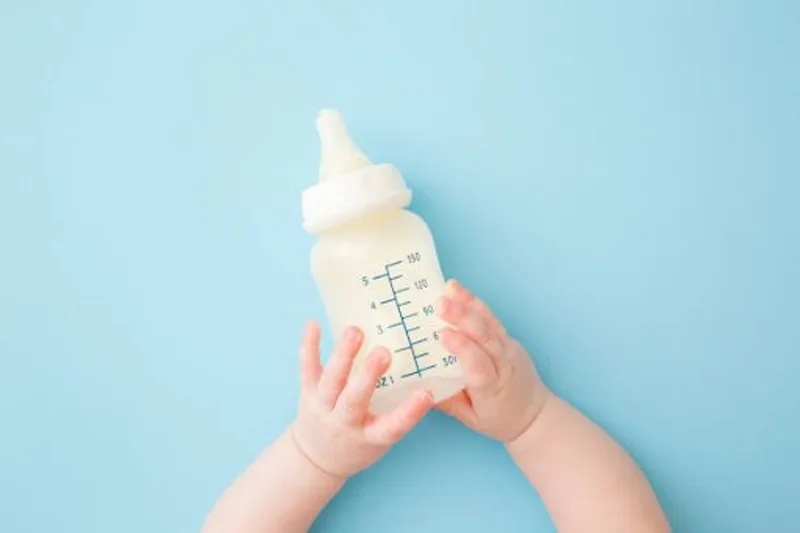
Whether or not the temperature of milk can affect the digesting of the baby is the question that all new parents are worried about. One of these questions is whether cold milk will upset the stomach of a newborn. Although babies are accustomed to warm breast milk, the consumption of milk that is colder than body temperature is not normally associated with stomach issues. The majority of newborns are able to handle milk at room temperature or even directly out of the refrigerator.
Nevertheless, the comfort and feeding patterns may differ with each baby. Other babies are fond of warm and familiar milk, especially in the first weeks of their lives. Due to this, a lot of parents prefer to warm bottles prior to feeding. During feeding, items such as the Momcozy car bottle warmer can assist in ensuring that milk is at a comfortable temperature for babies who like their milk warm. Among them, Superfast Portable Baby Bottle Warmer for Travel is the most highly recommended. The Momcozy Superfast Portable Baby Bottle Warmer for Travel is designed to make feeding time effortless, whether you’re at home or on the go.
The impact of milk temperature on feeding may assist parents with making certain choices that would help their baby feel comfortable and maintain their routine.
Why Milk Temperature Matters for Newborns
Babies associate warm milk with feeding since breast milk is directly discharged into the body at approximately body temperature. Such warmth can be so comfortable to them. In cases where milk is colder than usual, certain babies will take a longer time to drink or exhibit a small amount of discomfort during feeding.
Milk temperature can influence several aspects of feeding, including:
- Comfort during feeding: Newborns can be more comfortable with warm milk.
- Feeding efficiency: Some babies drink more when the milk is warm.
- Digestive comfort: Warm milk would help some babies to relax during feeding.
Cold milk does not harm the digestive system of a baby, as far as medicine is concerned. Pediatricians are likely to agree that milk at different temperatures can be consumed by infants, provided it is stored well and handled safely.
Signs a Baby May React to Cold Milk
Even though cold milk is not harmful to most babies, some newborns exhibit symptoms that demonstrate that they like their milk to be warm. Such reactions are usually linked with comfort and not a real digestive issue.
Possible signs include:
- Rejecting the bottle or withdrawing during feeding.
- Drinking more slowly than usual
- Fussiness during or after feeding.
- Mild gassiness
- Taking frequent breaks while drinking.
These solutions do not imply that the milk is causing stomach pains. They may merely indicate in this case that the baby would prefer milk that is closer to body temperature. Infants are human beings, and their taste may change as they grow.
Benefits of Feeding Warm Milk to Babies
This is the reason why many parents resort to warm milk, as it is close to the temperature of breast milk. This is able to make feeding familiar and comfortable to the newborns.
Some benefits of warm milk include:
More comfortable feeding experience
Warm milk can make babies calm down, and relaxation can be achieved during a feeding session.
Easier transition from breastfeeding to bottle-feeding
Breastfed babies can take up warm milk more easily.
Faster feeding sessions
Babies drink better when milk is warm.
Reduced feeding resistance
Babies who do not want to drink cold milk may accept warmed milk.
These advantages can contribute to the fact that the process of feeding can become more enjoyable, but there are cases when there is no need to warm up milk every time, as the baby can drink it when it is colder.
Safe Ways to Warm Milk for Newborns
In cases when you need to warm the milk of your baby, you should apply safe practices in order to make sure that you do not harm the nutrients of the milk, and in order to make sure that your baby is safe.
Here are recommended ways to warm milk:
Use warm water
Take the bottle and place it in a bowl with some warm water and leave it for a few minutes till the desired temperature is reached.
Use a bottle warmer
Bottle warmers will be used to warm milk in a slow and even manner.
Swirl the bottle gently.
Swirl, not shake, the bottle after heating. This assists in the distribution of heat without excessive air bubbles.
Test the temperature before feeding.
Apply some drops on the inside of your wrist. The milk must be lukewarm, not hot.
Do not heat milk in the microwave. Microwaves cause uneven heating patterns that can cause hot spots that can burn the mouth of a baby.
When Cold Milk May Be Acceptable for Babies
In most cases, it is all right to feed cold milk to babies. Other babies learn fast and do not notice the temperature of the milk.
Cold milk may be acceptable when:
- Your baby drinks it comfortably
- The milk is properly stored in the refrigerator.
- You need a quick feeding option when traveling or for nighttime feeds.
- Your baby is already accustomed to varying temperatures of milk.
Giving cold milk may be an option that simplifies feeding procedures for parents, particularly when schedules are hectic. There is no need to heat it when your baby is digesting it without crying or stomach upsets.
Conclusion
Cold milk will not usually cause any disturbance to the stomach of a newborn baby, and the majority of babies can consume cool milk or even at room temperature. Nevertheless, other people will desire milk closer to body temperature because the babies are used to the coziness of breast milk.
The best way would be to observe the reactions of your baby throughout the feeding. You should not worry when your newborn baby takes cold milk without any problem. When they appear to be fussier or easier to feed on the warm milk, it could be beneficial to adjust the temperature to make feeding more enjoyable. By being able to observe the cues of your baby and apply safe feeding methods, you may make sure that each feeding will help your little one to be comfortable, satisfied, and well-nourished.