



4 minute read
The way we settle car accident claims in this $386 billion market is changing because vehicles are now driving computers that record our every move. For decades, proving fault depended on conflicting driver statements and police reports scribbled down hours after the impact. Today, data extraction tools and video files dictate the entire conversation, mapping out every split second of a collision before the vehicles are even towed away.
There are many connected cars on the roads today, each one of which can transmit telemetry directly to cloud databases during an accident. Onboard diagnostic networks capture the precise steering angle, brake pedal pressure, and throttle position right before impact. This leaves virtually no room for at-fault drivers to lie about their speed or claim they braked when they did not.
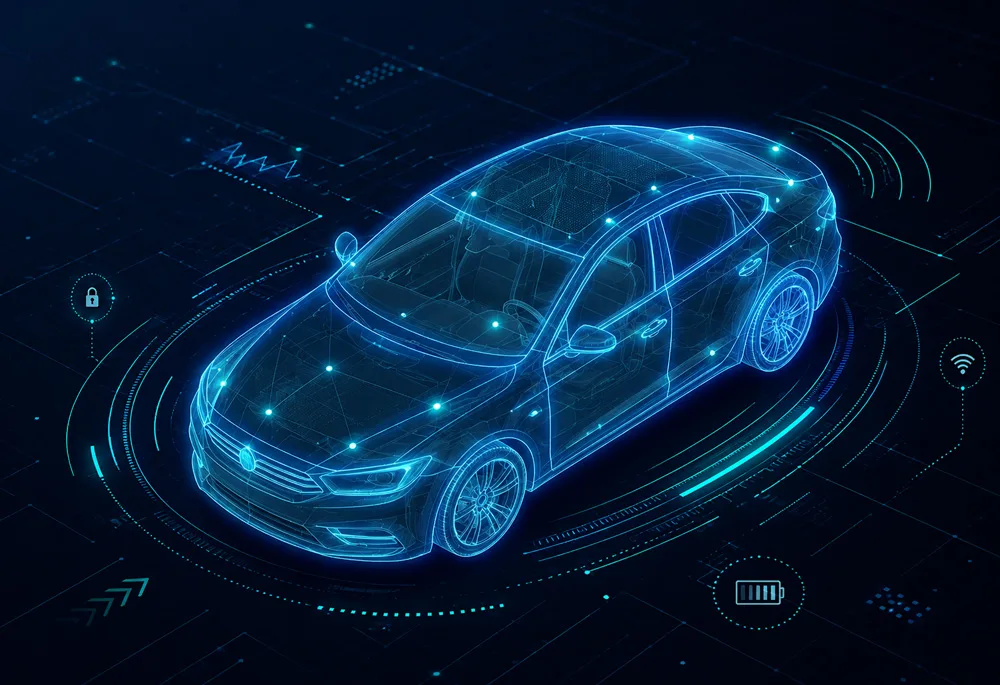
Black Box Telemetry and the Fight Against Algorithmic Adjusters
This shift from human testimony to hard data completely transforms how legal teams build personal injury cases. Insurance companies routinely use automated systems to scan repair estimates and cross-reference damage with regional averages.
The legal fallout requires local expertise. If you find yourself dealing with adjusters who use these automated tactics to minimize your injuries after a crash in Arizona, partnering with a veteran Phoenix car accident lawyer ensures that local courtroom realities and real human suffering are not reduced to a line item in a software algorithm, for instance. The right attorney can deliver the best outcome.
In turn, arguably the biggest game changer in modern crash investigations is the widespread adoption of high-definition dashcams. Video evidence removes all ambiguity from intersection accidents, showing exactly who had the green light or who changed lanes without signaling.
According to fleet management studies, deploying advanced dual-facing AI safety camera systems helps prevent 73% of fleet accidents by actively detecting tailgating and distracted driving. When a crash does occur, that continuous recording provides an impartial record that legal teams rely on to dismantle exaggerated defenses.
How Machine Learning Restructures Fault Determination
Car insurance giants are capitalizing on this tech wave by training machine learning models to assess vehicle damage through smartphone photos. These advanced vision models analyze impact patterns and verify image metadata to instantly flag fraud.
Navigating this hyper-digital landscape requires knowing how insurers process information behind closed doors. Adjusters frequently use sensor data to argue that a low-speed impact could not possibly cause serious physical injury. If you’ve put the time and effort into choosing your dream car, knowing these repercussions post-accident is important.
Modern claims adjusters rely heavily on specific digital tools to process claims, including:
- Automated vision models that instantly calculate repair estimates from uploaded collision photos
- Telematics black box data that registers the exact deceleration forces during an impact
- Digital accident scene twins reconstructed from traffic cameras and GPS records
While these tools streamline the initial reporting phase, they also help insurers spot inconsistencies in a claimant’s story. If your vehicle records a minor impact but your medical bills indicate severe spinal trauma, the insurer will flag the claim for fraud. Having a legal advocate who knows how to counter these automated conclusions with expert medical testimony is vital to protecting your recovery.
The High Cost of Recalibrating Advanced Safety Sensors
Advanced driver-assistance systems (ADAS) have also turned simple fender benders into incredibly expensive repair jobs. A slight bump to a modern front bumper often destroys delicate radar modules, parking sensors, and camera lenses hidden behind the plastic.
ADAS requires complex recalibrations, driving up the baseline cost of modern collision repairs. This means even a minor parking lot mishap can quickly exceed standard policy limits, forcing injured parties to fight for higher settlements just to cover basic mechanical work.
The tech revolution means claims are decided much faster, but it also creates new hurdles for everyday drivers. Insurers are faster than ever at finding reasons to deny a claim based on algorithmic data trends. Our site covers many other important topics across automotive, tech, entertainment, lifestyle, and more, so check out our other posts.