



6 minute read
A small problem is rarely expensive when it is first discovered. A loose shingle, a dripping faucet, or a tiny crack near a window may require little attention at the beginning. The challenge is that these issues tend to grow quietly. By the time they become impossible to ignore, the repair bill is often much larger than anyone expected.
Many homeowners focus on fixing things when they break. That approach feels logical because it avoids spending money immediately. However, homes are complex systems where one neglected issue can affect several other areas. Water can travel. Moisture can spread. Wear can accelerate. What appears minor today may become a costly project tomorrow.
This reality is especially important in places like Cherry Hill, NJ, where homes are exposed to changing weather conditions throughout the year. Rain, wind, and seasonal temperature shifts place constant demands on roofs, siding, foundations, and other structural components. Preventive maintenance helps identify weaknesses before they turn into significant problems, making it one of the most effective ways to protect both a property and a budget.
Small Fixes Beat Big Surprises
Most major home repairs begin as minor issues. The warning signs are often present long before serious damage occurs. The problem is that they can be easy to dismiss.
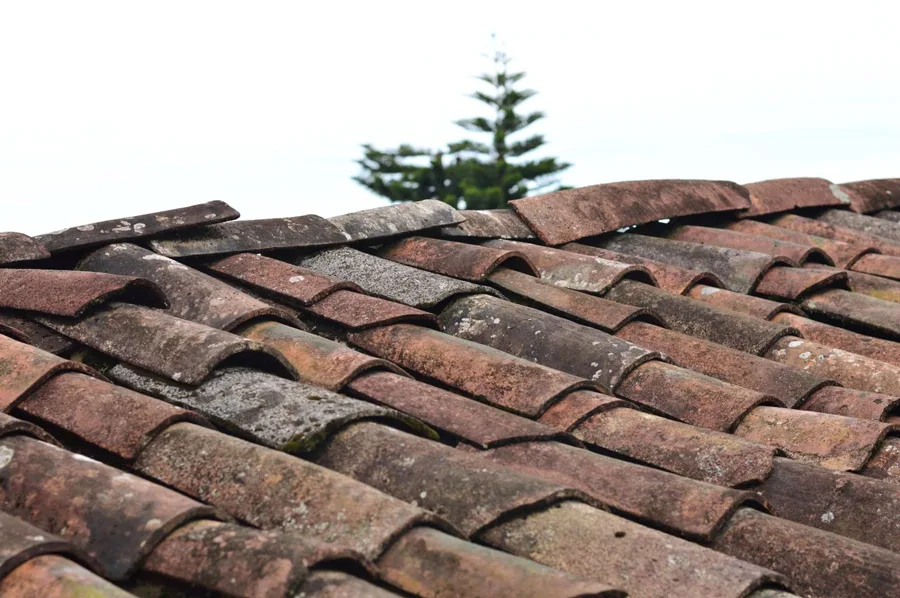
A roof provides a good example. Missing shingles may not seem urgent when no leak is visible. However, moisture may already be reaching underlying materials. As exposure continues, the damage can spread beneath the surface.
This is why homeowners who prioritize regular inspections are often better positioned to avoid costly emergencies. But what happens when roofing concerns become more significant? In those situations, working with a reliable company that offers roof replacement in Cherry Hill can help address problems before they escalate into more extensive structural damage.
The same principle applies throughout the home. A small plumbing leak may eventually damage flooring. Cracked exterior caulking may allow moisture to enter wall cavities. Loose gutters may direct water toward the foundation instead of away from it.
For example, a homeowner who notices a minor ceiling stain and addresses the source immediately may avoid extensive drywall and insulation repairs. Another homeowner who ignores the same issue could face a much larger project months later.
Would it be better to repair a small problem today or rebuild part of a damaged structure later? The answer is usually obvious when costs are compared.
Your Home Works Better When Everything Is Maintained
Preventive maintenance is often discussed in terms of avoiding repairs, but it also helps a home perform more efficiently.
Heating and cooling systems provide a clear example. When filters are changed regularly and equipment is inspected, systems tend to operate more effectively. Energy consumption may be reduced because the equipment does not need to work as hard.
The same idea applies to windows, doors, insulation, and roofing materials. When these components remain in good condition, indoor temperatures are regulated more effectively. Drafts are minimized, and comfort levels are improved.
Exterior maintenance contributes as well. Clean gutters help manage water flow. Properly sealed windows help reduce energy loss. Well-maintained roofing materials help protect insulation from moisture intrusion.
Many homeowners focus only on visible repairs, but performance matters too. A house that operates efficiently often costs less to maintain overall. Small investments in upkeep can support long-term savings in multiple areas of homeownership.
How much money might be spent each year because a system is working harder than necessary? That question is worth considering.
The Habits That Deliver The Biggest Savings
Preventive maintenance does not require complicated routines. In many cases, simple habits provide the greatest benefits.
Some valuable maintenance tasks include:
- Inspecting roofing materials after severe weather
- Cleaning gutters and downspouts regularly
- Checking for cracks around windows and doors
- Replacing HVAC filters as recommended
- Monitoring plumbing fixtures for leaks
- Looking for signs of moisture in basements or attics
These tasks may seem small, but their impact can be substantial. Problems are often identified before they become expensive. Repairs are usually simpler when damage is limited.
For example, cleaning gutters may take very little time, but it can help prevent water from overflowing onto siding, foundations, and landscaping. Similarly, replacing a worn seal around a window may help avoid moisture intrusion that could affect surrounding materials.
Preventive maintenance works because it focuses on timing. Issues are addressed while they remain manageable rather than waiting until emergency repairs become necessary.
Prevention Protects More Than Just Your Budget
Financial savings are important, but preventive maintenance provides additional benefits that are sometimes overlooked.
A well-maintained home often feels more comfortable and dependable. Systems function as intended. Unexpected disruptions are reduced. Homeowners spend less time reacting to emergencies and more time enjoying their living spaces.
Maintenance also helps preserve property value. Buyers frequently notice signs of neglect, even when major damage is not immediately visible. A home that has been cared for consistently often creates a stronger impression than one that has received attention only when problems appear.
Preventive care also supports future improvement projects. Many homeowners invest in upgrades that make homes more beautiful and comfortable, but those investments provide greater value when the underlying structure remains protected. Fresh paint, updated flooring, or renovated living spaces are more enjoyable when concerns about leaks or hidden damage are not lingering in the background.
There is also a practical benefit that cannot be measured easily. Peace of mind is often gained when homeowners know that important systems are being monitored regularly.
A Little Attention Today Prevents Bigger Costs Tomorrow
Homes are constantly exposed to forces that contribute to wear. Weather, moisture, temperature changes, and everyday use all play a role. While these factors cannot be avoided, their impact can often be reduced through consistent maintenance.
The most expensive repairs are frequently the ones that could have been prevented. Small warning signs are often available long before major failures occur. A leak begins as a drip. Structural damage begins as a small weakness. Energy loss often starts with a tiny gap.
Preventive maintenance changes the timing of repairs. Instead of responding to emergencies, homeowners can make decisions based on planning and preparation. Costs become more manageable. Disruptions become less frequent. Property value is better protected.
A home does not stay in good condition by accident. It remains strong because small issues are addressed before they become large ones. When viewed from that perspective, preventive maintenance is not an expense. It is one of the smartest investments a homeowner can make.