



3 minute read
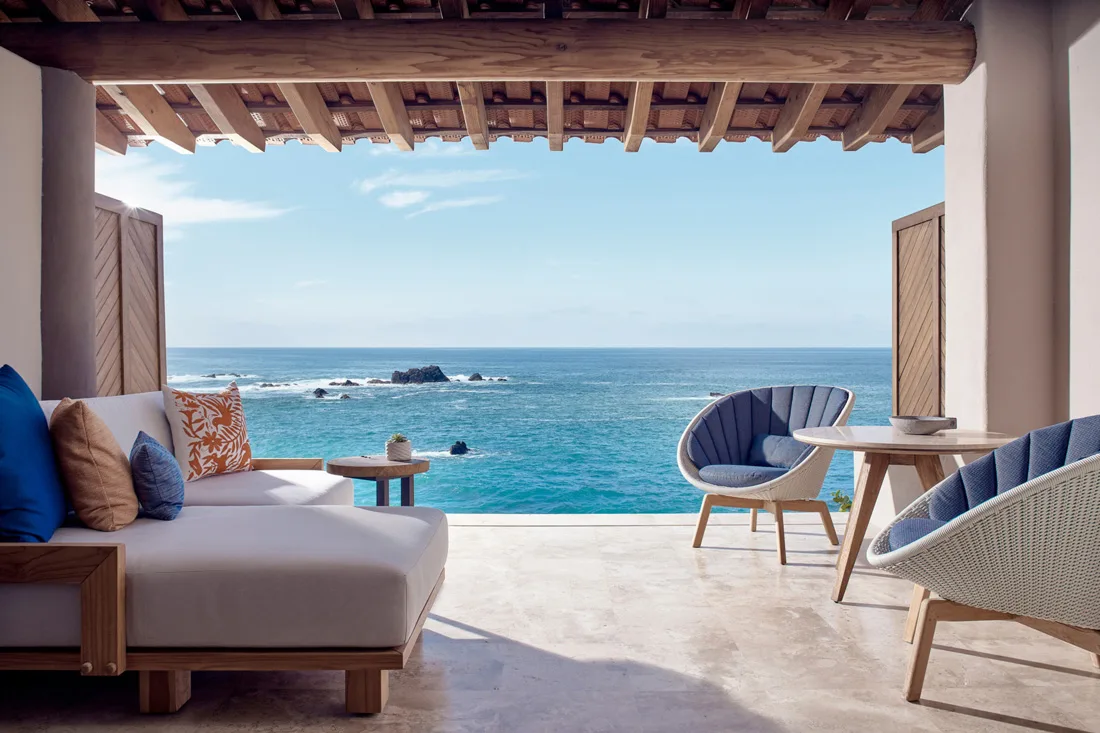
Nayarit shows up in my feeds for exactly two reasons: Punta Mita resort shots and Sayulita surf photos. The state’s tourism office is clearly tired of that, because its latest push barely mentions the coast at all. Instead, Nayarit is promoting community-led cultural tourism, the kind where you spend the day with local artisans, farmers, and Indigenous communities instead of watching a folklore show from a pool chair.
I haven’t been to Nayarit yet, so I’m not going to pretend I have. But I’ve watched enough destinations run this playbook to know when one has the goods to back it up, and Nayarit actually does.
The Wixárika Angle Is the Real Draw
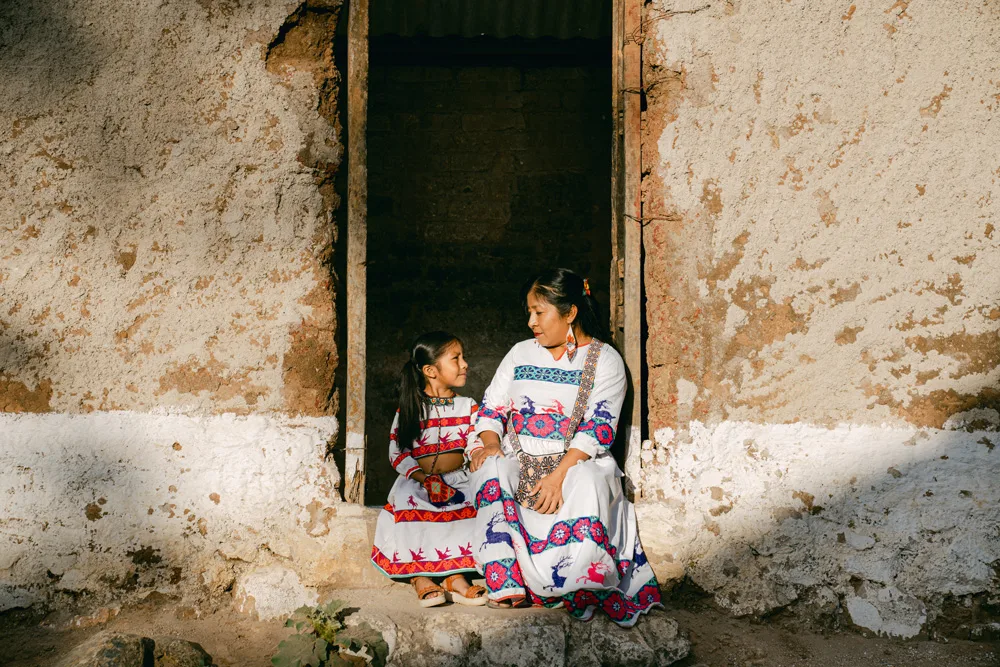
The state is home to four Indigenous peoples: the Wixárika (you may know them as Huichol), Cora, Mexicanero, and Tepehuano. The Wixárika are the ones most travelers will recognize even if they don’t know the name. Their beadwork and yarn paintings, those impossibly detailed pieces built from thousands of tiny beads pressed into wax, have become one of the most recognizable Indigenous art forms in Mexico. You’ll find imitations in gift shops all over the country. The version Nayarit is selling puts you in a workshop with the actual artisans, where a single serious piece can take weeks and every pattern carries meaning tied to Wixárika spiritual tradition.
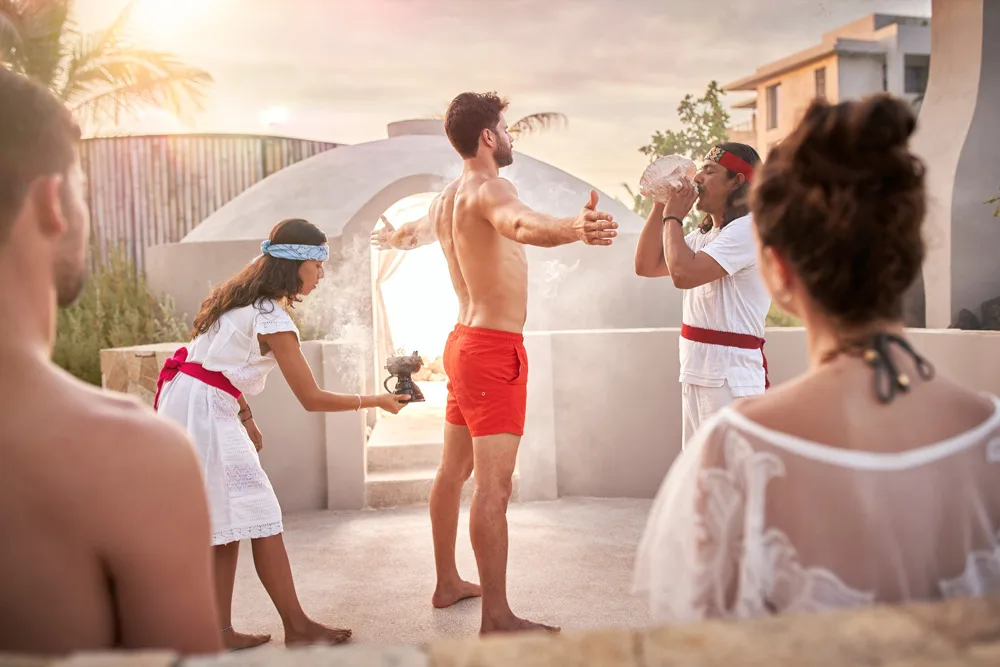
That distinction matters. Buying beadwork from the person who made it is a completely different transaction than grabbing a keychain at the airport, and it’s the difference between tourism money reaching a community or evaporating somewhere along the supply chain.
Nine Pueblos Mágicos and a Possible Aztec Origin Story
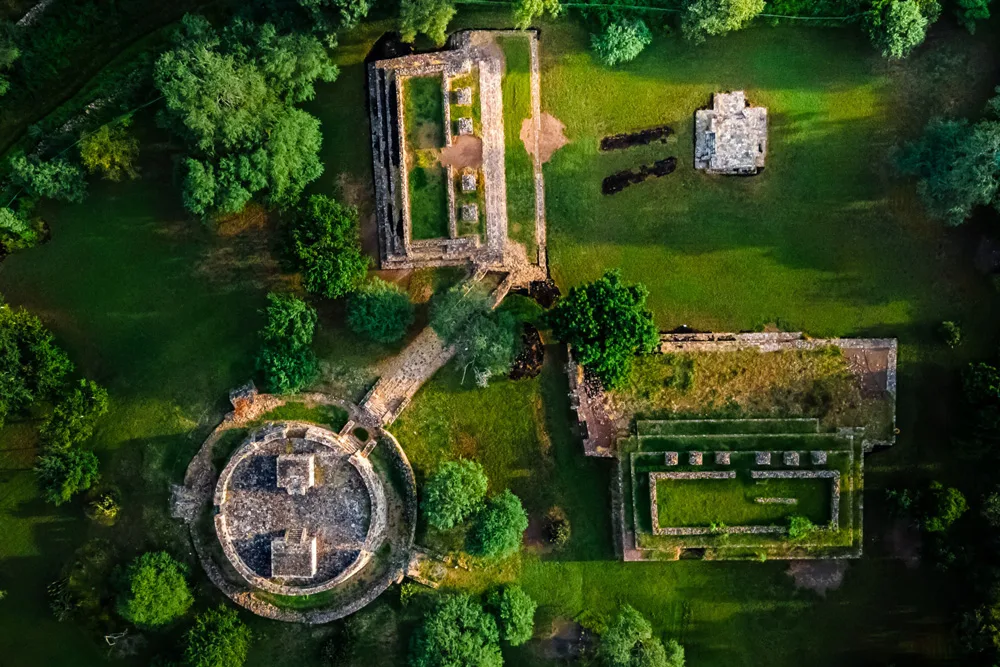
Nayarit has nine Pueblos Mágicos, Mexico’s designation for small towns with real cultural weight. Sayulita is the famous one. The more interesting ones sit inland and up the coast. Mexcaltitán is a tiny island village laid out in concentric rings, reachable only by boat, and long rumored to be Aztlán, the legendary homeland the Aztecs left before founding Tenochtitlán. San Blas is a faded colonial port with mangrove boat tours through La Tovara. Jala sits at the base of the Ceboruco volcano in coffee-growing country in the Sierra del Nayar.
The state is also leaning into Día de Muertos, with select communities hosting visitors during the celebration. Done right, that’s one of the most powerful cultural experiences in Mexico. It’s also deeply personal for the families involved, so the community-led framing here is doing real work. Whether the execution matches the press release is exactly the kind of thing I’d want to verify in person.
Getting There Is Easier Than It Sounds
Here’s the practical part the campaign glosses over: you fly into Puerto Vallarta, which technically sits in Jalisco, and you’re across the state line into Nayarit within minutes heading north. The resort corridor everyone knows is the front door. Everything described above is what happens when you keep driving.
Nayarit just moved up my list. If the tourism board wants to prove the community-led pitch holds up beyond the press release, I’d happily go find out.