


6 minute read
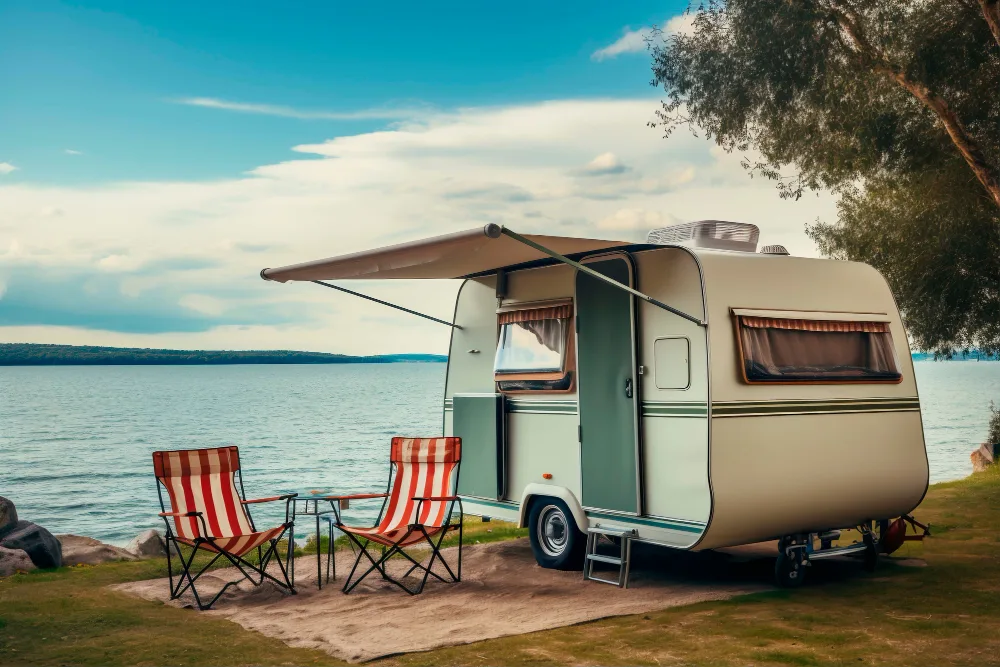
A damaged caravan awning can easily transform your trip plans into an unnecessarily costly and frustrating one.
This damage isn’t an overnight cause. It develops gradually over time and goes unnoticed till the day a complete set of replacements is required. You might be disappointed to find the awing fabric torn apart by strong winds or stained with mildew due to trapped moisture or even worn out by being exposed to the sun.
Fortunately, most weather-related awning damage can be prevented with the right approach. By understanding the common causes of deterioration and taking a few proactive steps, you can significantly extend the lifespan of your awning.
In this guide, you’ll discover practical strategies to protect your awning from wind, rain, and UV exposure while reducing maintenance costs and avoiding unnecessary repairs.
How To Protect Your Caravan Awning From Wind
If you own a caravan awning, wind should be one of your biggest concerns because rain and sunlight might damage it gradually, but strong winds show their effect within minutes. That is why the following precautions are applied before the situation can worsen.
1. Retract the Awning During Strong Winds
The safest and most effective way to protect your awning is to retract it whenever strong winds are forecast, but many caravan owners choose to wait, only to be caught off guard later in the day.
The weather doesn’t announce itself; rather, it surprises, especially in hilly areas or open campsites. Therefore, to prevent structural breakdown, retracting your awning is the best option.
2. Use Tie-Down Systems
Tie-down straps and anchoring kits are used to enhance stability under moderate to light winds. These systems assist in reducing movement, decreasing flapping of fabrics, and evenly distributing the pressure throughout the building.
Nevertheless, tie-downs are to be considered as an additional security measure and not a replacement.
3. Check Forecasts Every Day
Before extending your awning, stay updated with local weather forecasts to avoid any trouble. This can potentially protect you from unexpected repair costs.
4. Examination of Support Components
Last but not least, wind affects your awning only when it catches unknown weak points. Hence, a regular inspection of mounting points, support arms, bolts, and brackets can determine issues early and minimize the chance of getting in trouble in harsh weather conditions.
How to Protect Your Caravan Awning from Rain
Even though awnings are designed to tolerate rain, moisture issues occur if water stays trapped for a longer duration.
1. Maintain Proper Tension
A properly tensioned awning allows rainwater to run off efficiently. On the other hand, a loose fabric forms depressions where the water may pool, which adds more weight to both the cloth and the structure holding the weight.
This repeated pooling of water, over time, may cause stretching of material and structural components.
2. Keep The Awning Clean and Dry
Keeping your awning clean and dry after use can help prevent moisture-related damage because inside a folded fabric, moisture can make space for mold and mildew to grow.
Similarly, pollen, dust, leaves, or other debris can hold moisture in the fabric, which is why proper cleaning without harsh chemicals is necessary to protect waterproof coatings on these fabrics.
3. Inspect Seams Regularly
Lastly, examine seams, stitching, and connections of fabrics that may be worn out, as water can find its way through compromised seams before it leaks out.
Addressing minor issues early can help prevent more extensive damage and costly repairs later.
How to Protect Your Caravan Awning from UV Damage
As compared to wind and rain damage, UV-related deterioration is gradual. Prolonged exposure to sunlight can significantly reduce the lifespan of awning materials.
Fortunately, a few preventative measures can help minimize the effects of long-term sun exposure.
1. Use UV Protection and Limit Direct Sunlight
Most manufacturers prescribe UV-protective items that are specifically produced to be used on outdoor materials. These treatments ensure flexibility, color preservation, and mitigate the impact of extended exposure to the sun. Hence, it is important to choose and use protective products according to the manufacturer’s instructions.
According to research at Monash University, UV rays can minimize the durability of fabric outdoors. Hence, apart from the application of protective treatments, it is also suggested to minimize exposure to direct sunlight to slow down the deterioration process.
Whenever possible, position your caravan beneath trees or in shaded areas. Although this is not often completely possible, the strategic choice of campsites can contribute significantly to this in the long run.
2. Inspect Regularly and Retract When Not in Use
Despite the appropriate protective measures, it is still necessary to conduct regular inspections of the following, as it allows you to detect the symptoms of UV damage before they worsen:
- Fading
- Cracking
- Brittle fabric
- Seam deterioration
- Surface discoloration
Similarly, do not leave your awning out when not in use. Unnecessary exposure to sunlight accelerates wear, whereas retracting the awning can help preserve its condition and extend its lifespan.
3. Create A Simple Maintenance Routine
Regular maintenance is the best method of preserving your awning and is more effective than repairing the damage that has already taken place, which is also expensive to repair.
Before each trip:
- Check weather
- Inspect arms and brackets
- Check fabric and seams
- Remove debris
After each trip:
- Clean as needed
- Dry completely
- Check for damage
- Store properly
In addition to these regular checkups, have a more thorough examination every few months. Investigate mounting devices, test moving parts, and check the state of protective coats. This is a proactive measure that can be used to detect issues before they end up costing a lot to fix.
Conclusion
Wind, rain, and UV exposure are unavoidable parts of caravanning, but costly awning repairs don’t have to be if proper preventative measures are taken. It’s always good to look for a generator for sale, too.
Most of the problems are progressive and can be prevented by frequent checks, correct storage, and good care. By addressing minor signs of wear early, you can extend your awning lifespan and reduce unnecessary expenses.
Eventually, a little preventative step today can save years of investment to come.