



3 minute read
Some hats remain a neutral backdrop to an outfit, while others become its main accent. And the designer bucket hat falls into the latter category — a shape once associated solely with functionality but today balancing minimalism and playfulness. It doesn’t require a complex surrounding image. On the contrary, its simplicity makes the style complete and confident.
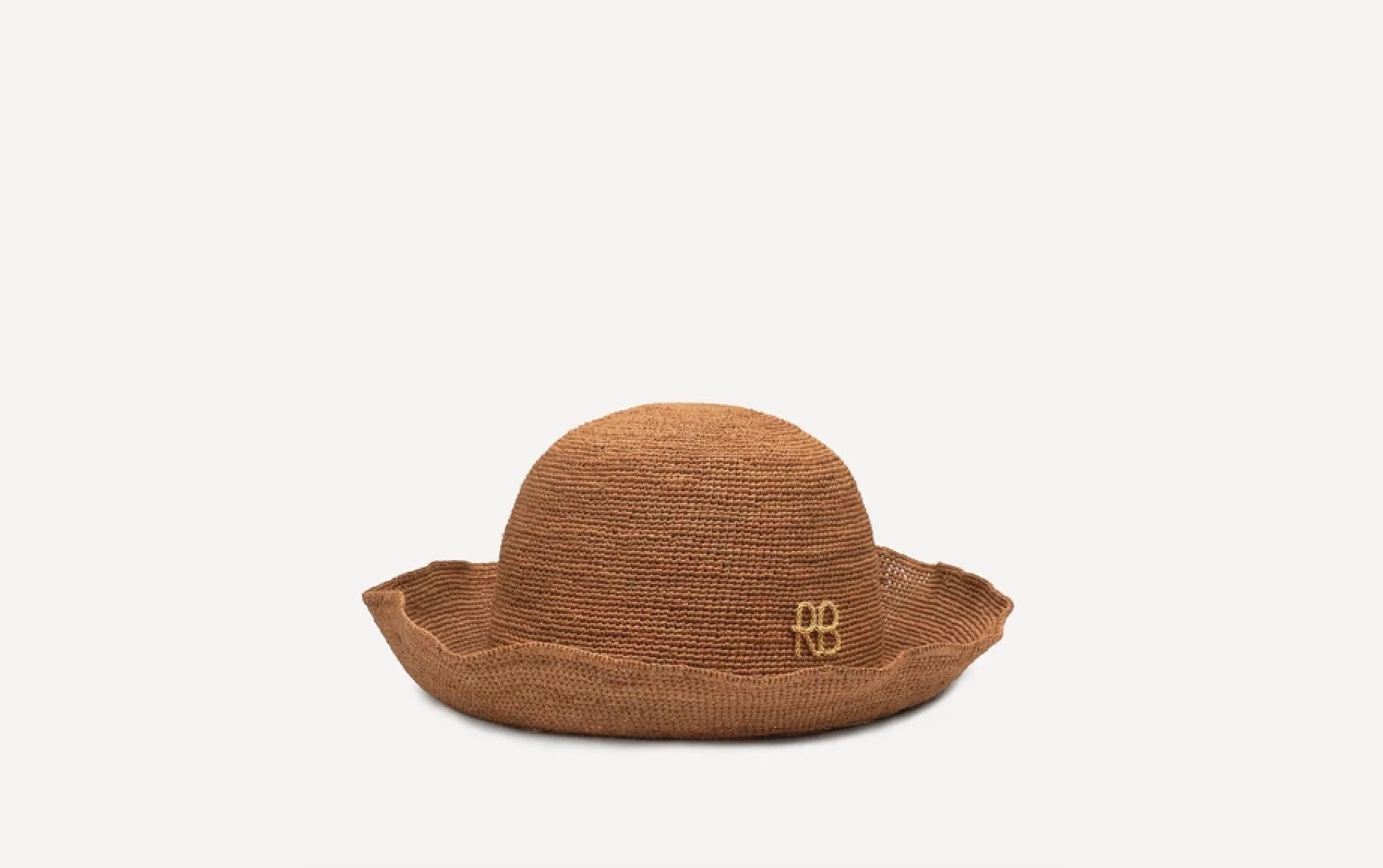
A Shape That Eliminates Excess
Designers created the bucket hat for comfort, not aesthetics. Therein lies its main paradox. The simpler the cut, the more room it leaves for interpretation — the material, color, and fit become a complete statement without a single superfluous element.
That’s why this shape reveals its character through thoughtful refinement rather than added complexity. It doesn’t add details for effect but removes all unnecessary ones, leaving only the essence of the look.
The material defines the character of the piece more than the silhouette. Thick leather exudes restraint and confidence; lightweight cotton adds a casual feel, and textured fabrics transform a bucket hat into a focal point of the entire look.
This balance is the foundation of Ruslan Baginskiy’s approach — the brand works with form so that minimalism doesn’t feel empty and playfulness never feels excessive. Every detail is so thoughtfully considered that it requires no explanation.
How a Bucket Hat Changes the Perception of an Image
The same hat can completely change the mood of an outfit — that’s its main strength. With a business coat, a bucket hat adds unexpected lightness; with a relaxed casual look, it conversely brings structure and completeness.
Several principles help unlock this potential and prevent the accessory from becoming a random detail:
- pair with clean silhouettes;
- consciously choose contrasting textures;
- don’t overload the look with accessories;
- play with the proportions of the brim;
- use a neutral palette as a base;
- add one bright accent at most.
These principles don’t act as strict rules but rather as a starting point for personal interpretation. This is why the bucket hat remains a favorite tool for stylists who value control over details and can work with shape deliberately.
Cultural Context Instead of a Trend
The bucket hat came into fashion not through the catwalk, but through the streets, music, and movement. This energy is still palpable. That’s why the designer hat reads not as a repeat of a trend but as a dialogue with the culture from which the shape originally emerged.
Brands that understand this context don’t try to “gloss it over” to look luxurious. They preserve its character, adding craftsmanship and attention to detail.
This distinguishes the bucket hat from items created solely for seasonal hype. It doesn’t need loud statements, because its meaning is already entrenched in cultural memory long before the catwalk. The right material and precise fit are enough to let the shape speak for itself — without further explanation or unnecessary context.
Conclusion
The designer bucket hat shows that minimalism and playfulness are not mutually exclusive but complement each other if balanced well. The form is simple, the meaning is profound, a garment that speaks the language of those who know the difference between trend and style.
This is why the bucket hat keeps coming back to wardrobes season after season, sounding a little different each time, revealing itself in a new context.