



5 minute read
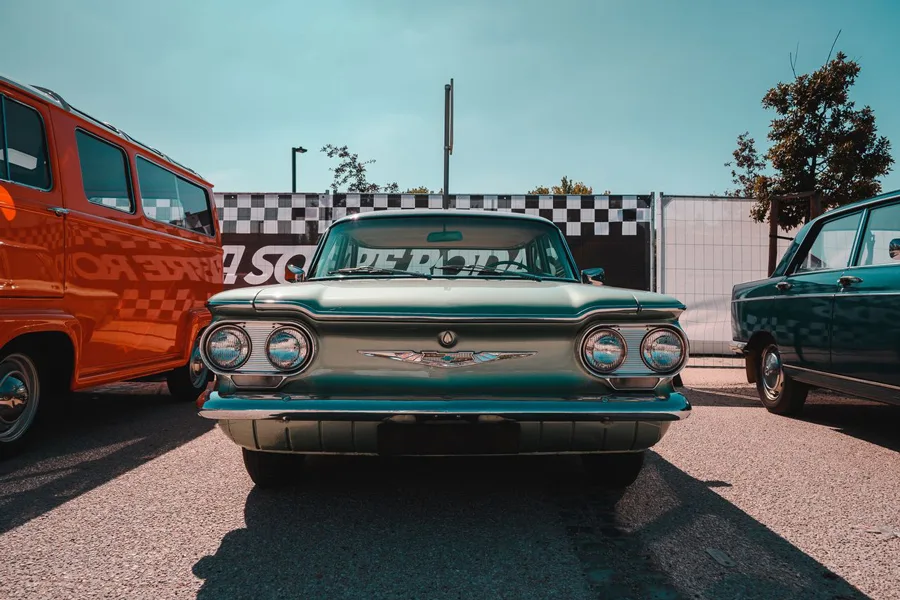
Walking past a sleek vintage vehicle instantly commands attention from everyone nearby. The gleaming chrome accents and distinct engine purr trigger a deep sense of nostalgia for a bygone era. People stop to admire the classic body shapes that stand out from modern traffic.
Many people view beautiful vintage machines as rolling pieces of fine art. The growing fascination with classic automobiles spans across generations of diverse buyers globally. The enduring interest keeps the vintage automotive market thriving year after year.
The Emotional Connection to Vintage Design
Every vintage automobile tells a unique story from the distant past. Drivers often remember the exact moment they fell in love with a specific model during childhood. Memories create a strong bond that modern vehicles simply cannot replicate.
Owning a piece of history brings immense personal satisfaction to an enthusiast. If you are currently considering selling your classic car to another passionate enthusiast, finding the true market value matters. The sentimental value often matches the financial commitment made by the next caretaker.
Aesthetic appeal plays a major role in the enduring fascination. The unique body lines and manual controls offer a tactile experience missing from modern computerized transport. Drivers feel more connected to the road without digital screens distracting them.
Financial Growth in the Collectible Market
Collecting historic vehicles serves as a viable alternative investment strategy for many individuals. Financial data shows strong growth patterns across the global industry. Buyers recognize the long-term potential of preserving rare automotive assets.
A market report indicated the global vintage vehicle industry held a value of $29.6 billion. The same evaluation projects the market size to hit $52.8 billion by 2034. It represents a steady compound annual growth rate of 6.6%.
Investors view tangible assets as a stable shield against standard market volatility. Rare models frequently retain value far better than traditional stocks or bonds. The physical ownership adds a layer of enjoyment that stocks can never provide.
Rarity and Historical Significance
Scarcity directly influences the desirability of any vintage machine. Factory assembly lines decades ago produced far fewer units compared to mass manufacturing today. Finding a well-preserved model feels rarer every single year.
A publishing group highlighted that low production figures and factory originality regularly push valuations upward as the years pass. Historical background adds another layer of value that collectors willingly pay a premium to own. Buyers actively hunt for matching numbers and original paint configurations to protect their investment.
Finding an untouched survivor model feels like discovering hidden treasure. Pristine vehicles represent a specific moment in industrial history. They serve as physical records of past engineering achievements.
The Rise of Modern Classics
The definition of a collectible vehicle changes as new generations enter the hobby. Younger buyers look for the poster cars of their youth. Models from the end of the previous century now command premium prices.
An automotive history study revealed that enthusiast vehicles from the 1990s and 2000s are rapidly gaining popularity. Buyers seek out specific traits that define this era. The shift highlights a changing demographic in the global collector community.
Collectors favor newer models for distinct technical reasons:
- Vehicles with pure analog appeal attract purists who love driving.
- Traditional manual transmissions offer a direct connection to the road surface.
- The absence of heavy electronic interference keeps the driving experience authentic.
The Joy of Hands-On Restoration
Spending weekends in the garage provides a therapeutic escape for many dedicated owners. Turning wrenches and sourcing rare parts brings a profound sense of personal accomplishment. The process requires learning old techniques that are fading from modern repair shops.
The restoration process allows people to master traditional mechanical skills. Restoring a degraded body shell to factory specifications requires intense patience. Every hour spent working on the vehicle increases the personal connection to the machine.
Owners form a deep bond with vehicles they rebuild with their own hands. Every scratch fixed tells a story of dedication. The finished project represents hundreds of hours of hard labor and determination.
Community and Social Connection
The hobby extends far beyond individual garages and private collections. Weekend car shows gather like-minded people together in local neighborhoods. These events create a space where people share stories about their automotive journeys.
Participants share technical advice and trade spare parts at the gatherings. The shared passion cuts across different age groups and backgrounds. Newcomers find welcoming mentors who are eager to pass down their mechanical knowledge.
Lifelong friendships develop through local car clubs and online forums. The social aspect keeps the automotive culture thriving year after year. Generations connect over a shared love for historical transportation design.
The fascination with vintage vehicles shows no signs of fading. Vintage machines bridge the gap between historical craftsmanship and modern driving desires. They remind us of a simpler time in transportation history.
Collectors will keep preserving automotive treasures for future generations to admire. The legacy of the open road lives on through rolling monuments. Their appeal remains timeless.