



4 minute read
Learning to control a rotorcraft demands a complete shift in how you think about three-dimensional motion, spatial orientation, and energy management, with a minimum of 45 hours of flight time required for licensing. Fixed-wing aircraft want to fly, but a helicopter relies on constant, synchronized inputs across the cyclic, collective, and anti-torque pedals just to stay in a stable hover. Mastering this dynamic environment takes deliberate preparation, rigorous flight instruction, and a deep respect for aerodynamic physics.
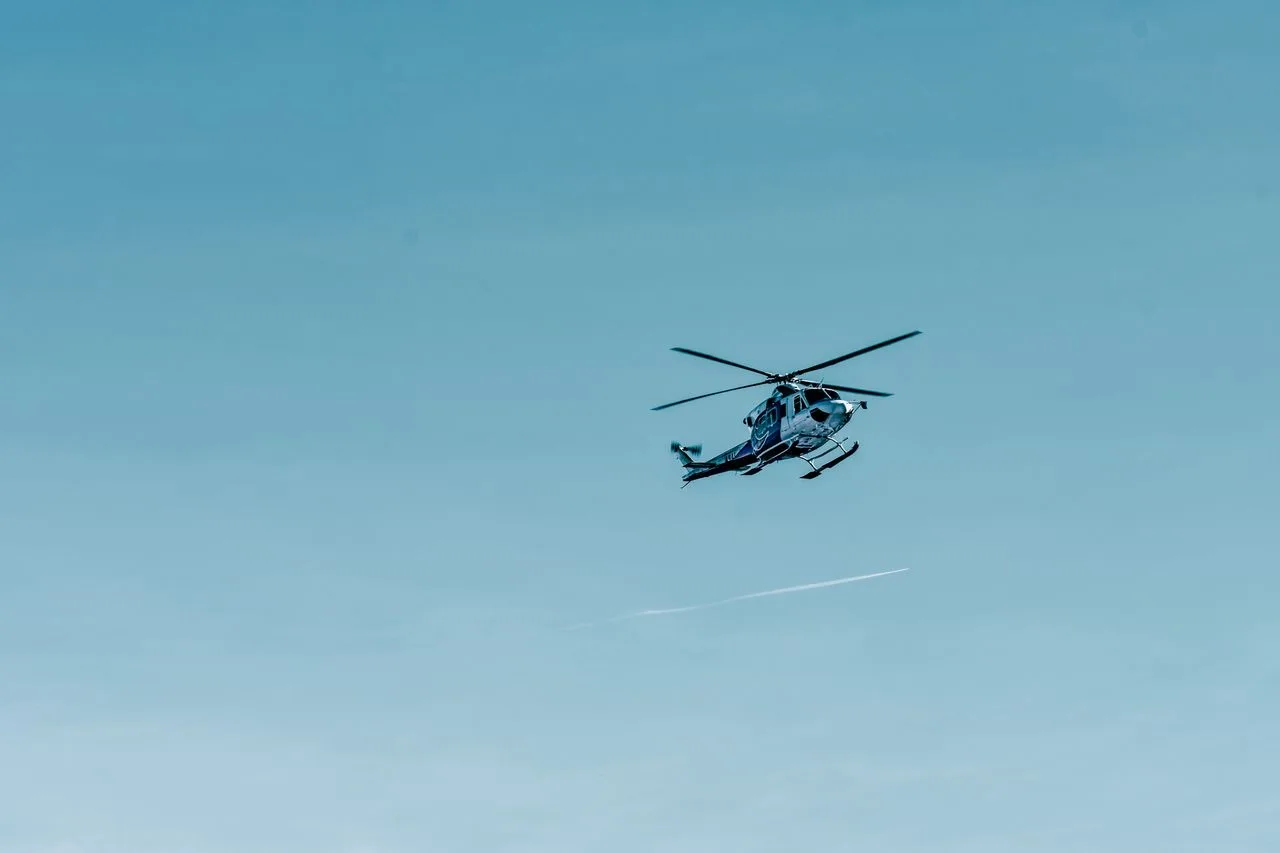
Ground School and Aerodynamic Mastery
Before you log dozens of hours practicing hover taxiing, you need a firm grasp of aerodynamic mechanics. Hovering requires balancing complex forces like transverse flow effect, translational lift, and vortex ring state. Ground school covers these critical concepts along with airspace classifications, navigation, and federal aviation regulations.
Pilots must pass an extensive FAA written knowledge exam to prove they understand rotor dynamics and system limits before taking their practical checkride. Understanding how density altitude degrades engine performance and rotor efficiency in thin or hot air keeps you safe during demanding high-altitude maneuvers.
Building Flight Time and Emergency Readiness
There are over 10,000 active rotorcraft pilots navigating civil and commercial airspace across the country today. Joining those ranks starts by getting your Private Pilot License through an accredited flight school. Flight training systematically builds your physical muscle memory alongside your tactical judgment.
- Emergency autorotation practice teaches you to land safely without power using mechanical rotor inertia
- Precision hovering drills train your feet and hands to make imperceptible control adjustments constantly
- Cross-country navigation builds real-time cockpit resource management and air traffic communications skills
A massive portion of primary flight training focuses heavily on emergency procedures. Engine failures in a helicopter require immediate reaction to lower the collective and maintain rotor RPM via autorotation, letting airflow drive the blades as you glide down.
Weather Awareness and Physical Prerequisites
Rotorcraft operate much closer to the ground and terrain features than commercial jet transport aircraft. This proximity makes localized microclimates, sudden wind shifts, microbursts, and low-visibility conditions particularly dangerous. Learning to read rapid weather changes, beyond local forecasts, and respecting low cloud ceilings is essential for safe low-altitude flight operations.
Candidates must hold a valid FAA medical certificate proving adequate vision, hearing, cardiovascular health, and neurological function. Beyond basic physical health requirements, helicopter flying requires sharp spatial awareness and high stress tolerance. When selecting a flight program, evaluate whether the academy operates under Part 61 or Part 141 regulations to match your personal pacing and career timeline.
Master Mechanical Systems and Preflight Inspection Routines
Becoming a skilled rotorcraft pilot requires getting comfortable with the complex mechanical systems keeping you airborne. You must learn to inspect every critical component during your preflight walkaround, from the swashplate assembly to the tail rotor gearbox.
A thorough physical inspection ensures mechanical reliability before you engage the starter. Catching a worn pitch control rod or a minor hydraulic leak on the ramp prevents serious equipment failures in flight. Training programs emphasize these hands-on routine checks so every student develops an eagle eye for component wear and fluid levels.
The dangers of helicopter flight are frequently highlighted in the media when crashes occur, and fatalities arise. This should be enough to reinforce the importance of thorough training and routine adherence.
Developing Cockpit Decision-Making
Flight controls require absolute concentration during early solo hours, but real safety comes from sound aeronautical decision-making. Developing a conservative mindset around weather minimums and pre-flight inspections prevents critical errors long before the rotor blades start spinning. If you want to explore more posts about career changes and lifestyle decisions, check out other posts we’ve published on these topics.