



6 minute read
You usually notice bad drainage after it has already started causing trouble. A yard stays soggy for days, the basement smells damp, or water collects near the foundation after every hard rain. None of that feels dramatic at first, yet moisture has a talent for turning small annoyances into expensive repairs. If you want your home to stay dry, stable, and easier to maintain, understanding how drainage works gives you a real advantage.
Smarter Yard Drainage Starts With Knowing Where Water Actually Goes
If water keeps showing up in the same spots, your yard is giving you clues. The trick is learning how to read them.
Start after a heavy rain. Walk around your property and look for puddles that linger, muddy patches, downspouts dumping too close to the house, and areas where the grass looks suspiciously swampy. Water usually follows the path of least resistance, which sounds obvious until you realize that one small dip in the yard can redirect gallons straight toward your foundation.
Poor grading is one of the biggest culprits. If the ground slopes toward your home instead of away from it, water collects where you least want it. Compacted soil can make things worse because it prevents water from soaking in. Clay-heavy soil is especially stubborn. It drains slowly, holds moisture longer, and can leave your lawn looking like it lost a fight with the weather.
A quick inspection checklist helps:
– Watch where roof runoff lands
– Check for standing water 24 hours after rain
– Look for mulch washout near beds
– Notice cracks or moisture marks near the foundation
– Inspect basement walls for damp spots or musty odor
That kind of simple detective work can save you from guessing later.
When French Drains Make Sense and What They Actually Do
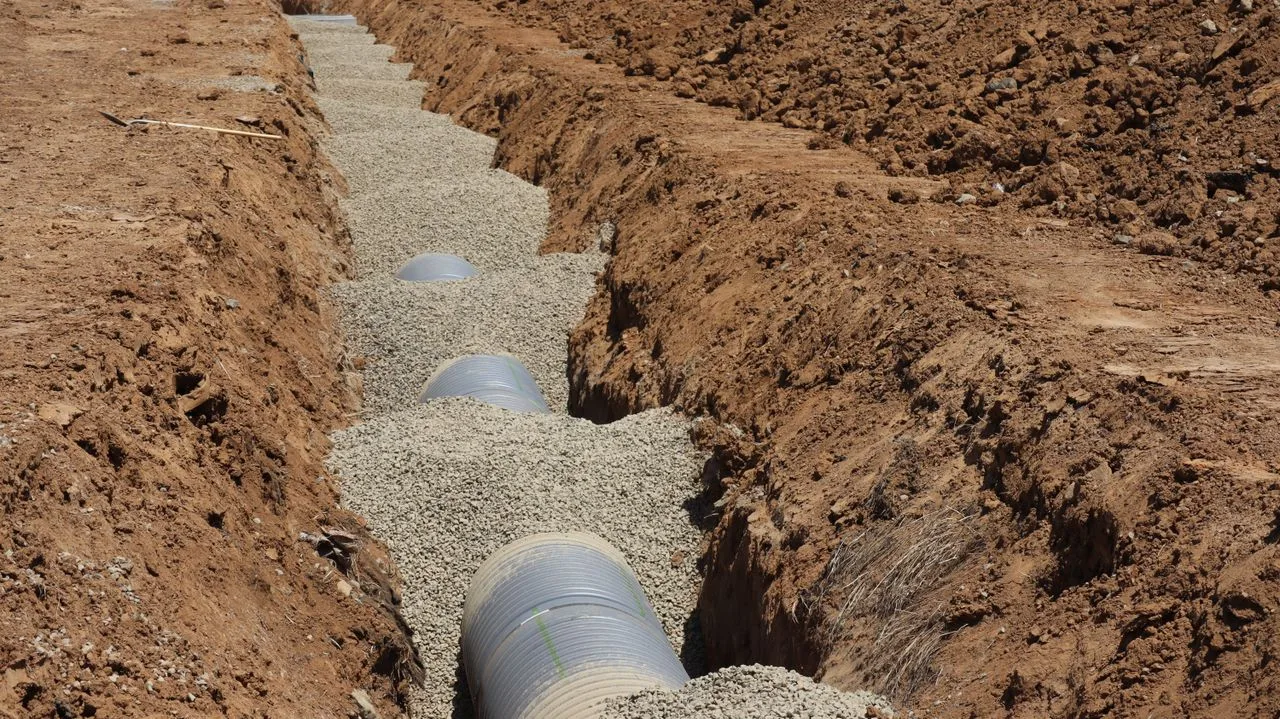
A French drain sounds fancy, but the concept is straightforward. It is a trench filled with gravel and a perforated pipe that redirects water away from areas where it should not collect.
This setup works especially well when your yard has recurring soggy zones, runoff pushes toward the foundation, or groundwater keeps creeping into the basement. The system collects excess water underground and channels it to a safer discharge point. You are not stopping rain. You are controlling where it goes, which is a much more realistic goal.
If your property has repeated drainage trouble, professional French drain solutions can be worth considering because proper placement, trench depth, pipe slope, and outlet design all matter. A badly installed drain is basically an expensive gravel scar with commitment issues.
French drains are often used for:
– Protecting foundations from water buildup
– Drying out low areas in the yard
– Reducing basement seepage
– Managing runoff near patios and walkways
– Supporting overall landscape drainage design
The key is matching the system to your property’s layout rather than copying a one-size-fits-all fix from a weekend video.
The Warning Signs of Drainage Problems Inside and Outside Your Home
Drainage issues rarely stay outside. Water has no respect for boundaries, and once it finds a route, it keeps coming back.
Outside, you might see eroded flower beds, dying grass, leaning fences, or water pooling along walkways. These signs can look cosmetic, but they often point to pressure building under the surface. When soil stays oversaturated, it shifts more easily. That can affect patios, retaining walls, and even sections of your driveway.
Inside the house, the warning signs get more expensive. A musty basement smell often shows up before visible water does. Paint can bubble. Drywall may feel damp. Wooden trim can start warping. If you spot white chalky residue on basement walls, called efflorescence, moisture is moving through the masonry and leaving mineral deposits behind.
Keep an eye out for these red flags:
– Basement humidity that never seems to go away
– Water stains near floor edges
– Mold growth in lower-level rooms
– Cracks forming in foundation walls
– Doors sticking after wet seasons
No homeowner wants a basement with its own climate zone. Catching those patterns early gives you more options and usually lower repair bills.
How to Compare Drainage Fixes Without Wasting Money on the Wrong One
Not every drainage problem needs the same solution. That is where many homeowners overspend. A splash block helps at a downspout. A regrading project changes how water moves across the whole yard. A catch basin handles surface water. A French drain deals with subsurface water. Different jobs, different tools.
Before choosing a fix, ask a few practical questions. Is the problem happening at the surface, below ground, or both? Does it happen only during heavy storms or after every average rainfall? Is water coming from your roof runoff, your neighbor’s grading, natural groundwater, or all three in a rude little collaboration?
A smart comparison usually includes:
– Cost of installation versus long-term maintenance
– Whether the fix addresses the source or only the symptom
– How visible the system will be after installation
– Impact on landscaping and hardscaping
– Local soil conditions and rainfall patterns
Some solutions look cheaper upfront but fail because they do not match the actual water movement on the property. Spending less on the wrong fix often means paying twice. A targeted drainage plan gives you better value than patching the same wet spot every spring.
What to Expect From Installation, Maintenance, and Long-Term Results
A well-planned drainage upgrade should solve a problem, not create a new landscaping headache. Knowing what the process involves makes the decision easier.
Installation usually starts with evaluating slope, soil, runoff patterns, and the safest discharge location. For a French drain, the trench must be deep enough and angled correctly so water flows efficiently. Contractors may use fabric lining, gravel backfill, and perforated pipe depending on the design. In many cases, parts of the lawn or garden beds get disturbed during the work, so plan for some cleanup and restoration afterward.
Maintenance matters too. Even a strong system can struggle if outlets clog with debris or roots work their way into the pipe over time. Routine checks after heavy rain help confirm everything is still performing properly.
For better long-term results:
– Keep gutters and downspouts clear
– Extend downspouts away from the house
– Avoid planting aggressive roots near drain lines
– Recheck low spots after major storms
– Schedule inspections if drainage issues return
Good drainage is not the flashiest home upgrade. You cannot show it off like a renovated kitchen. Still, it protects the structure, preserves the yard, and cuts down on moisture-related repairs. That is the kind of quiet win your house will keep appreciating for years.