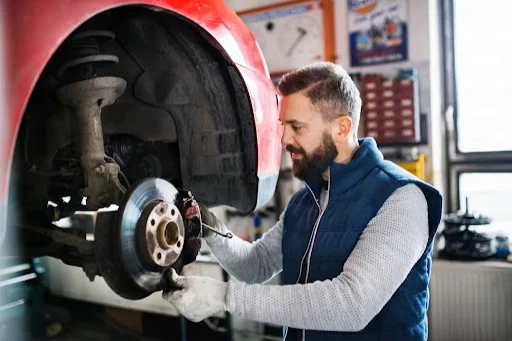
Alpharetta, Georgia, is a vibrant city known for its lively downtown, local parks, and growing tech scene. Its busy streets, stop-and-go traffic, sharp turns, and long highway stretches put all car’s braking system to the test. This is especially true for German models such as BMW, which are designed for precision and performance.
For BMW owners, understanding how brakes respond in these conditions is crucial. The common brake issues they face include squealing pads, grinding noises, steering wheel vibrations, soft or spongy brake pedals, warning lights that stay on, and the car pulling to one side while braking.
Maintaining BMW brakes in peak condition requires expert inspection and precise care. Skilled technicians evaluate every component, from pads to calipers, ensuring they meet manufacturer standards. By relying on professional Alpharetta BMW brake repair services, you preserve stopping power, enhance driving confidence, and keep your vehicle road-ready for years to come.
1. Brake Squealing at Low Speeds:
Brake squealing is common in BMWs due to high-performance pad materials. These pads prioritize stopping power, which can create noise during light or slow braking. Persistent squealing may also indicate worn pads or improper pad contact. Early inspection helps prevent further wear.
2. Steering Wheel Vibrations When Braking
Brake rotor warping or unevenness is frequently indicated by vibration felt through the steering wheel. BMW rotors are more susceptible to heat accumulation because they are made for performance. When braking at higher speeds, this problem is most apparent. Restoring a smooth braking response is facilitated by early service.
3. Grinding Noises While Braking
Grinding noises usually mean the brake pads are fully worn. When metal backing plates contact the rotor, damage can occur rapidly. This condition requires immediate attention. Delaying service often leads to rotor and caliper damage.
4. Soft or Spongy Brake Pedal
Degraded or moisture-contaminated brake fluid is frequently indicated by a soft brake pedal. Over time, moisture is absorbed by BMW brake fluid, which lowers hydraulic pressure. Delays in braking response may result from this. Maintaining a firm pedal feel is facilitated by routine fluid service.
5. Brake Warning Lights Staying On
BMW brake systems use electronic sensors to monitor pad wear and overall system health. A persistent warning light could be a sign of worn pads, malfunctioning sensors, or delayed system resets. Ignoring these warnings may lead to serious brake issues. Electronic diagnostics are used in proper BMW brake repair to ensure system accuracy.
6. Pulling to One Side When Braking
Pulling during braking is often caused by sticking calipers or uneven pad wear. BMW brake systems rely on balanced pressure for straight-line stopping. If left unaddressed, this issue can affect steering control and car tire performance. Early diagnosis prevents further imbalance.
Why Early Detection Makes a Difference
Brake issues typically worsen gradually rather than suddenly. Catching them early helps reduce repair costs and protects surrounding components. Routine inspections are especially important for BMWs due to their precision-engineered brake systems. Preventive care supports long-term safety and performance.
Key Takeaways
- Brake squealing is common, but it should be monitored
- Steering vibration often points to rotor issues
- Grinding sounds indicate fully worn brake pads
- Soft pedals usually signal brake fluid problems
- Warning lights should never be ignored
- Early brake inspections prevent costly repairs