Cycling has always been a sport that rewards preparation. But in 2026, the gap between a well-equipped rider and an underprepared one has never been wider, or more interesting.
The modern cyclist carries more technology per kilogram than most professional athletes did a decade ago. From GPS computers that anticipate climbs before they arrive to cameras that capture every descent from every angle simultaneously, the gear available to everyday riders has crossed into territory that once belonged exclusively to racing teams and film crews.
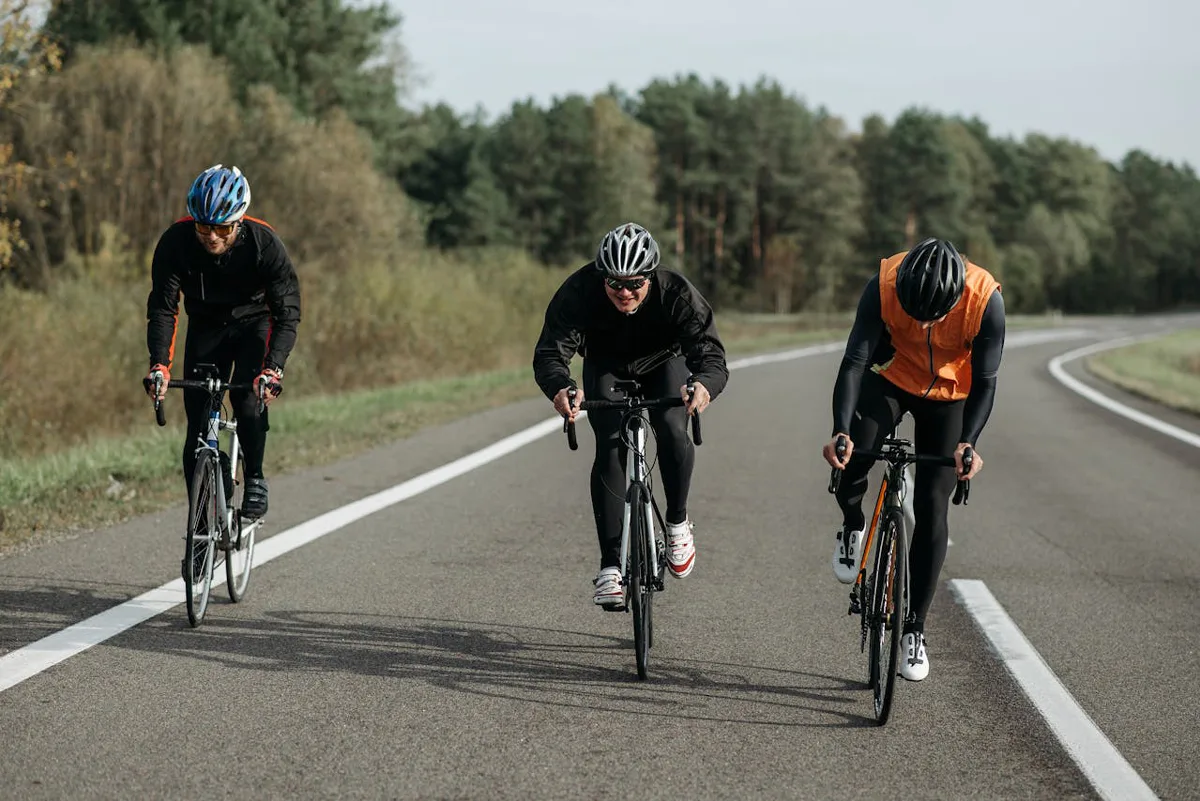
It is not just about performance anymore. A growing segment of the cycling world is equally interested in documentation, the ability to record a ride in a way that does justice to what it actually felt like. Cameras like those from Insta360 have become a fixture in cycling kits precisely because they solve a problem action cameras could not: capturing not just the road ahead, but the full landscape of a ride, the valley dropping away to the left, the storm building behind, the peloton spread across a mountain pass, all of it, at once.
The result is a gear landscape that serves both the athlete and the storyteller, often in the same person.
Navigation and Data: Knowing the Road Before It Happens
The GPS cycling computer has been the command center of the modern bike for years, but the 2026 generation has moved considerably beyond turn-by-turn directions.
Devices from Garmin and Wahoo now integrate live weather routing, dynamically adjusting suggested routes based on incoming wind data, surface conditions, and elevation profiles. Riders training for a gran fondo or planning a multi-day bikepacking route can receive mid-ride alerts about road closures, gradient changes, and nearby points of interest without reaching for a phone.
Heart rate, power output, cadence, and recovery metrics have also converged onto a single screen. The better devices now offer real-time training load assessments, telling a rider not just how hard they are working but whether they should be working that hard at all, based on their recent history and sleep data pulled from a paired wearable.
For cyclists who take data seriously, the integration between cycling computers and platforms like Strava, TrainingPeaks, and Apple Health has become seamless enough to feel invisible. The ride ends, the data uploads, the analysis begins, all without the rider touching a single button.
Cameras: Documenting the Ride as It Actually Was
Action cameras have been part of cycling culture since the early GoPro era, but the category has fractured in useful ways. There are now genuinely different tools for different kinds of cyclists, and choosing the right one has become a more considered decision.
For road cyclists and mountain bikers who want clean, directed footage, a compact 4K action camera mounted to a helmet or handlebar remains the workhorse choice. The latest models offer stabilization so effective that footage from a rough gravel descent can look like it was filmed on a gimbal, because in many ways, it was, just a software one.
For cyclists who want to capture the full environment of a ride rather than a single forward-facing perspective, 360-degree cameras have become the more compelling option. Mounted on a short pole above the helmet or fixed to the bike frame, they record everything simultaneously, allowing the rider to select and reframe shots in editing. A climb that felt epic can be rendered as such afterward, with angles chosen for drama rather than whichever direction the camera happened to be pointing at the time.
The invisible selfie stick effect, available on several current models, has also changed how cyclists appear in their own footage. Rather than the familiar arm-extended selfie shot or the detached helmet-cam perspective, riders can now appear to float through the landscape, the camera apparently hovering beside them, the mount digitally erased from the final image.
Wearables and Safety Tech: The Gear That Rides With You
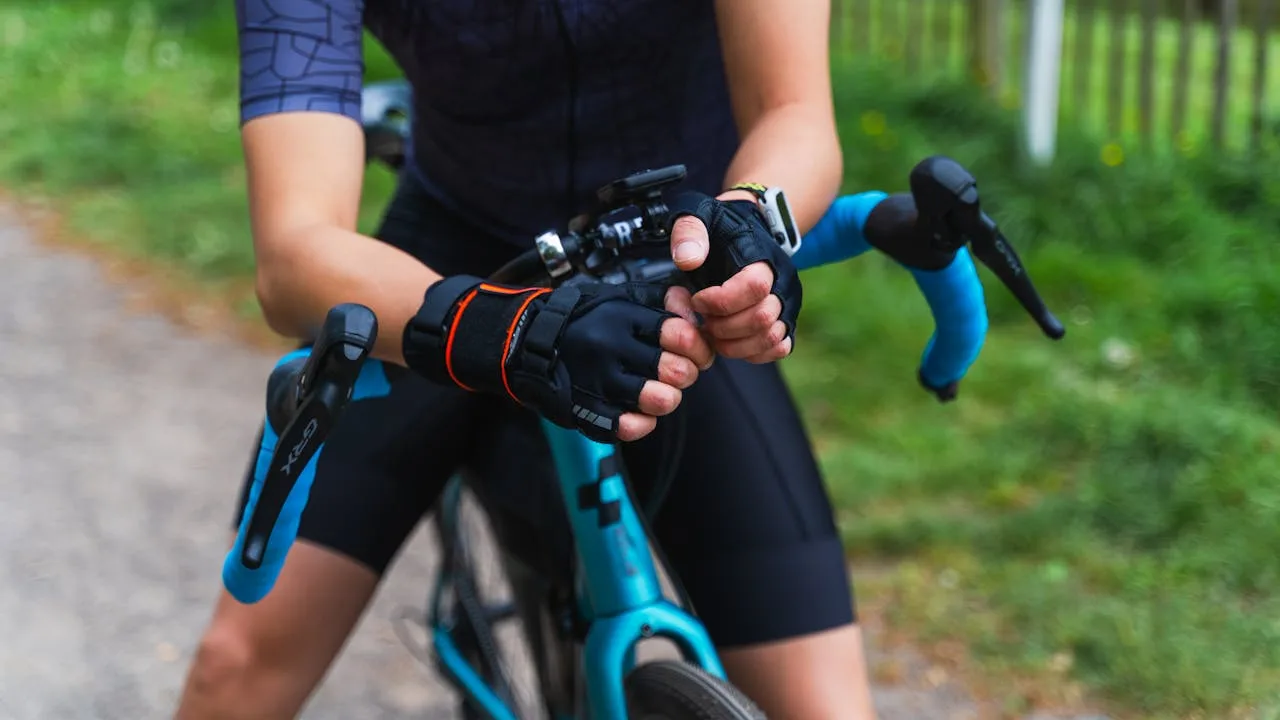
The most significant shift in cycling gear over the past two years has arguably been in safety technology, a category that has moved from afterthought to essential.
Rear-facing radar systems, now integrated into both dedicated units and some cycling computers, alert riders to approaching vehicles before they are audible. The technology, pioneered by Garmin’s Varia line and now available from several competitors, gives cyclists a few extra seconds of awareness on fast roads, a margin that experienced riders describe as transformative.
Helmet technology has also advanced considerably. Impact sensors that detect crashes and automatically send location data to emergency contacts are now standard in premium cycling helmets. Several models pair with smartphones to provide turn-by-turn audio navigation through built-in speakers, removing the need to glance down at a computer during complex urban routes.
Wrist-based wearables have closed the gap between cycling-specific computers and general fitness trackers. The Apple Watch Series 10 and Garmin’s Forerunner line now offer cycling metrics detailed enough that some recreational riders have abandoned dedicated bike computers entirely, preferring the convenience of a single device that handles running, swimming, and cycling without reconfiguration.
Bikepacking and Long-Distance: Gear That Earns Its Weight
For cyclists venturing beyond day rides, the calculus around gear changes entirely. Every item carried must justify its presence in grams as much as function, and the best bikepacking gear of 2026 reflects years of refinement toward that standard.
Lightweight frame bags, handlebar rolls, and seat packs from brands like Apidura and Ortlieb have become so well-engineered that the question is no longer whether to carry gear on the bike rather than a backpack, but how to configure the setup for a specific route’s demands. Waterproofing, attachment systems, and volume-to-weight ratios have all improved to the point where a rider can carry three days of supplies on a bike weighing under twelve kilograms.
Portable power has become a quiet revolution for long-distance cyclists. Solar-capable charging units small enough to attach to a top tube bag can keep a GPS computer, smartphone, and action camera running indefinitely on multi-day routes, removing the battery anxiety that once forced riders to choose between navigation and documentation on longer days.
Lightweight dynamo hub systems, which generate power from wheel rotation, have also seen a resurgence among touring cyclists who prefer not to depend on sun or wall outlets. The generated power is modest but consistent, enough to keep essential devices alive across days in remote terrain.
The Bigger Picture
What the best cycling gear of 2026 shares is a common philosophy: it should reduce friction, not add it. The GPS computer that reroutes silently, the camera that captures without demanding attention, the radar that warns without alarming, the bag that carries without encumbering.
Cycling, at its best, is an act of presence, of being acutely aware of the road, the weather, the body, and the landscape all at once. The gear that earns a place in that experience is the gear that disappears into it.
For riders who have spent years accumulating tools that demanded more attention than they returned, the current generation of cycling technology represents a genuine shift. The ride comes first. The rest takes care of itself.