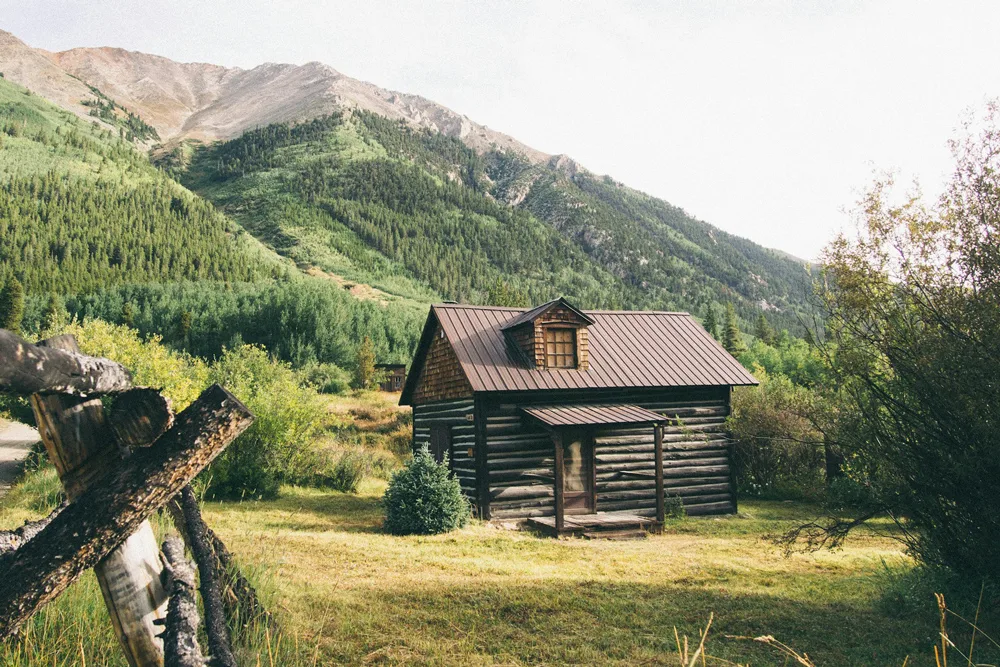
The cabin gets the attention. The deck, the woodstove, the view from the porch. The fire plan usually gets a single extinguisher under the kitchen sink.
That works in town, where an engine is minutes away. Out on a gravel road, help can take far longer. Landowners in that position often look at UTV-mounted water units from makers such as BLZ Fire Skids , alongside the simpler tools most cabins already have. The right kit depends on how much ground you hold and how far the nearest station is.
Here is how to build it in layers, the same way you would pack for a long trip.
What Fire Risks Does a Rural Property Actually Face?
Wildfire is rarely a wall of flame arriving out of nowhere. On private land, the common threats are smaller and closer to home:
- Embers. Wind carries burning debris well ahead of a fire and drops it on decks and gutters.
- Debris burns that escape. A brush pile on a breezy afternoon is a classic starting point.
- Equipment sparks. Mowers, chainsaws and trailers on dry grass can start a fire.
- Grass fires along the drive. A hot exhaust over tall weeds is enough.
Most of these start small. That is the useful part. A small fire caught early is the one a landowner can realistically handle.
How Much Ground Should You Clear Around the Cabin?
Gear matters less than the space around the building. The Colorado State Forest Service sets out a home ignition zone in three bands.
- Zone 1, 0 to 5 feet. This band needs the most attention, with little that can burn.
- Zone 2, 5 to 30 feet. Thin and reduce fuels so fire cannot run straight to the walls.
- Zone 3, 30 to 100 feet. On flat ground, this outer band extends 100 feet from the home.
Think of the zones as the base layer of your kit. A string trimmer, a rake and a free weekend do more here than any gadget. Move the firewood stack out of Zone 1 before you buy anything new.
Where Do Extinguishers and Garden Hoses Fit?
Every cabin should have a few rated extinguishers. Put one in the kitchen, one in the garage and one near the woodstove. They are made for a fire you can reach in seconds.
Photo by Tak Kei Wong on Unsplash
Alt text: A red foam fire extinguisher mounted on a dark wall
A garden hose is the next layer. It is excellent for wetting a burn pile or a patch of smoldering grass near the house. Its limits show up quickly on a bigger property.
- Reach. A hose stops where the spigot and its length stop.
- Power. A well pump needs electricity, which often fails during a fire.
- Pressure. Household plumbing was never sized for firefighting.
If you run a backup diesel generator for the well, keep it serviced before fire season. A dead generator turns a hose plan into a bucket plan.
When Does a UTV Fire Skid Make Sense?
A fire skid is a self-contained water unit that sits in a truck bed or UTV cargo box. It combines a tank, a pump, a hose reel and a nozzle. You drive the water to the problem instead of dragging hose toward it.
The step up makes sense in a few situations. The property runs to several acres or more. Fence lines, trails or a back pasture sit far from the spigot. The nearest fire station is a long drive away.
Many owners already have the vehicle. The same side-by-side that handles winter plowing can carry a skid in summer. Sizing comes down to cargo rating. A full tank is heavy, since water weighs roughly 8.3 pounds per gallon.
BLZ offers several sizes as a reference point. Its Scout 45 holds 45 gallons, and the Guardian 80 holds 80. Both carry 125 feet of hose and run a battery-powered pump. The company also sells a draft kit that lets its UTV skids pull water from a pond or stock tank.
Which Fire Rules Should You Check Before Burning?
Gear does not replace local rules. Most wildfires on private land start with something the owner chose to do. Burning brush is the obvious example.
Rules differ widely across the country. In Texas, the Forest Service explains that county burn bans are set by a county judge or commissioners court during drought. Other states use permits, burn days or fire-season closures instead.
Before you light anything, run through a short check:
- Look up the ban status for your county on the day you plan to burn.
- Check the forecast for wind, and skip any day with gusts.
- Stage water and tools next to the pile before the match comes out.
Finally, stay with the fire until it is cold to the touch.
How Do You Keep the Kit Ready Each Spring?
Fire readiness works best as a routine, like servicing the truck before a road trip. A spring pass and a midsummer pass cover most properties.
Inside the cabin, test smoke alarms and check extinguisher gauges. A smart smoke detector can alert your phone when you are away. That matters for a property you visit only on weekends.
Outside, clear gutters and trim branches back from the roof. Mow the drive edges. Start the skid pump, charge its battery and run water through the hose. Then confirm that the gate code and the road number are posted where responders can see them.
Frequently Asked Questions
Is a Skid Overkill On a Half-Acre Lot?
Probably not. On a half-acre lot near a hydrant or fire station, extinguishers, a good hose and clear zones cover most needs. Skids suit larger or remote properties.
Can Any UTV Carry a Water Skid?
Only if the cargo rating covers the full weight. Check the wet weight of the unit, not the dry weight. Then compare it with your manual.
How Often Should I Test Fire Equipment?
Test alarms monthly and inspect extinguishers before each season. Run any pump and hose at least twice a year. Fix problems before the dry months arrive.
Should I Fight a Wildfire Myself?
Call 911 first, every time. Landowner gear is for small starts and protecting structures. Leave early when officials order an evacuation.