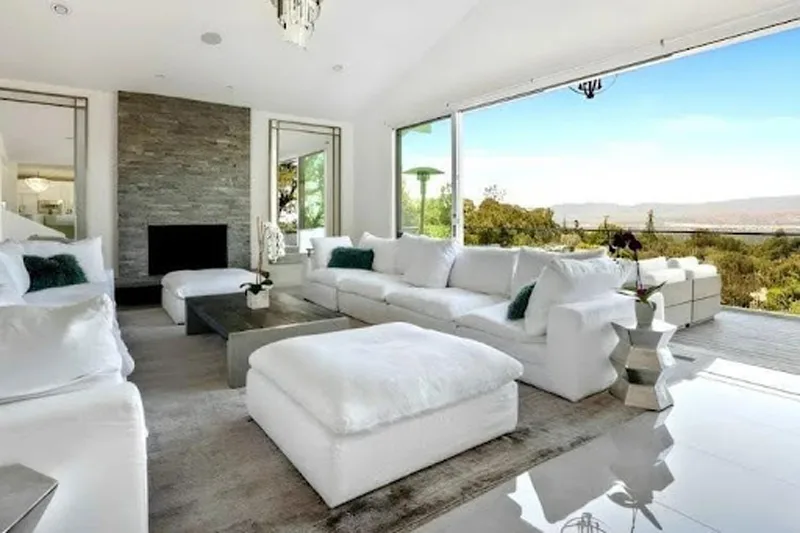
The way people shop for furniture has changed. Homeowners and renters no longer want sofas that serve a single purpose or fit a single layout forever. They want flexible furniture that works for changing spaces, growing families, movie nights, and everyday comfort. That shift has fueled demand for custom sectional sofas, especially in the growing “cloud couch” category.
Soulfa, a boutique furniture company founded in 2015, has built its identity around that demand. The brand focuses on handcrafted modular sectionals made in the United States using kiln-dried oak hardwood, performance fabrics, and high-density memory foam inserts. Rather than producing furniture at a mass scale, the company limits production and positions its products as long-term home investments.
Custom Layouts Reflect Modern Living Trends
More consumers now expect furniture to adapt to their lifestyles instead of forcing them into fixed layouts. Open-concept homes, smaller apartments, and multifunctional living spaces have pushed modular sectionals into the mainstream furniture market.
Through its customizable sectional system, Soulfa allows customers to create layouts that match their homes instead of selecting from standard configurations alone. The company offers several modular arrangements, including chaise sectionals, L-shaped sofas, and oversized “movie pit” designs intended for larger gathering spaces.
This flexibility appeals to homeowners, renters, and apartment dwellers who may move or redesign their living spaces over time. Instead of replacing an entire sofa, consumers can adjust the configuration or refresh specific components to fit new layouts.
Industry analysts have linked the growth of modular furniture to changing living patterns and rising interest in adaptable home design. Large sectionals that once targeted only oversized suburban homes now appear in apartments, lofts, and mixed-use living spaces where flexibility matters more than permanent room arrangements.
Soulfa also builds its sectionals as single solid structures rather than shipping disconnected pieces that require hardware assembly. The company states that this method improves stability and reduces the shifting often associated with modular sofas over time.
Long-Term Construction Has Become a Bigger Selling Point
Furniture durability has become a larger topic across the home industry as consumers grow frustrated with short furniture lifespans. Low-cost furniture often shows visible wear after only a few years, especially in homes with children, pets, or heavy daily use.
Soulfa addresses that concern through construction methods focused on longevity. The company uses kiln-dried oak hardwood frames combined with high-density foam and optional 1.5-inch memory foam inserts designed to maintain structure while delivering softer seating.
The memory foam component also separates the brand from many competitors in the cloud-style sofa category. Oversized “cloud couches” often lose their shape after extended use, creating the sagging appearance many consumers associate with lower-quality sectionals. Soulfa’s denser inserts aim to maintain consistent support while preserving the relaxed look customers expect from oversized modular seating.
The company backs its sectionals with a 20-year warranty, which remains relatively uncommon in the direct-to-consumer furniture market. Longer warranties have become more important to buyers making high-ticket furniture purchases, particularly as replacement costs continue to rise across the home furnishings sector.
Soulfa founder and CEO Vitória has publicly connected the company’s construction philosophy to environmental concerns surrounding disposable furniture. In company statements, she notes that millions of tons of discarded furniture enter landfills every year due to poor durability and short product lifespans.
Non-Toxic Fabrics Address Consumer Health Concerns
Material safety has become a growing consideration for furniture shoppers, especially families and consumers focused on indoor air quality. Upholstered furniture often contains chemical treatments, flame retardants, or synthetic coatings that many buyers now actively avoid.
Soulfa states that its fabrics are free from lead, formaldehyde, flame retardants, and chemical stain treatments such as Scotchgard. The company describes its materials as hypoallergenic and designed to reduce off-gassing inside the home.
The shift toward cleaner upholstery materials reflects wider consumer awareness around indoor environmental health. Research organizations and environmental groups have increasingly examined how household materials contribute to indoor air pollution, particularly in heavily upholstered living spaces.
At the same time, furniture buyers still expect practical performance features. Soulfa combines stain-resistant fabric technology with removable, washable covers designed for long-term maintenance. Most covers can be machine-washed or replaced independently, allowing owners to refresh the sofa without replacing the entire sectional.
This approach also aligns with another growing trend of replaceable soft goods. Instead of treating upholstery as permanent, many newer furniture systems now allow consumers to update colors, textures, or worn components while keeping the main frame intact.
Boutique Manufacturing Shapes the Brand’s Identity
Unlike mass-market furniture retailers that focus on rapid inventory turnover, Soulfa operates as a smaller-scale furniture maker with limited annual production. The company compares its manufacturing philosophy to luxury automotive production, emphasizing craftsmanship and controlled output over volume.
Each sectional is handcrafted in the United States using ethically sourced materials and delivered fully assembled. Customers don’t need to install hardware, connect multiple frames, or complete complicated setup instructions once the furniture arrives.
That production model has helped define the company’s position within the premium direct-to-consumer furniture category. Consumers increasingly evaluate furniture purchases based on appearance, sourcing practices, construction quality, and long-term ownership value.
The company’s branding also reflects founder Vitória’s broader focus on creating healthier living environments. In public statements, she describes the home as a place that should support comfort, wellness, and everyday living without relying on disposable materials or chemically treated products.
Conclusion
Custom furniture continues to reshape the modern home market as consumers prioritize flexibility, durability, and healthier materials. Modular sectionals now serve a wider audience than traditional luxury buyers, reaching apartment residents, families, remote workers, and homeowners seeking adaptable living spaces.
Soulfa’s approach reflects several of the trends driving that shift. The company combines customizable layouts, solid-frame construction, non-toxic upholstery materials, and washable components within a category often criticized for short furniture lifespans. As more consumers move away from disposable furnishings, brands focused on longevity and adaptable design will likely remain central to the future of the sectional furniture market.