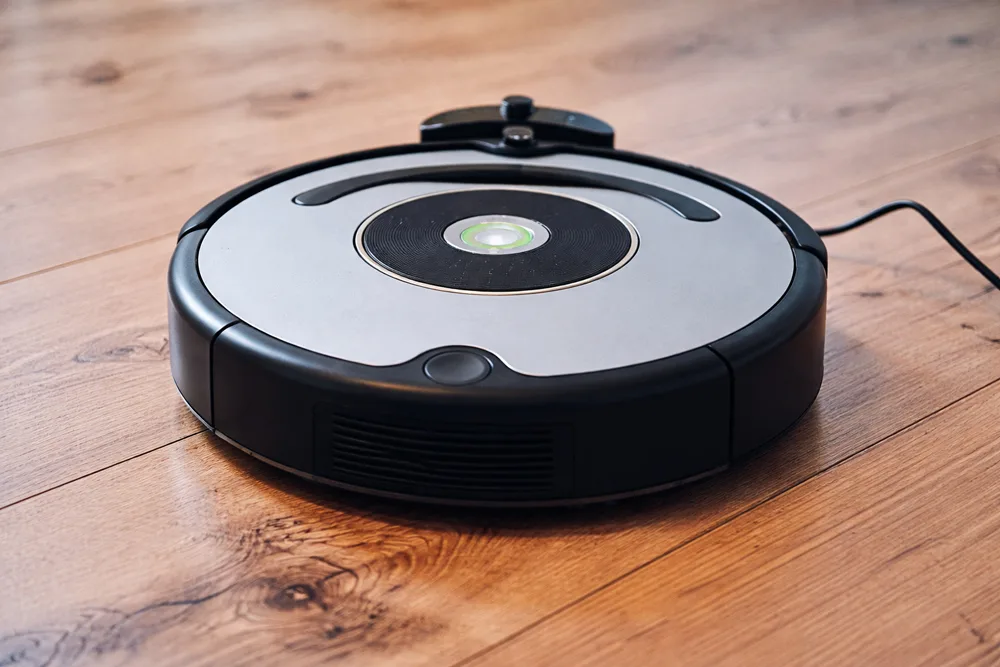
Robot vacuums handle daily upkeep on carpet, but they do not replace professional carpet care for deep cleaning, stain removal, and long-term fiber health. They work best as a maintenance tool that keeps surfaces tidy between more intensive cleanings.
Robot vacuums have become a go-to solution for busy households, especially with smart mapping and scheduled cleaning. Still, carpet tells a different story than hard flooring, and the gap between convenience and deep cleaning matters more than most people expect.
Where Robot Vacuums Perform Well On Carpet
Robot vacuums are built for consistency. They shine when used frequently, especially in homes with pets, kids, or steady foot traffic. Their value comes from repetition; running a robot vacuum daily reduces buildup before it becomes visible or embedded.
They are particularly effective in the following situations:
- Light surface debris removal: Picking up crumbs and lint before they are stepped on.
- Daily dust and pet hair pickup: Keeping allergens from settling.
- Maintenance between deeper cleans: Extending the time between heavy-duty vacuuming.
- Low-pile carpet areas: Where debris is less likely to sink deep.
- Open spaces: Maximizing the efficiency of their sensors.
Why Deep Cleaning Requires More Than Automation
Carpet absorbs oils, allergens, and microscopic debris over time. Removing those elements requires more than suction. Professional methods like steam cleaning use high-pressure water and specialized detergents to break down and remove contaminants sitting deep within the fibers.
Routine deep cleaning supports:
- Improved indoor air quality: Removing trapped bio-contaminants.
- Longer carpet lifespan: Preventing fiber abrasion from embedded grit.
- Warranty Compliance: Many manufacturer warranties require professional steam cleaning every 12 to 18 months.
For stubborn stains or odors, consulting a specialist through services like cleanvillecarpetcare.com ensures the right approach for different carpet types, such as wool versus synthetic blends.
The Limits of Suction and Brush Design
Carpet fibers trap dirt below the surface. Standard robot vacuums often lack the suction strength and brush agitation needed to lift debris buried deep in the pile. Even high-end models face challenges with thick or high-pile carpet, as the compact motors cannot generate the same CFM (cubic feet per minute) of airflow as a full-sized upright.
Hidden grit and sand are particularly problematic for home maintenance. These sharp particles act like sandpaper against carpet fibers when walked upon, eventually fraying the pile. Brush rolls can help, but they rarely match the power of professional extraction equipment or the heavy-duty agitation of a manual vacuum.
Maintenance Routine That Actually Works
A balanced routine delivers the best results. Robot vacuums play a role, but they are one piece of a larger strategy:
- Daily: Run your robot vacuum to handle surface-level “top-down” dirt.
- Weekly: Use a high-suction upright vacuum to pull from the base of the fibers.
- Immediately: Spot clean spills before they set into a permanent stain.
- Annually: Schedule a professional deep clean to reset the carpet’s texture and hygiene.
Allergy Considerations and Air Quality
Carpet can trap allergens like dust mites, pollen, and pet dander. While robot vacuums help reduce surface buildup, they often redistribute fine particles into the air if they lack high-quality HEPA filtration. Deeper cleaning addresses bacteria buildup in high-use areas and residue left from spills or pets that a dry vacuum simply cannot reach.
When Professional Carpet Care Makes the Difference
There are clear moments when professional carpet care is not optional.
A smarter way to care for carpet is to embrace a layered approach. Use your robot for convenience, but trust professional methods to handle what lies beneath.