Every home holds more potential than its square footage suggests. The difference between a house that feels limiting and one that feels genuinely livable rarely comes down to size. It comes down to the decisions made within the existing space, and how thoughtfully each room has been shaped to serve the people inside it.
Most homeowners assume that meaningful improvement requires tearing down walls, adding rooms, or committing to months of disruptive construction. That assumption keeps a lot of people stuck. The truth is that targeted, well-considered upgrades to the spaces you already have can shift the entire character of a home, making it more comfortable, more functional, and far more aligned with how you actually live.
Finding the Right Starting Point
Not every room deserves equal attention at the outset, and beginning in the wrong place can make the whole process feel unproductive. The rooms that shape daily routine, from the first hour of the morning to the last moments of the evening, are the ones worth addressing first. Getting that order right is what makes every subsequent upgrade feel more intentional.
A Room Worth Rethinking Carefully
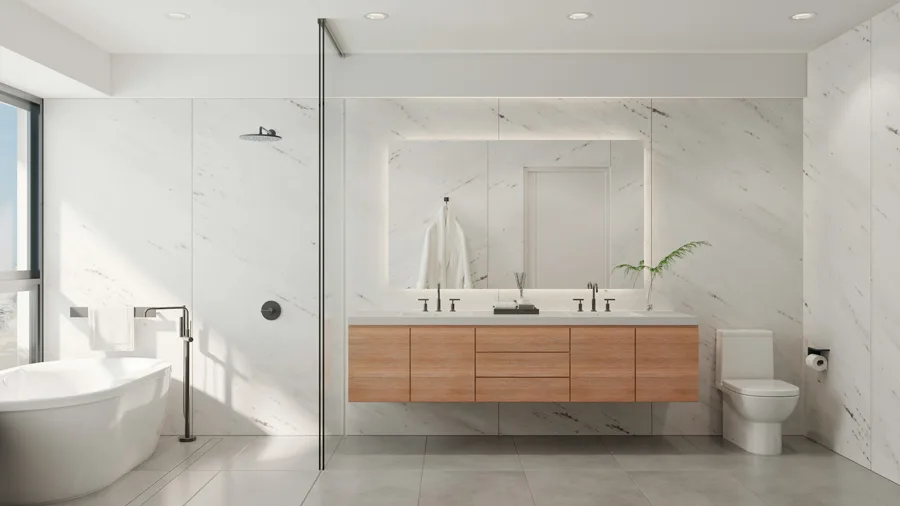
The bathroom is one of the most used rooms in any home, yet it is often the last to receive serious attention. What makes it particularly worth addressing is the degree to which its condition shapes how a day begins and ends. A bathroom that functions poorly, looks dated, or feels cramped introduces unnecessary stress into moments that should be restorative.
Upgrading the fixtures, layout, and finishes of an existing bathroom does not require gutting the room entirely. Thoughtful changes to the shower, tub area, or wall surrounds can transform the whole experience of the space. When you are ready to move forward, get in touch with Dream Baths by Bee to discuss your ideas, get estimates, and map out the right approach for your space.
Lighting Changes More Than You Expect
Few upgrades shift the feel of a room as dramatically as lighting, and few are as consistently overlooked. Overhead fixtures that cast flat, even light flatten the personality out of a space. Layered lighting, achieved through a combination of ambient, task, and accent sources, gives a room depth and makes it easier to adapt the atmosphere to different moments in the day.
Dimmer switches are one of the most cost-effective changes a homeowner can make. They give you direct control over tone without requiring any structural work. Warmer bulb temperatures in living and sleeping areas support relaxation, while cooler tones in workspaces and kitchens support focus and clarity.
Natural light deserves the same level of consideration as artificial sources. Positioning mirrors to reflect daylight deeper into a room extends the reach of whatever light is already coming in. Together, these adjustments create an environment that feels considered and responsive rather than static.
The Role of Furniture Arrangement
A room’s layout does more to determine how it feels than most people realize. Furniture pushed against every wall tends to make a space feel hollow rather than open. Pulling pieces inward, even slightly, creates a sense of intentionality and makes conversation or shared activity feel more natural.
Scale matters just as much as placement. Oversized furniture in a modest room creates visual heaviness. Pieces that are proportional to the space they occupy allow the room to breathe. Before purchasing anything new, it is worth mapping out the existing layout and experimenting with repositioning what you already have.
Traffic flow is another factor that often goes unexamined until it becomes a daily irritation. A clear, unobstructed path through a room makes it feel larger and easier to move through. Small shifts in how pieces are oriented can resolve that friction without spending anything at all.
Storage as a Design Decision
Clutter does more damage to a home’s atmosphere than almost anything else, and the solution is rarely to own less. It is to build better systems for what you already own. Closed storage conceals the everyday accumulation that makes rooms feel chaotic. Open shelving, used selectively, gives a room character and allows frequently used items to remain accessible without appearing disorganized.
Custom inserts, modular shelving units, and furniture with integrated storage serve double duty in rooms where space is genuinely limited. The goal is to make every surface intentional. A room where everything has a place, and everything is in it, feels larger and more composed than its actual dimensions suggest.
Entryways and hallways are particularly worth addressing since they set the tone for everything beyond them. A hook, a narrow console with drawers, or a built-in bench with concealed storage underneath can absorb the daily accumulation that would otherwise spread through the rest of the home.
Bringing the Outdoors into Your Living Space
Windows are an underused asset in most homes. Treatments that block natural light in the name of privacy often sacrifice more than they protect. Sheer layering, where a light-filtering inner layer sits behind a heavier outer panel, gives you control over both privacy and daylight without committing to one at the expense of the other.
Indoor plants extend this principle further. Greenery introduces a layer of texture and life that no piece of furniture can replicate. Even a few well-placed plants in rooms that receive decent natural light shift the sensory quality of the space in a way that is difficult to quantify but immediately noticeable.
Making Purposeful Changes Last
Every upgrade worth making shares one quality: it solves a real problem or fills a genuine gap in how the home is being used. The most effective improvements are not decorative gestures. They are answers to specific frustrations, habits, or needs that the existing space is not meeting well.
Working through a home one room at a time, with clear intentions for each space, produces far better outcomes than scattered, trend-driven purchases. When the changes you make are rooted in how you actually live rather than how a space looks in isolation, the result is a home that supports your life rather than complicating it.