A garden asks you to show up. Plants need water, weeds keep coming back, and something always needs trimming or staking. That steady demand is exactly why a backyard plot works so well for your body and mind. You move without counting reps or steps, and you finish with something to show for it.
This article explains how a home garden gets you moving and why your crop choices affect the workout. You will also see how time among your plants supports your mood. Finally, you will get practical tips to start without strain.
Why Garden Work Counts as Real Exercise
A single session outdoors blends several kinds of movement. You bend, lift, reach, squat, and walk, often for an hour or more. Light tasks gently raise your heart rate, while heavier jobs like digging challenge your muscles. Because chores change every few minutes, your body rarely repeats the same motion for long.
Everyday Tasks and the Muscles They Work
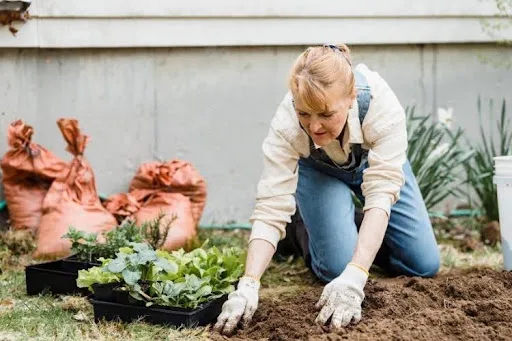
Soil Preparation: You dig, turn, and rake the ground, which works your arms, shoulders, core, and legs.
Weed Control: You squat, kneel, and pull, so your hips, thighs, and grip get steady use.
Water Duty: You carry full cans or drag a hose, adding light load-bearing effort.
Harvest and Cleanup: You reach, cut, and haul, which keeps your joints moving through a wide range.
None of these jobs feels like a formal workout, and that is the appeal. You stay active longer because you focus on the task, not the clock.
Effort You Can Scale Up or Down
Yard work is also easy to adjust. On a tired day, you can keep things light with potting and pruning. On a stronger day, you can turn a compost pile or dig a new bed. That flexibility makes the hobby suitable for people of all ages and fitness levels.
How Your Plant Choices Shape Your Routine
Every crop sets its own schedule. Leafy greens need frequent picking, tomatoes need staking and pruning, and root vegetables ask for deep, loose soil. The more attention a plant needs, the more you’ll get outside and moving.
Your setup matters too. Raised beds and containers reduce bending, while in-ground plots require more digging and kneeling. Think about how much effort you want before you buy a single seed.
Crops That Reward Daily Care
Some plants thrive on close, daily attention, and cannabis is one of them. Where home cultivation is legal, adult growers water, prune, train branches, and inspect leaves almost every day. Always check your local laws before you plant, because rules vary widely by region.
What Feminized Seeds Mean for Your Routine
Cannabis plants are either male or female, and only females produce the flowers that growers want. Regular seeds give you a mix of both, so you must spot and remove the males early. Feminized seeds are bred to produce female plants, which saves you space, time, and effort.
Suppliers such as Pacific Seed Bank specialize in this type. With Pacific Seed Bank feminized seeds, you can filter strains by growing difficulty, which suits beginners and experienced growers alike. The company says its stock is 99.9% feminized, randomly tested for authentic genetics, and hand-packaged. Its catalog lists more than 1,400 strains sourced from breeders and farmers in the USA, Europe, and South America.
Orders ship discreetly and reach customers internationally. You also get free shipping over $60 and three free seeds on purchases over $40. Match the difficulty level to your experience, and you set yourself up for a routine you can keep.
How Time Outdoors Supports Your Mind
Physical effort is only half the story. A garden also gives your mind a place to settle. You step away from screens, breathe fresh air, and focus on one simple task at a time.
A Routine That Gives Your Day Structure
Plants run on a schedule, and that schedule becomes yours. A morning watering round or an evening check gives your day a fixed point. Small, repeated rituals like these can make busy weeks feel more manageable.
Quiet Focus on One Task
Hands-on chores hold your attention gently. You notice the moisture in the soil, the color of a leaf, and the smell of crushed herbs. That quiet focus gives your thoughts a break from daily worries.
Sunlight, Fresh Air, and Better Rest
Time outside exposes you to natural light, and your skin makes vitamin D when sunlight reaches it. Daylight also helps keep your body clock on schedule. Add the physical tiredness of an afternoon spent digging, and you may find that sleep comes more easily.
Progress You Can See
Few hobbies show results as clearly as this one. A seed sprouts, a stem thickens, and a flower opens, all because you kept showing up. That visible progress builds confidence. It also gives you a reason to return tomorrow.
Simple Ways to Start Without Strain
Enthusiasm can outrun your body in the first week. Treat this hobby like any new activity and build up slowly. A few habits keep you comfortable and help you avoid injury.
Small Beginnings: Start with a few containers or one small bed. Expand once the routine feels easy.
Warm-Up Time: Walk around the yard and stretch gently for a few minutes before heavy tasks.
Back Protection: Bend your knees when you lift, and keep heavy loads close to your body.
Task Rotation: Switch jobs regularly so one muscle group does not take all the strain.
Sun and Water Sense: Wear a hat and sunscreen, drink water often, and rest in the shade during hot hours.
Helpful Tools: Use a kneeling pad, long-handled tools, or raised beds if you have sore knees or a stiff back.
Listen to your body as well. Soreness that fades in a day or two is normal, but sharp pain signals you to stop. If you have a health condition or an old injury, talk to your doctor before you take on heavy digging.
A Habit Worth Keeping
A home garden gives you a reason to move, go outside, and slow down. The exercise comes built into the chores, and the mental lift comes from the routine and the results. You control the pace, the size, and the plants, so the hobby fits around your life.
Your next step is simple. Pick one plant that suits your space and skill level, then set a regular time to care for it. Stay consistent for a full season and notice how you feel. Chances are, you will want a bigger plot next year.