In Independence, MO, extreme summer humidity and winter cold force your HVAC system to work overtime. Catching hidden airflow restrictions, worn electrical parts, and clogged drain lines during seasonal maintenance prevents unexpected mid-season breakdowns and keeps monthly energy bills under control.
Here is how routine HVAC checks protect your equipment and save you from costly emergency repairs.
Seasonal HVAC Maintenance Reduces Airflow Problems
Seasonal maintenance tackles indoor airflow restrictions and outdoor coil buildup. In Independence, cottonwood fluff and lawn debris can collect on condensers, hindering heat removal.
During an inspection, technicians target specific physical bottlenecks:
- Indoor Air Handling: Replacing restricted filters and verifying blower motor operation.
- Outdoor Condensers: Clearing lawn debris and cottonwood buildup from coil fins.
- Duct Network Integrity: Assessing airflow through aging or multi-level ductwork.
Addressing these bottlenecks corrects temperature imbalances between floors, eliminating hot or cold spots without forcing you to constantly adjust the thermostat.
Electrical Inspections Can Catch Developing Failures
Electrical trouble can start quietly. A loose connection may cause intermittent operation, while a weakening capacitor can leave a motor struggling to start long before the system stops working altogether.
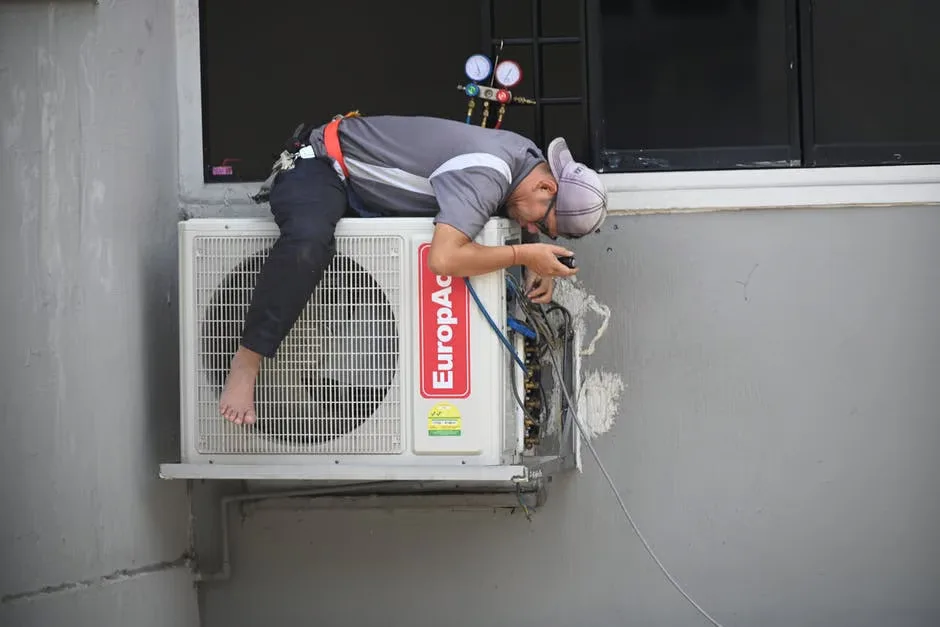
During seasonal maintenance, technicians test capacitors against tolerance ratings, inspect wiring for heat discoloration, and check contactors for pitting or wear. Catching a poor connection early prevents overheated terminals and damaged control boards, allowing a minor electrical adjustment to stop expensive component failure from spreading.
Interpreting electrical readings requires specialized diagnostic tools and local experience. Partnering with trusted HVAC experts in Independence, MO, such as McIntosh Heating & Cooling, ensures these subtle voltage and amperage anomalies are caught early so homeowners can schedule routine repairs before a sudden failure leaves the house without heating or cooling.
Cooling Checks Help Prevent Water Damage and Equipment Strain
Some cooling problems create expenses beyond the air conditioner itself. Spring maintenance provides an opportunity to investigate drainage and cooling performance before Independence’s humid summer weather puts the system to work.
Clear Drainage Helps Prevent Overflow
Your air conditioner removes moisture as it cools, and that water needs somewhere to drain. A blocked condensate line can cause overflow or trigger a protective shutdown, depending on the installation.
Checking the drain line and pan helps catch obstructions before water reaches nearby surfaces. That can prevent a cooling issue from becoming a flooring or ceiling repair.
Performance Testing Identifies Hidden Faults
Weak cooling does not automatically mean the system needs more refrigerant. Airflow restrictions, dirty coils and refrigerant problems can produce similar symptoms.
Standard professional tune-up checklists, such as those recommended by Energy Star and regional utilities like Spire or Independence Power & Light, include precise airflow measurements, coil cleaning, and refrigerant testing. Objective diagnosis pinpoints the exact failure, preventing wasted spend on unneeded parts.
Fall Inspections Can Prevent Avoidable Heating Interruptions
An Independence cold snap puts a furnace to work after months of sitting idle. Fall service catches problems before long heating cycles reveal them on a freezing night.
A dirty flame sensor may shut the furnace down shortly after ignition. More seriously, damaged heat exchangers and improper combustion raise concerns about carbon monoxide exposure. Professional inspections help identify those hazards but never replace working carbon monoxide alarms.
Before winter, a technician checks equipment condition and explains which repairs need attention, with particular focus on:
- Heat exchanger cracks or deterioration
- Gas pressure within manufacturer specifications
- Exhaust vent blockages or damage
- Condensate drainage on high-efficiency furnaces
Early Diagnosis Helps Control Repair Decisions
An unfamiliar noise or longer run time does not automatically mean your system needs replacement. Early diagnosis separates a minor, repairable fault from major equipment failure, giving Independence homeowners time to weigh their options.
Professional tune-ups evaluate key performance metrics—such as electrical amp draws, refrigerant pressures, and airflow readings. These objective measurements provide concrete proof of a system’s exact condition, ensuring recommendations are based on hard data rather than guesswork.
Always ask for written findings and clear estimates. Knowing the exact fault helps you decide whether to repair a single part or plan a future upgrade, avoiding rushed decisions during peak weather.
Thermostat Checks Reduce Unnecessary Repairs
A misleading thermostat reading may point to poor placement rather than failing HVAC equipment. During maintenance, a technician compares temperatures and checks whether sunlight or drafts affect the sensor before recommending HVAC repairs.
Smart thermostats introduce unique troubleshooting variables, such as common-wire (C-wire) power issues or connectivity dropouts. Because a Wi-Fi outage affects remote access rather than system function, proper diagnosis prevents unnecessary equipment replacement. When upgrading to an ENERGY STAR-certified model, confirm compatibility with your technician and verify rebate availability directly with Independence Power & Light (IPL) before purchase.
Put Seasonal HVAC Maintenance on Your Calendar
Don’t wait for the next severe weather shift in Independence to force a rushed repair. Scheduling seasonal tune-ups early gives you total control over your home comfort, maintenance budget, and repair timeline. Before your technician arrives, note any unusual noises or temperature imbalances so they can target those specific concerns during the inspection.