Is your roof looking faded and worn? Whether your roof is looking aged or letting water leak into your home, it’s time to invest in a new one. Keep in mind that your roof plays a critical role in protecting your home from rain and snow, but it also serves as a striking design feature that enhances curb appeal.
That’s why choosing the right roofing material is essential before making such a big investment. From classic shingles to modern metal coverings, you’ll find a range of options to suit any aesthetic or climate.
Let’s dive into some of the most popular choices that might just be the right ones for you.
Affordable and Reliable Asphalt
If you’re seeking a reliable and durable choice, you can’t go wrong with asphalt shingles. They are the most common roofing material in the United States, largely because they’re affordable, easy to install, and available in many colors.
You’ll always be able to find a tone that harmonizes with your home, whether it’s a suburban bungalow, a modern ranch, or a charming cottage.
What Are the Pros of Asphalt?
- Cost-effective for most consumers
- Available in a variety of designs and colors
- Easy to install and repair
- Suitable for a wide range of climates
What Are the Cons of Asphalt?
- Shorter lifespan (15-30 years) compared to other materials
- Less resistant to extreme weather conditions like hail or strong winds
- May need more maintenance over time
Keep your climate in mind as you consider asphalt. In general, these shingles perform best in moderate climates. They can tolerate colder conditions, but they may not be the best choice for regions prone to hurricanes or intense heat.
The Timeless Elegance of Tiles
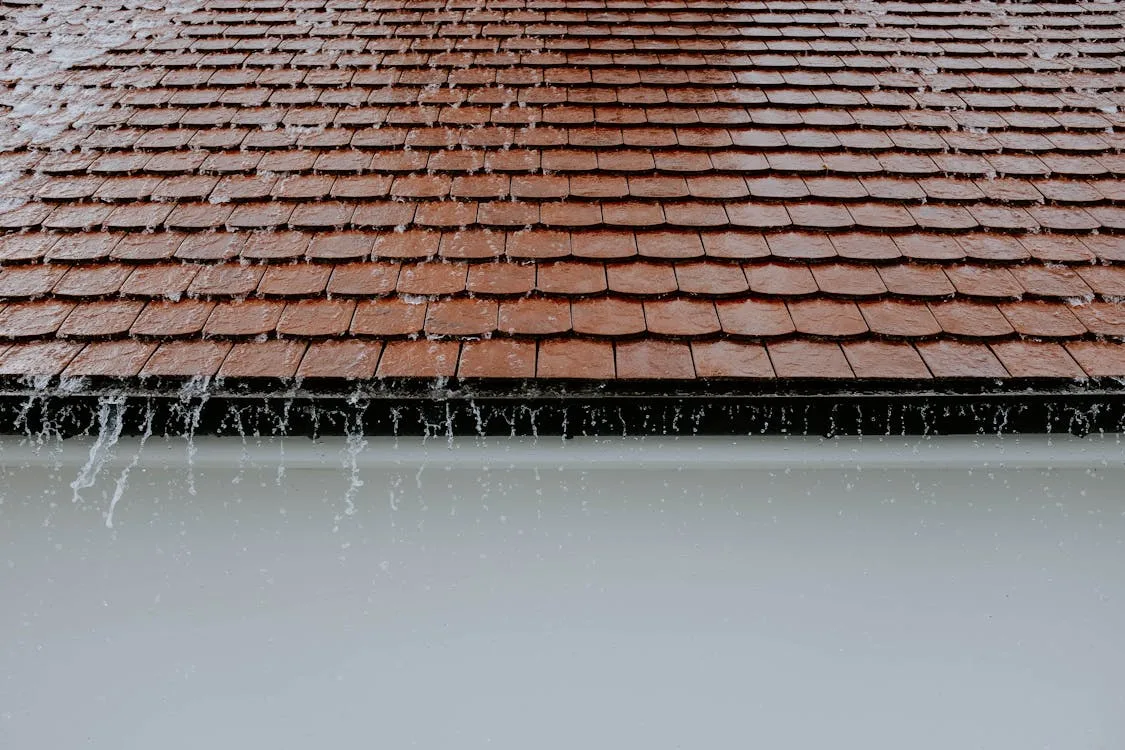
Roofs can be a statement piece when you’re trying to boost curb appeal. If that’s your priority, clay or concrete tiles may be the way to go. These tiles are known for their distinctive, textured look and curled shapes.
You can find terracotta tiles on Spanish, Mediterranean, or mission-style homes. Their durability makes them ideal for areas that experience extreme heat, as they naturally reflect sunlight and help maintain cooler indoor temperatures.
Why You Should Consider Tile:
- Long-lasting (50+ years)
- Fire-resistant
- Great for hot climates
- Eco-friendly (made from natural materials)
Why Tile Might Not Be the Right Choice:
- More expensive than asphalt
- Heavy, which may require extra structural support
- Installation and repairs are more labor-intensive
Clay or concrete tiles excel in hot and arid climates. Be aware that they aren’t the best choice in colder climates with substantial snowfall unless the structure can support their weight.
Modern and Sustainable Metal
When sleek and modern is your aesthetic preference, direct your attention to metal roofs. As a bonus, you’ll love their durability and energy efficiency. If you’re aiming for a contemporary design or an industrial aesthetic, metal roofing can add a modern touch that won’t overwhelm your home.
Paired with a sleek deck or crisp landscaping, a metal roof offers a clean and appealing solution for your home. Additionally, metal can mimic the look of other materials, like slate or wood, and it comes in a variety of colors and finishes.
Metal’s Pros:
- Extremely durable (lasting 40-70 years)
- Energy-efficient by reflecting sunlight
- Lightweight and easy to install
- Low maintenance and highly resistant to wind and fire
Metal’s Cons:
- Higher upfront cost
- Can be noisy during rain or hail (though insulation can mitigate this)
- Potential for denting if hit by heavy objects like large hailstones
Metal roofing is among the more robust protective options in the roofing industry. It can handle a variety of climates, including areas prone to extreme weather. However, if you’re in a location with frequent hail, you may need a more dent-resistant option or a thicker metal panel.
How Roofing Technology Can Help
Not all homeowners have the time to research roofing materials before making a decision. And if your roof is damaged, an urgent situation can make it even harder to arrive at an informed choice.
Conveniently, technological advancements in the roofing industry, like software tools, can do some of the work for you. These tools can provide precise measurements of your roof’s dimensions, accounting for slope and area, to create a clearer estimate of costs. So, if you’re wondering whether a clay roof can fit into your budget, you can find out quickly.
Some tools let you upload photos or use satellite imagery to generate accurate roof dimensions. With a quick roof measurement report, you can explore different options and receive tailored estimates. A concise report can be especially helpful if you’re unsure of how much material you’ll need or if you’re looking to compare the long-term value of one type of roofing material versus another.
Talk to a Roofing Professional
If you’re unsure which material is best for your home, consulting an experienced residential roofing company can help you make a more confident decision. A professional can evaluate your roof structure, local climate, budget, and design preferences to recommend materials that offer the best long-term value.
Through the selection process, don’t forget to factor in long-term costs, such as maintenance and energy savings. Yes, some materials may have a higher upfront cost, but they can save you money on repairs and utility bills over time. Take advantage of technology to assist you in accessing estimates that can help you make the most informed decision.
Select the Right Roofing Material
Choosing the right roof material hinges on several factors that you’ll need to balance. Your home’s architectural style, your local climate, and your budget all feed into your final choice.. If you’re looking for a strong compromise between price and quality, asphalt shingles may be your best bet. But if you prioritize longevity or energy efficiency in hot climates, clay or concrete tiles could be the way to go.
Through the selection process, don’t forget to factor in long-term costs, such as maintenance and energy savings. Yes, some materials may have a higher upfront cost, but they can save you money on repairs and utility bills over time. Take advantage of technology to assist you in accessing estimates that can help you make the most informed decision.