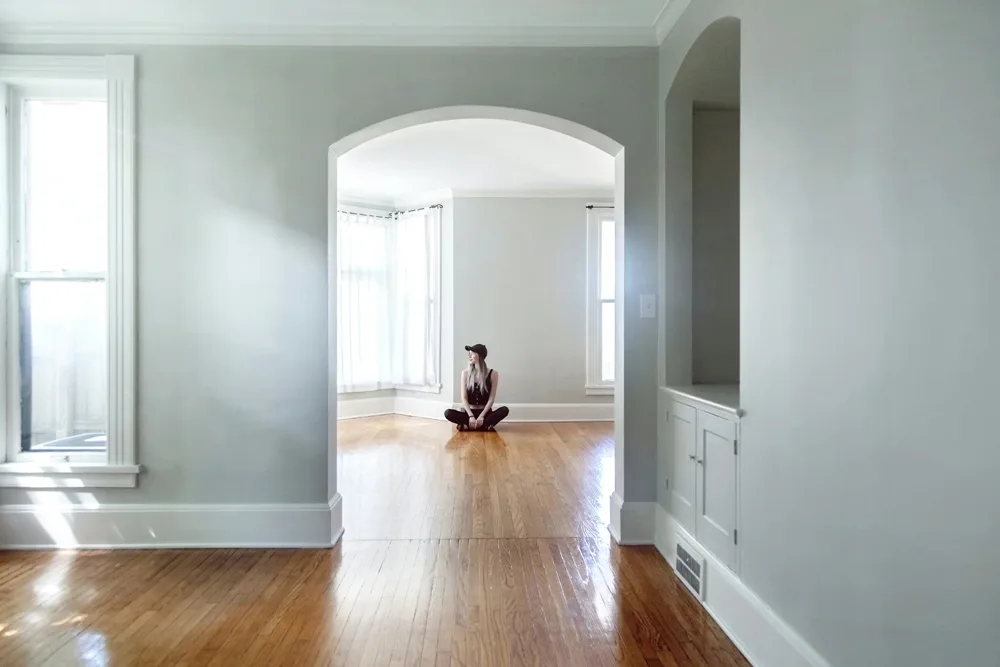
Leaving Fort Lauderdale can feel exciting at first, but the reality often hits once the move is done. You step into a new city where nothing feels familiar. Your usual routine is gone, your favorite spots are miles away, and even small things like grocery shopping take more effort. Many people underestimate how disorienting this phase can be. It’s not just about adjusting to a new place—it’s about figuring out who you are without your old environment shaping your choices.
This guide focuses on helping you rebuild your life with intention. Instead of drifting through the transition, you’ll learn how to take control of it and create a lifestyle that actually fits who you want to become.
Planning the Move to Avoid Unnecessary Stress
A poorly planned move creates problems that can carry over into your new life. Delays, damaged items, or missing essentials can slow down your adjustment. Start planning early by organizing your packing in stages. Keep important items like documents, chargers, and daily essentials easily accessible.
Label boxes clearly based on priority, not just room. This helps you unpack what you need first instead of searching through everything. If the move involves a long distance, working with a Fort Lauderdale long distance moving company can reduce physical strain and help you stay focused on settling in. Good planning keeps your energy available for rebuilding your routine.
When Everything Feels Slightly Off at First
The first few weeks after a move often feel strange in ways you don’t expect. You might feel restless, distracted, or even regretful for no clear reason. This happens because your brain relies on familiarity, and you’ve removed most of it at once. Your usual habits don’t fit your new surroundings yet, so everything feels out of sync.
The best approach is to stop trying to “fix” that feeling immediately. Give yourself time to observe your new environment instead. Notice what feels comfortable and what doesn’t. Keep your schedule simple during this phase. Focus on basic needs like sleep, meals, and getting outside. Once your body adjusts, your mind starts to settle as well.
Building a Simple Daily Structure That Sticks
Without structure, days can start to blur together quickly in a new city. You wake up without a clear plan, and small tasks take longer than usual. Creating a simple routine helps you feel grounded again. Start with a consistent wake-up time and build around that. Add fixed points like meals, a short walk, or a work block.
Keep it realistic. A complicated routine won’t last, especially when you’re still adjusting. The goal is to create a sense of rhythm, not to control every hour. Over time, these small habits reduce decision fatigue and give your day direction. Once your routine feels natural, you’ll have more energy to focus on bigger changes.
Choosing Spaces That Support Your Lifestyle
Your surroundings have a strong influence on your behavior, especially in a new place. If you spend most of your time in spaces that don’t suit you, your mood and productivity will suffer. Pay attention to where you feel comfortable and focused. This could be a quiet café, a park, or a shared workspace.
Instead of staying inside all day, explore different areas and test how they affect your energy. If you want to be more active, find a gym or walking route you enjoy. If you want to meet people, spend time in places where conversations happen naturally. Your environment should make your goals easier to follow, not harder.
Meeting New People Without Forcing It
Making connections in a new city can feel awkward at first. You don’t have a shared history with anyone, and starting conversations takes effort. Instead of trying to meet as many people as possible, focus on putting yourself in the right situations. Attend small local events, join a class, or visit the same places regularly.
Familiarity builds naturally over time. When people start recognizing you, conversations become easier. Avoid putting pressure on every interaction to turn into a friendship. Some connections will stay casual, and that’s fine. What matters is creating opportunities for interaction. With consistency, meaningful relationships will develop without forcing them.
Breaking Old Habits That Don’t Fit Anymore
A move gives you a clean break from habits that were tied to your previous environment. Many routines stick because of location, people, or convenience. When those triggers disappear, you have a real chance to reset. Start by identifying habits you don’t want to carry forward. This could be poor sleep, unhealthy eating, or spending too much time indoors.
Replace them with simple alternatives that suit your new lifestyle. If your new area has better outdoor spaces, build a walking habit. If your schedule has changed, adjust your sleep time accordingly. Change works best when it feels practical. Focus on one or two habits at a time so they actually stick.
Giving Yourself Time Without Rushing the Process
Reinvention doesn’t happen in a few weeks. It takes time to feel comfortable, build routines, and form new connections. Setting unrealistic expectations can lead to frustration. Instead, give yourself a clear but flexible timeline. Focus on small progress rather than quick results.
Check in with yourself regularly. Notice what’s improving and what still feels off. Adjust your approach based on that. Some parts of your life will fall into place quickly, while others will take longer. That’s normal. Consistency matters more than speed. When you stay patient and keep showing up for your goals, the changes start to feel natural over time.
Reinventing yourself in a new place takes effort, but it’s also a rare opportunity. You have space to make better choices without the influence of old routines. The key is to stay intentional with your actions. Focus on small changes that improve your daily life instead of trying to transform everything at once.
Pay attention to what works for you and adjust along the way. Build habits that fit your new environment and support your goals. Over time, your new city will start to feel familiar, and your routine will feel natural again. With patience and consistency, you can create a lifestyle that feels more aligned with who you want to be.