Whether you are thinking in terms of investment, or you just want to look after the home you live in, protecting a property for the future is something you can and should approach from a variety of angles. Often, however, doing that is relatively simple to achieve. There’s a quiet misconception in property care that protection comes from big, expensive interventions – new roofs, full renovations, major landscaping overhauls. While those certainly have their place, the long-term resilience of a property is far more often shaped by smaller, consistent actions. The kind that don’t feel urgent, don’t attract much attention, and yet quietly prevent the kind of damage that becomes costly and disruptive later on.

Looking after a property is less about reacting to problems and more about staying just ahead of them. And that usually comes down to habits.
Paying Attention to Water, Before It Finds a Way In
Water is one of the most persistent and underestimated threats to any building. It doesn’t need much encouragement – just a small crack, a blocked channel, or a weakened seal – and over time it will find its way in.
One of the simplest but most overlooked acts of prevention is maintaining proper drainage. Gutters and downpipes exist to move water safely away from the structure, yet they’re often ignored until something goes wrong. Leaves, moss, and general debris can build up surprisingly quickly, especially through autumn and winter. Using the best gutter service ensures that rainwater is directed away from walls and foundations rather than pooling or overflowing. When gutters fail, the consequences can be subtle at first – damp patches, staining, minor leaks – but over time they escalate into structural issues, mould growth, and internal damage. A quick inspection every few months, paired with a proper clean at least once or twice a year, can quietly save thousands in future repairs.
Keeping an Eye on the Roofline
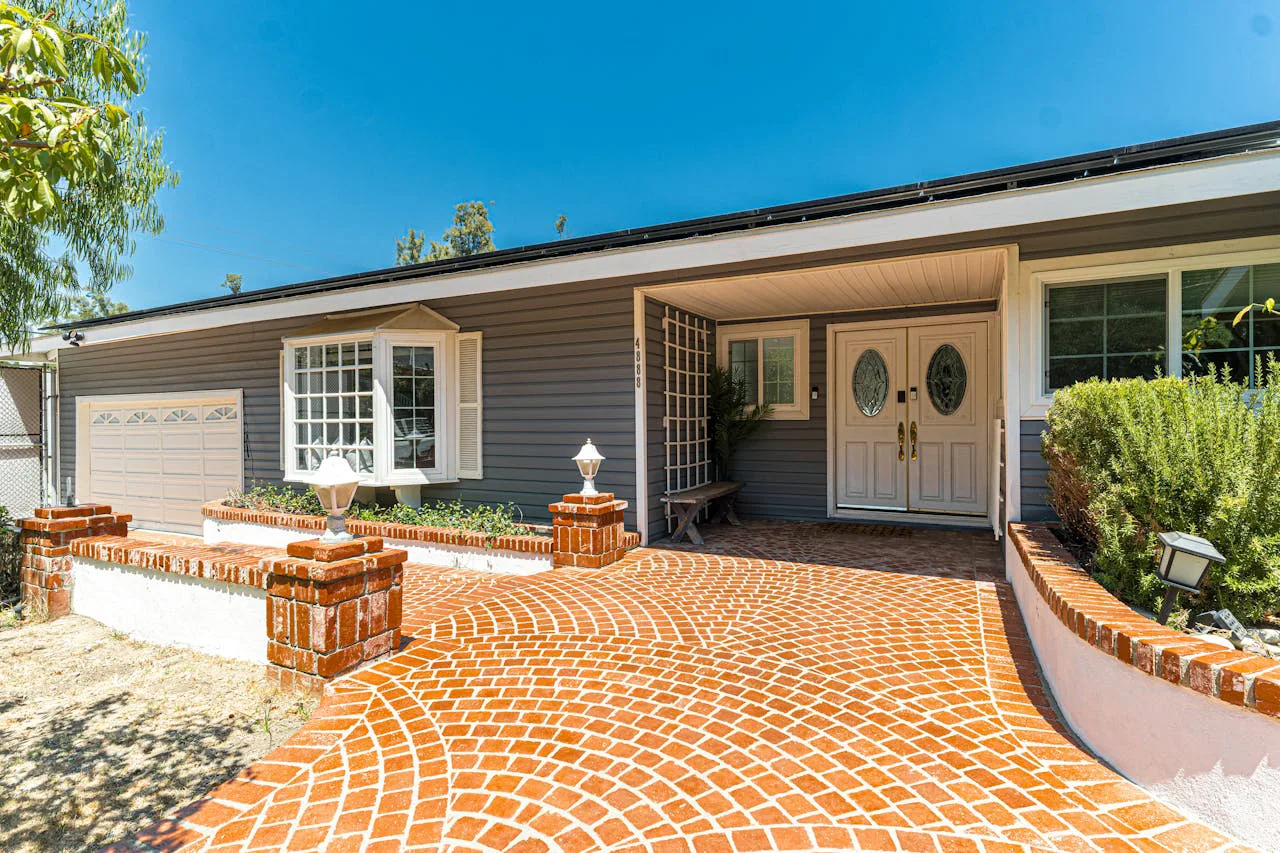
The roof doesn’t usually demand attention until it’s already compromised. But small visual checks, especially after storms or heavy winds, can reveal early signs of wear. A slipped tile, a patch of moss, or a cracked flashing might not seem urgent, but left unattended, they create entry points for water. You don’t need to climb up there yourself. Even a ground-level check with a careful eye can pick up irregularities. Spotting issues early means repairs stay small, localised, and affordable.
Sealing the Gaps That Invite Problems
Properties naturally shift over time. Temperature changes, settling foundations, and material expansion all contribute to small gaps forming around windows, doors, and external joins. These gaps do more than let in a draft. They allow moisture, insects, and even rot to begin their work. Resealing edges with appropriate materials, whether it’s caulk, weather stripping, or sealant, can dramatically extend the life of those structural elements. It’s a quiet kind of maintenance. You notice it most when it’s not done.
Managing Vegetation Before It Manages You
A well-kept garden can enhance a property, but unchecked growth can do the opposite. Tree roots can interfere with foundations and drainage systems. Climbing plants, while visually appealing, can trap moisture against walls or work their way into cracks. Regular trimming, thoughtful planting, and keeping a clear perimeter around the building helps maintain airflow and visibility. It also makes it easier to spot issues early – cracks, damp patches, or pest activity are far harder to see when hidden behind overgrowth.
Maintaining Airflow and Ventilation
Stale, trapped air is a breeding ground for moisture-related problems. Good ventilation keeps a property dry, balanced, and far less susceptible to mold and decay. Something as simple as regularly opening windows, checking vents aren’t blocked, and ensuring extractor fans are working properly can make a noticeable difference. In lofts and underfloor spaces, ventilation is especially important – these hidden areas often suffer the most from neglect.
Testing What You Rarely Think About
There are systems in a property that quietly do their job until they don’t – smoke alarms, carbon monoxide detectors, boiler pressure systems, and even water shut-off valves. Setting aside a small window of time every few months to test and check these elements ensures they’re ready when needed. It’s not glamorous work, but it’s foundational to both safety and long-term property health.
Cleaning Isn’t Just Cosmetic
It’s easy to think of cleaning as purely aesthetic, but it plays a protective role too. Dirt, grime, and organic buildup can degrade materials over time. Algae on walls, for instance, can trap moisture. Blocked paving joints can lead to pooling water. Regular cleaning – whether it’s pressure washing paths, wiping down surfaces, or clearing out corners where debris gathers – helps preserve materials and prevent slow deterioration.
Addressing Small Repairs Immediately
One of the most effective habits in property care is simple: don’t wait. A loose hinge, a small crack, a minor leak – these are easy to postpone because they don’t feel urgent. But they rarely stay that way. Small issues tend to compound, especially when they interact with other elements like moisture or temperature changes. Fixing things while they’re still minor keeps them contained. It also prevents the kind of chain reaction where one issue quietly leads to another.
Keeping Records and Staying Aware
There’s value in knowing your property, not just how it looks, but how it behaves over time. Keeping a basic record of maintenance, repairs, and inspections builds a clearer picture of patterns. You start to notice things: which areas need more attention, how seasonal changes affect certain parts, what tends to wear faster than expected. That awareness turns reactive maintenance into proactive care.
The Long View
Protecting a property for the future isn’t about perfection. It’s about consistency. Most serious property issues don’t appear overnight. They develop slowly, often invisibly at first, built from a series of small oversights. The same is true in reverse – long-term protection is built from small, repeated actions that quietly hold everything together. Clearing a gutter, sealing a gap, trimming a branch, checking a roofline – none of these feel significant in isolation. But together, they form a kind of ongoing stewardship.