The custom Ford Bronco market has grown significantly since the nameplate returned in 2021. This guide covers the three most compelling custom Bronco build types available for purchase today what defines them, what they cost to produce, and who they are right for.
Build Type 1: The Trail-Ready Modern Bronco
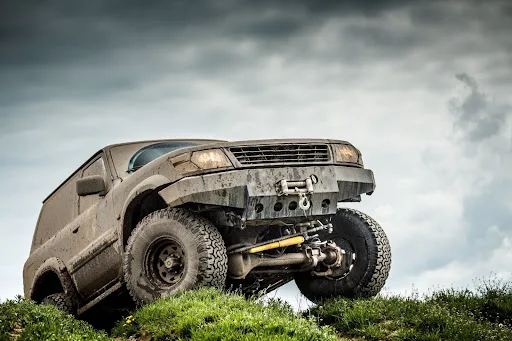
This is the most common custom build type. A modern Bronco typically a Badlands or Outer Banks trim — taken to a suspension and off-road specialist and built out for serious trail use. Defining characteristics of a quality trail build include:
- A 2.5- to 4-inch lift with corrected geometry and quality shock absorbers
- 37-inch all-terrain or mud-terrain tires on beadlock-capable wheels
- Front steel bumper with an integrated winch rated to at least 10,000 lbs
- Rock sliders with proper frame mounting
- Underbody skid plates covering the fuel tank, transfer case, and front differential
A Badlands with the Sasquatch Package is the preferred starting point for this build type because it already includes locking differentials and an upgraded 4×4 system. Adding trail-specific hardware on top of that factory capability creates a vehicle that can handle technical terrain without fundamental mechanical compromise.
Build Type 2: The Bronco Raptor Custom
The Ford Bronco Raptor arrives from the factory with more performance hardware than most buyers will ever use 418 horsepower, FOX 3.1 Live Valve shocks, 37-inch tires, and a wider track than the standard Bronco. Custom builds starting from the Raptor platform focus less on adding capability and more on refining it.
Raptor-based custom builds typically include:
- Exterior graphics and color packages that distinguish the build from a stock Raptor
- Interior upgrades including premium seating, sound deadening, or custom trim
- Auxiliary lighting and roof rack systems optimized for overlanding
- Winch integration designed to work with the Raptor’s existing front-end structure
The Raptor is only available as a four-door, making it the stronger choice for buyers who need rear seating and cargo capacity alongside performance. Custom builds on the Raptor platform run at a significant premium over Badlands-based builds, but the factory performance foundation justifies the starting price for buyers who want maximum capability out of the box.
Specialty dealers with dedicated custom Ford Bronco collections often carry Raptor-based builds alongside standard custom Broncos, making it easy to compare both platforms before committing.
Build Type 3: The Vintage Restomod
First-generation Ford Broncos built between 1966 and 1977 occupy a different category entirely. These are restored and modernized versions of one of the original American off-road vehicles. The best restomod builds retain the classic body lines of the original while upgrading the drivetrain, suspension, and interior to modern standards.
What separates a quality vintage restomod from a rough restoration:
- A rebuilt or crate engine commonly a modern fuel-injected V8 — rather than a patched original
- Four-wheel disc brakes instead of original drums
- Power steering conversion
- Modern upholstery and interior surfaces with weatherproofing
- Documented chassis work and rust remediation with photographic records
Vintage Broncos built to this standard are rare and command prices that reflect the labor involved. A properly executed restomod can run anywhere from $80,000 to well over $150,000 depending on the starting condition of the donor vehicle and the depth of the build.
Dealers like FL Auto Sales Group source and carry vintage Bronco builds alongside modern custom trucks, giving buyers an opportunity to evaluate both categories in one place rather than tracking down private sellers separately.
How to Compare Builds Across Types
Evaluating builds across these three categories requires different criteria for each. For trail-ready modern builds, focus on suspension quality, component documentation, and whether the lift and tire combination is properly matched. For Raptor customs, the evaluation shifts to build aesthetics, interior quality, and how cleanly the added components integrate with the factory systems. For vintage restomods, provenance and documentation matter most.
Regardless of build type, the clearest indicator of quality is how well the seller can answer detailed questions about what was done, by whom, and with what parts.