Mold can make a home for itself in plenty of surprising places, including your home. Unfortunately, mold can be unsightly and, in some cases, it can be damaging to your home and your health. Mold releases spores that we can’t see or detect, but that we can breathe in. Some molds are more dangerous than others, but any mold can present a problem.
Mold thrives in humid conditions and, if left untreated, can spread very quickly. This article will provide a quick overview of what mold is, how it occurs, and how you can deal with it.
Why You Should Remove Mold
The most benign reason to remove mold is that it looks bad. You want to feel comfortable at home, and you want it to look nice. Mold looks unclean and unpleasant, and if it’s in a very visible area, you want to get rid of it quickly.
But there are more serious reasons to get rid of mold and act quickly. Mold is alive, which means that it spreads. It can cause damage to your property as it does so, or even if it doesn’t cause direct damage, the presence of mold often means your house is too humid. This can create issues for the structure of your home as well as the items inside it.
Finally, and most importantly, mold can cause health problems. Even relatively harmless and non-toxic mold can have an allergic effect. If you or someone else has asthma or hay fever, mold can cause irritation. Some molds are toxic, which means they can make your family members unwell, and other molds are pathogenic, which means they cause specific illnesses.
Illnesses or toxic reactions caused by mold can be serious and potentially life-threatening, especially among people with weaker immune systems. Even mold that you can’t really see, perhaps in cupboards or other areas, can cause issues as your family is exposed to it for a long time.
The Common Types of House Mold
One of the first things you want to work out is what kind of mold is in your home. As a general rule, there’s no such thing as a good mold. But some molds are more benign than others, and others present a more serious threat to your health.
The most common types of mold in your home, as well as what they look like and how serious they are, are as follows:
- Chaetomium. Common in water-damaged homes. Starts as a fuzzy white growth, then turns into black mold. Can trigger asthma.
- Stachybotrys (commonly known as black mold). Common in damp areas and ventilation systems. Appears as black mold. Toxic and too dangerous for home remedies.
- Trichoderma. Grows in moist areas with an organic medium. Green in color. Can be toxic.
- Alternaria. Usually found in bathrooms and around windows. Can appear in a variety of colors, like white, green, blue, and dark brown or black. Can cause allergic reactions.
- Ulocladium. Found in wet places and near appliances. Black in color. Not too dangerous, but can trigger asthma.
- Serpula (known as dry rot). Found in wooden structures. Not dangerous to humans, but it will destroy wood even without a lot of moisture.
- Mucor. Found in water-damaged areas and water-logged carpets. White or gray mold, appears fuzzy. Most species aren’t too dangerous, but some species can cause severe infections.
- Aspergillus. Found in HVAC systems. White or blueish in color. It can cause potentially dangerous fungal infections, respiratory irritation, and has even been linked to cancer.
- Penicillium. Found in moist areas. Blue-ish green in color. Can trigger asthma.
- Aureobasidium. Found underneath wallpaper and paint. Can appear in many colors. May trigger asthma.
While all of these molds should be removed as soon as possible, some can be removed with home remedies. Other molds are too dangerous, and you need to call a specialist. If you’re not sure or if the mold is widespread, you should get in touch with a professional like Verified Remediation. If someone in your house falls ill, identifying the mold can help with their treatment.
Home Remedies for Mold
There are some types of mold that you can remove yourself. It’s important to note that just wiping mold away might not get rid of the problem, because the invisible parts of the mold are still there.
First, wear protective equipment. Gloves are an absolute must, and goggles and a mask can also protect you from spores. Open the windows for ventilation, especially when disinfecting.
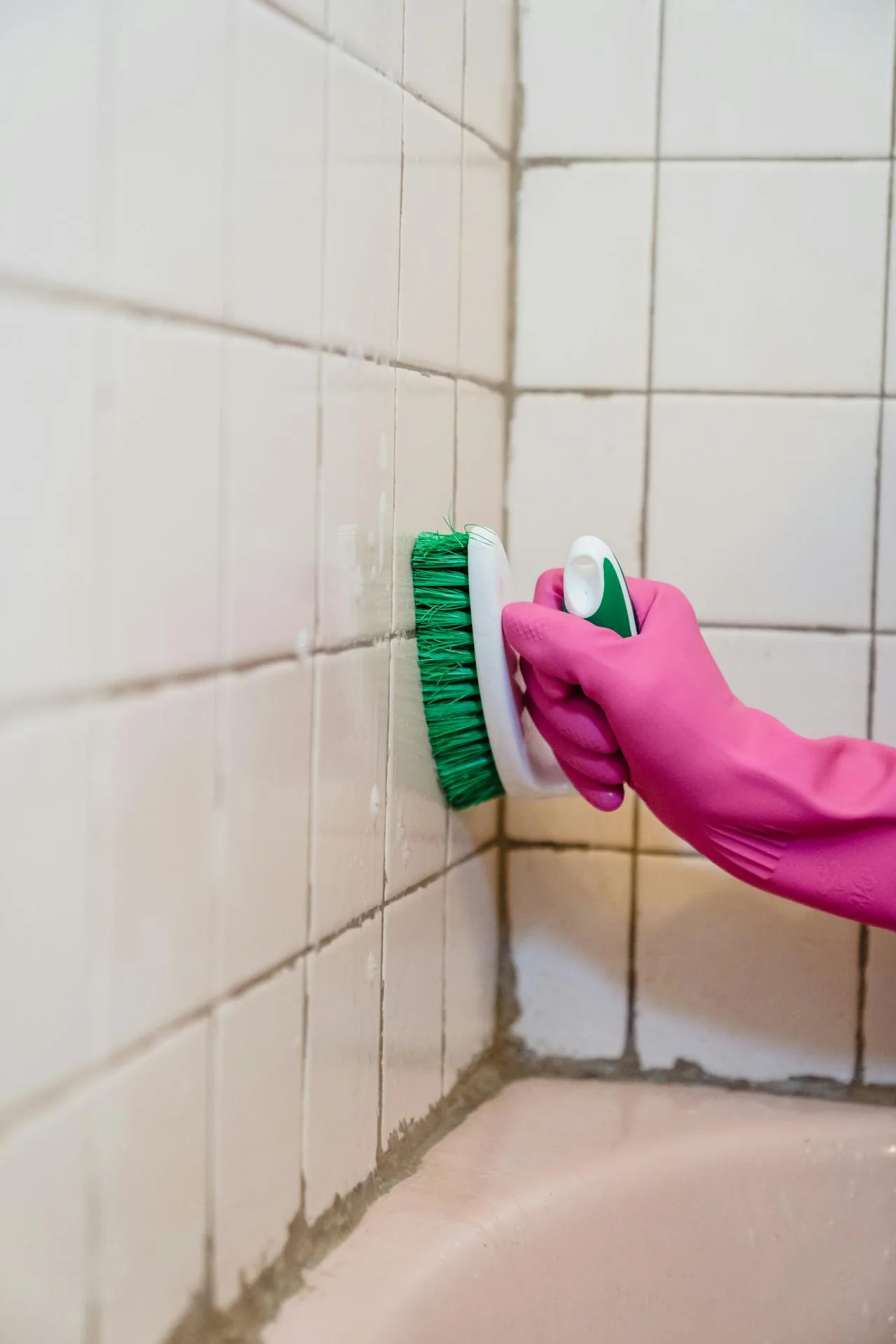
Then clean the affected area using a brush and hot, soapy water. Don’t use ammonia-containing detergents. Once it’s clean, wipe liquid away and rinse the area with clean water before drying thoroughly. Drying is a necessary step because, if we remember, mold loves water.
Once the affected area is clean and you can’t see any mold, wipe it down again with a mixture of bleach and water. This will disinfect it and hopefully get rid of any spores you can’t see. As always, dry it.
If mold gets into carpets and mattresses, you might need to chuck them out because they can’t be effectively cleaned. Smaller fabric items can be washed clean in the washing machine.
Preventing Mold in Your Home
The best cure is always prevention, and this applies to mold as well.
The easiest way to prevent mold is to make your home less welcoming to it. Do everything you can to keep your home as dry as possible, such as using a dehumidifier. This is especially important if you dry clothes inside, as the laundry room can easily get damp.
Make sure your HVAC system is regularly maintained, as this prevents mold from building up inside the system where you can’t see it. Mold inside AC and ventilation systems can cause major health problems.
If you have condensation in your home, make sure it’s well ventilated. If you have a shower or you cook something in the kitchen, open a window to allow steam to release and to keep your home dry.