The American energy sector produces 16% of the world’s energy and keeps the country moving, but the men and women on the front lines face extreme daily hazards. Oilfield jobs require heavy machinery, high-pressure systems, and intense physical labor, creating an environment where a single misstep can alter a life forever. Understanding these hidden risks is the first step toward improving safety culture and protecting human lives.
The Reality of High-Risk Energy Environments
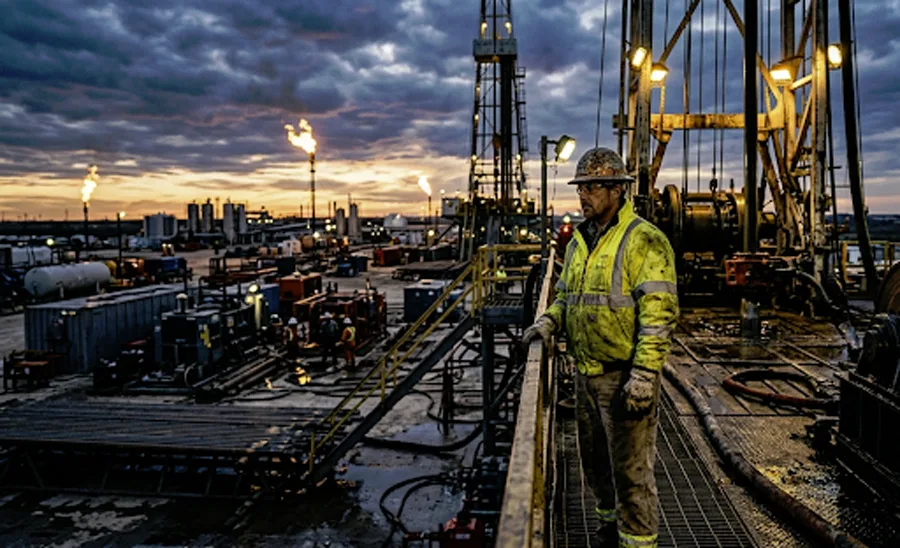
The oil and gas industry inherently operates under immense physical and atmospheric pressure. Workers deal with massive mechanical forces, highly flammable materials, and volatile weather conditions on a daily basis.
Despite strict regulatory frameworks, federal data shows that 92 fatalities occurred in mining, quarrying, and oil and gas extraction during a single tracking year. This high mortality rate highlights the continuous danger faced by crews on both drilling rigs and production sites.
When an incident occurs on a remote lease or offshore platform, the consequences are rarely minor. Catastrophic injuries, severe burns, and toxic chemical exposures require specialized medical intervention and long-term rehabilitation.
Navigating the aftermath of a major field accident can overwhelm a family, especially in states like Texas, where the oil industry is a significant employer, making it essential to secure dedicated, local representation for oilfield accident victims to manage medical bills and lost wages. A specialist legal team can provide all the support you need, no matter the severity of the incident.
Primary Hazards on the Modern Oilfield
Field operations involve an intersection of heavy logistics and volatile chemical processes. While tracking data over the long term shows a decline in overall workplace deaths, historical trends from the CDC tracking of 470 industry-specific deaths show that transport incidents and contact with equipment remain the top threats to workers. Crews must maintain constant vigilance against these shifting field hazards.
Safety managers generally categorize the most frequent oilfield dangers into three main areas:
- Motor vehicle crashes during long transits to remote well sites
- Caught-between incidents involving rotating machinery and heavy drill pipe
- Fires and explosions triggered by released hydrocarbons or vapor clouds
Eliminating these risks requires rigorous adherence to safety protocols, properly maintained equipment, and a company culture that empowers workers to halt operations when a hazard is identified.
Crucial Steps Following a Workplace Incident
When a failure occurs on a job site, the immediate response dictates the trajectory of the worker’s physical and financial recovery. The chaos of a blowout or equipment failure can cause confusion, but following an established protocol is vital for protecting baseline rights.
First, obtaining immediate medical attention from qualified professionals must be the absolute priority, even if injuries seem minor at first. Internal trauma or toxic gas inhalation may not display obvious symptoms right away.
Second, the incident must be formally reported to supervisors to establish an official documentation trail. Finally, preserving physical evidence and gathering witness statements from the scene ensures that the true cause of the failure is accurately recorded before the site is altered. And if all this makes you rethink your career choices, you can always make a fresh start.
Prioritizing Long-Term Workforce Protection
True safety in the energy sector goes beyond checking boxes on a compliance form. It requires operators to invest heavily in modern equipment maintenance, comprehensive crew training, and transparent incident reporting. When companies cut corners to meet production deadlines, the workers in the field pay the price.
Building a safer industry means holding negligent operators accountable and ensuring that injured crews receive the comprehensive support needed to rebuild their lives. To learn more about the world of work and your legal rights in all sorts of scenarios, explore our library of other posts.