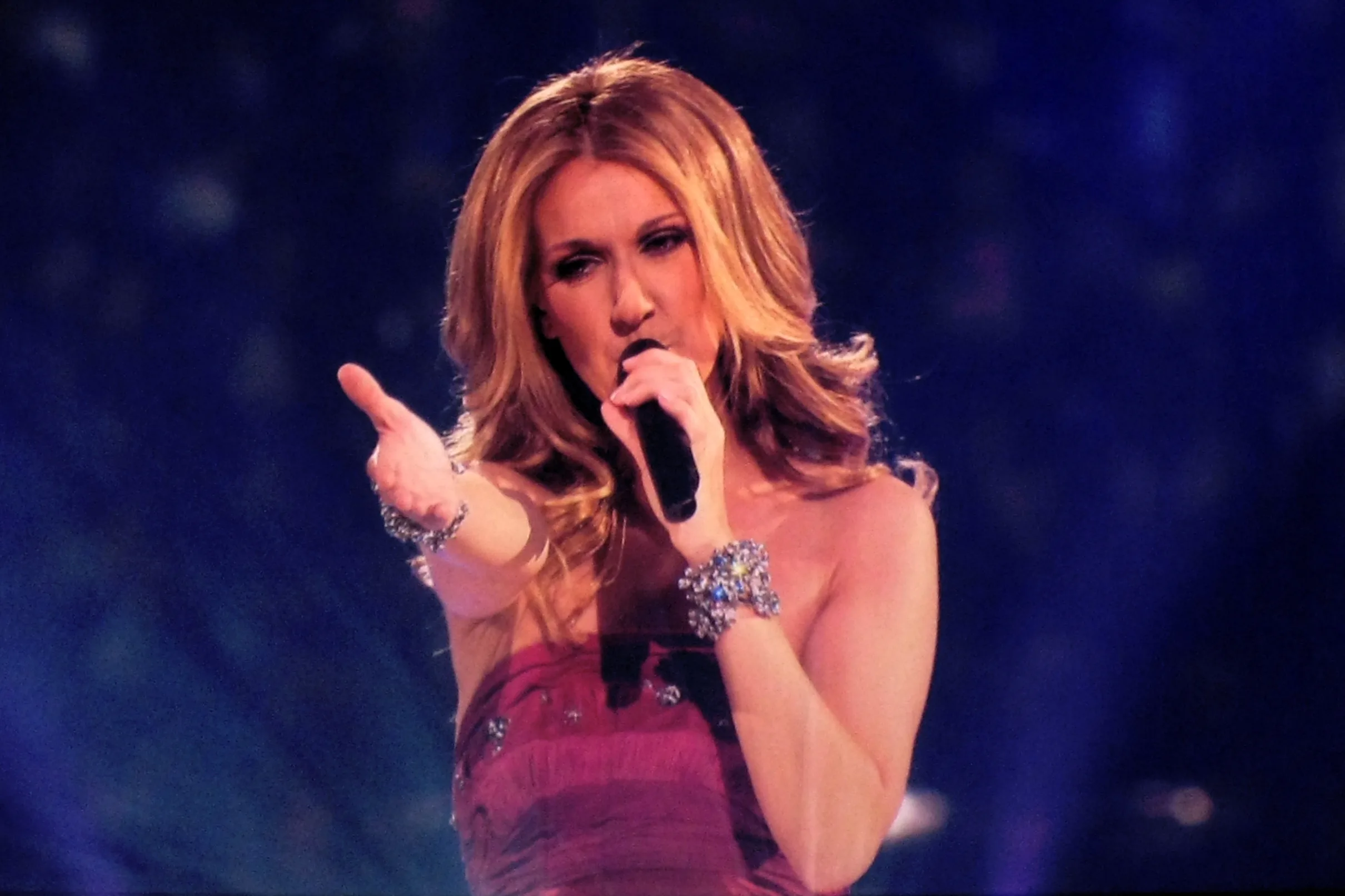
Reuters reported that the first announcement came on Dion’s birthday and marked her return to the stage in Paris after the unforgettable performance in the Summer Olympic Games in the city of arts and fashion, while French coverage quickly showed that demand had moved past normal concert excitement and into full event status. By the time the wider sale unfolded, the idea of a ticket had already grown beyond simple entry. It had become a chance to witness a return that many fans felt would not come around twice.
Why the math feels bigger than luck
The easiest way to understand the Paris rush is to look at it through the language of odds. Some post-sale reports framed the real shot at success as below 1 percent for many hopeful buyers, and the broader reporting helps explain why that idea spread so fast. Around nine million people registered for access, while French press later reported that roughly 480,000 tickets were ultimately put on sale across the full 16-date run. Once lotteries, waiting lists, date choices, and shared seat plans entered the picture, the whole process stopped feeling like a standard on sale and started feeling like a long-shot draw.
Less than the chances in a casino game
To understand how outstanding the situation is, just consider the fact that in probability-based games of casinos, chances can be higher. Those who play online blackjack games, may know that in a natural blackjack, it’s about 4,5% or about 1 in 21. So you’re roughly 11 times more likely to be dealt a blackjack than to score a Celine Dion ticket.
Here is how the game itself works to make sense of the data:
- Number cards keep their value
- face cards count as 10
- the ace can shift between 1 and 11
- the dealer follows fixed rules
- the player can hit, stand, double down, or split
The action moves quickly, but the logic stays visible.
That visibility is what makes the comparison so sharp. In blackjack, even a dramatic outcome like being dealt a natural 21 shows up often enough to feel real. The chance is just under 5 percent, which is already far better than a sub-1-percent shot at landing one of the most wanted Paris seats. A player can study patterns, learn stronger decisions, and understand why one move gives better value than another. In online blackjack, the numbers never disappear. The player may not control the next card, but the frame of the game stays stable.
The shift to digital entertainment has also changed how people interact with games of chance. With gaming on smartphones, players can access games and betting experiences from almost anywhere, making convenience a major part of the modern gambling landscape. That accessibility has helped blur the line between traditional gambling, online gaming, and the broader entertainment economy.
Why the ticket rush felt less predictable than the game
The Céline Dion sale did not feel stable. It felt compressed by scale and emotion at the same time. That is why the blackjack comparison works. A card game that people usually link with chance still offered clearer odds, clearer choices, and more repeatable outcomes than the scramble to get into Paris this September and October. In case of losing the chance, both gamers and Celine Dion fans in this case, will have the identical reaction though:
View this post on Instagram
Why Paris turns one residency into a city event
The numbers around the residency show why these dates have become bigger than a normal concert run. Paris is not only hosting a singer. It is hosting a six-week cultural moment that lands on a steady rhythm of Wednesday, Friday, and Saturday nights, which makes the trip easy to build around.
| Measure | Current picture |
| Residency window | September 12 to October 17, 2026 |
| Show pattern | Wednesdays, Fridays, and Saturdays at 7:30 p.m. |
| Total dates now scheduled | 16 |
| Earlier audience forecast | 450,000 spectators across the original 10-show plan |
| International share in that forecast | 30% |
| Earlier regional impact estimate | €180 million to €300 million |
| Earlier split of spending | €50 million to €70 million in ticketing and €75 million to €110 million in local spending |
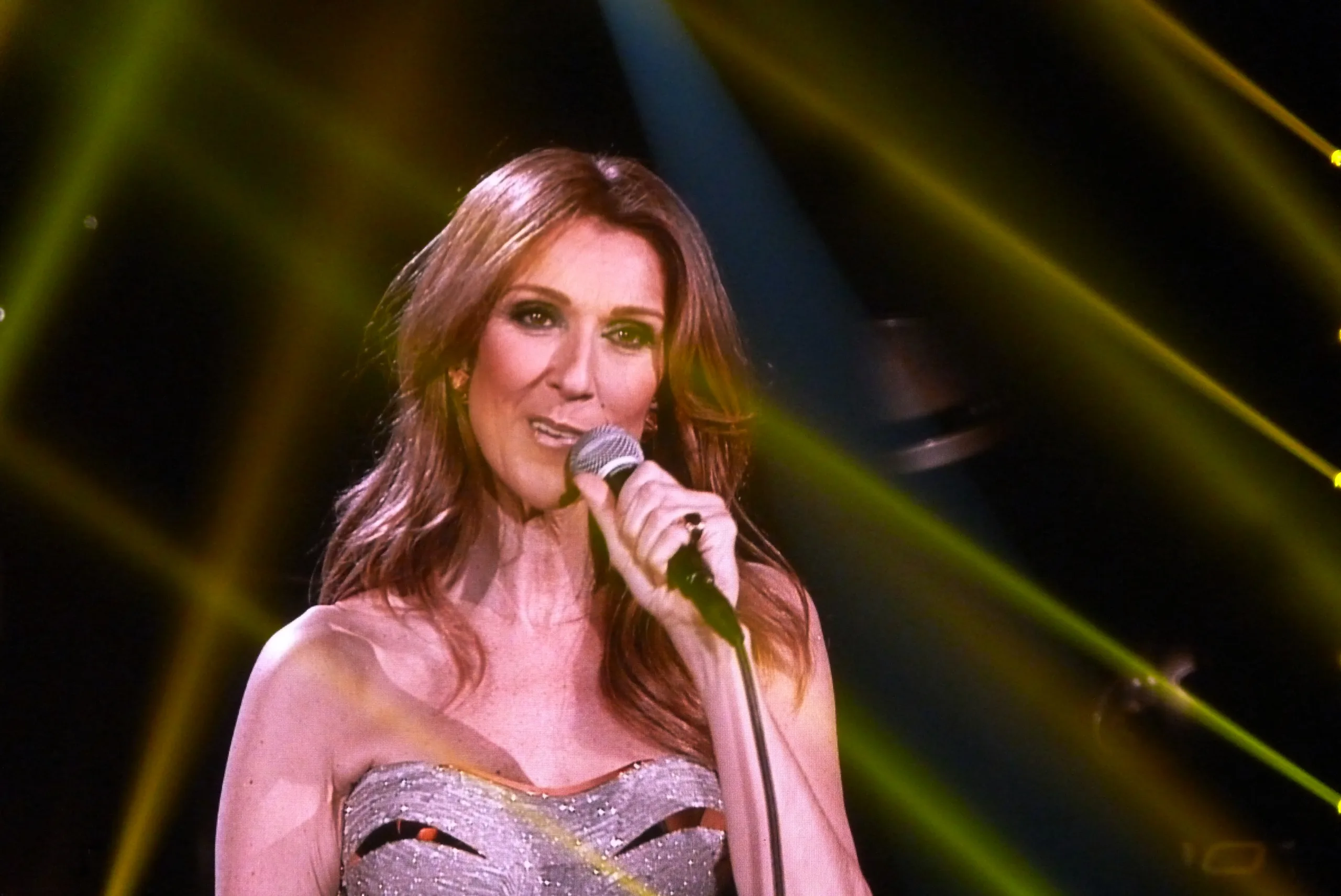
Even though that earlier forecast was made before the number of shows grew from 10 to 16, the main idea is still clear. The ticket is only one part of what people are buying. Paris adds the rest:
- the chance to turn one big concert into a longer trip,
- the ease of planning a weekend around the show,
- and the special feeling of being in Paris for a famous return.
That helps explain why demand grew so fast. These concerts become a reason for people to travel, spend money, and make memories.
How one ticket becomes a travel signal
The strongest proof that these tickets now carry more than face value comes from the travel data around them. AFP reporting said Dion’s Paris run could bring an extra €300 million to €500 million into the city. The same report said about half a million fans are expected across the concerts, with roughly one third coming from overseas.
It also noted a 49 percent rise in searches for Paris around the concert dates, while one hotel group in La Défense saw bookings jump by 400 percent. That is not the shape of a simple night out. It is the shape of destination travel. As Vanessa Heydorff told AFP, “Major musical events are a driver of travel.” That line gets to the heart of the Céline Dion story in Paris. Fans are not only buying a performance. They are buying timing, atmosphere, and the chance to tie one rare show to one of the world’s most magnetic cities.
In that sense, the ticket has become a marker of presence as much as admission. It says you were there for a rare return, in the city that could turn that return into something larger than music alone.
FAQ
Why are Céline Dion’s Paris tickets so hard to get?
Because demand is extremely high, and many fans see these shows as a rare return they do not want to miss.
When are the Paris concerts happening?
They are scheduled from September 12 to October 17, 2026.
Why are these concerts bigger than a normal show run?
Because they are driving travel, hotel bookings, and wider excitement across Paris, not just concert sales.
How many Céline Dion Paris concerts are scheduled?
There are 16 concerts currently planned for the Paris run.