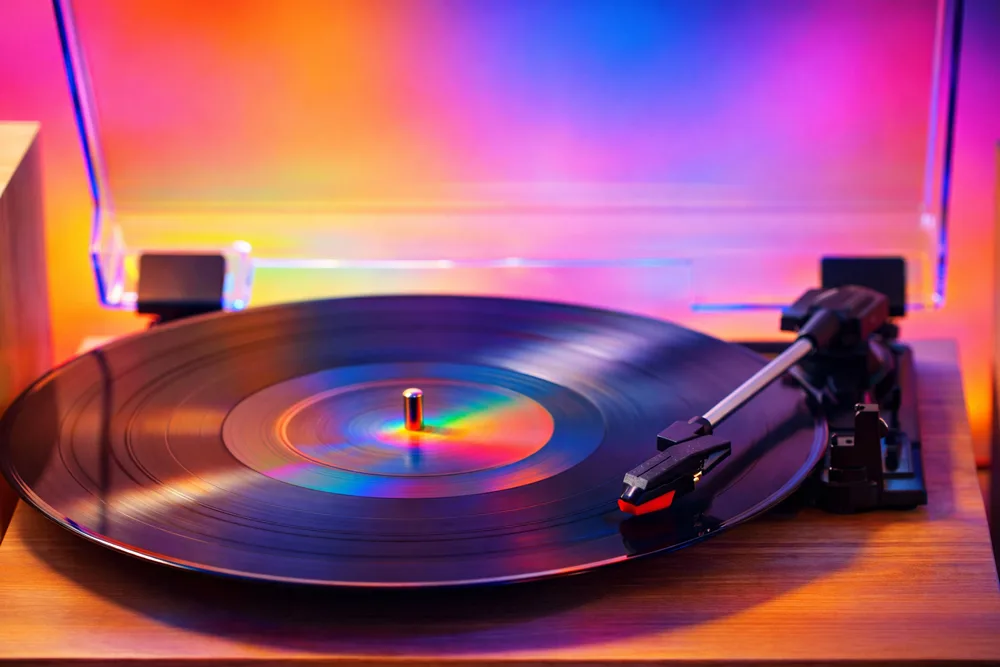
Vinyl records have moved far beyond nostalgia. What was once considered a relic of the past is now a defining feature of modern music culture. From audiophiles chasing warm analog sound to casual listeners seeking a more intentional way to enjoy music, vinyl has carved out a permanent place in today’s entertainment landscape.
But as the format grows in popularity, so does the temptation to collect aimlessly—buying records for the sake of owning them rather than curating something meaningful. A modern vinyl collection isn’t about quantity. It’s about identity, taste, and experience. Here’s how to build a record collection that actually matters.
Start With Music That Defines You
The foundation of any great collection is personal connection. It sounds obvious, but it’s easy to lose sight of this when you’re bombarded with “must-have” lists and trending releases.
Instead of chasing what’s popular, focus on albums that shaped your taste. Think about the records you can listen to front-to-back without skipping a track. These are the ones worth owning on vinyl. The format rewards full-album listening in a way streaming rarely does.
Your collection should feel like a reflection of your life—your phases, your memories, your influences. If someone flipped through your records, they should learn something about you.
Prioritize Albums Over Singles
Vinyl is an album-first medium. While singles and novelty pressings exist, the real magic lies in cohesive records designed to be experienced as a whole.
When building your collection, lean toward albums with strong storytelling or sonic continuity. Classic rock, jazz, hip-hop, and even modern indie releases often shine brightest in this format because they were crafted with intentional sequencing.
Owning albums that reward uninterrupted listening elevates your collection from a random assortment to a curated experience.
Invest In Quality Pressings
Not all vinyl is created equal. Pressing quality can dramatically affect how a record sounds, and serious collectors know the difference.
Look for:
- Reissues from reputable labels
- 180-gram pressings (often, though not always, higher quality)
- Remastered editions with clear production notes
- Reviews from other collectors
That said, don’t fall into the trap of chasing perfection. A slightly imperfect pressing of an album you love is still more valuable than a pristine copy of something you rarely play.
Balance Classics With Modern Releases
A strong collection bridges eras. While it’s tempting to focus entirely on vintage classics, modern artists are releasing incredible vinyl-worthy albums right now.
Mixing older records with contemporary releases keeps your collection dynamic. It also helps you stay connected to evolving music culture rather than treating vinyl as purely retro.
Many newer pressings also come with creative packaging, colored vinyl, and limited editions, adding another layer of appeal for collectors.
Build A Relationship With Your Records
Streaming has conditioned us to treat music as disposable. Vinyl demands the opposite.
When you put on a record, you’re committing to the process—taking it out of the sleeve, placing the needle, flipping sides. This ritual creates a deeper connection with the music.
To build a meaningful collection:
- Spend time listening without distractions
- Read liner notes and study album artwork
- Revisit records instead of constantly buying new ones
A smaller collection you truly engage with is far more valuable than shelves of untouched vinyl.
Create A System That Works For You
Organization might not sound exciting, but it’s essential for maintaining a collection that feels intentional rather than chaotic.
Common methods include:
- Alphabetical by artist
- Genre-based sections
- Chronological by release year
- Personal ranking or mood-based grouping
There’s no right answer—just choose a system that makes it easy to find what you want and encourages you to revisit records you might otherwise forget.
Be Selective With Your Purchases
Impulse buying is one of the biggest pitfalls in modern vinyl collecting. Limited drops, colored variants, and social media hype can push you into buying records you don’t truly care about.
Before purchasing, ask yourself:
- Will I actually listen to this regularly?
- Does it add something new to my collection?
- Do I already own something similar?
Being selective doesn’t limit your collection—it strengthens it.
When you do decide to expand, it’s easier than ever to shop vinyl records online and discover both classics and hidden gems without spending hours digging through bins.
Don’t Ignore The Setup
Your records are only as good as the system you play them on. While you don’t need to spend a fortune, investing in a solid turntable, speakers, and basic maintenance tools makes a noticeable difference.
At minimum, consider:
- A reliable turntable with adjustable tracking force
- Quality speakers (not just built-in turntable output)
- A record cleaning brush or kit
Good equipment enhances the listening experience and protects your collection over time.
Embrace The Hunt—But Define It
Part of vinyl’s appeal is the thrill of discovery. Whether you’re browsing local shops, record fairs, or online stores, the hunt adds excitement to collecting.
But without direction, it can also lead to clutter.
Define what you’re hunting for:
- Completing a specific artist’s discography
- Exploring a particular genre
- Finding original pressings of favorite albums
- Discovering underrated records
Having a purpose keeps the hunt satisfying rather than overwhelming.
Let Your Collection Evolve
Your taste will change—and your collection should reflect that.
Don’t be afraid to:
- Sell or trade records you no longer connect with
- Upgrade to better pressings of albums you love
- Explore genres outside your comfort zone
A meaningful collection isn’t static. It grows with you, adapting to new interests while preserving the records that still resonate.
Focus On Experience Over Ownership
At its core, vinyl collecting isn’t about owning objects—it’s about creating experiences.
It’s the sound of a needle dropping on a quiet evening.
It’s rediscovering an album you haven’t heard in years.
It’s sharing music with friends in a way that feels tangible and intentional.
When you shift your mindset from “collecting things” to “curating experiences,” your record collection becomes something far more valuable than a shelf of albums.
Conclusion
Building a vinyl collection that actually matters doesn’t require rare pressings or massive spending. It requires intention. By focusing on music that resonates, investing in quality where it counts, and engaging with your records on a deeper level, you create a collection that’s not only impressive—but personal.
And that’s what makes it worth spinning.