Warehouses, often a synonym for towering shelves, forklifts, and endless rows of products.
If you’re running one yourself, you know that there’s much more happening behind the scenes. Every shipment, stock movement, and order depends on dozens of processes working in perfect sync.
When that sync breaks, the effects spread everywhere.
Luckily, there are many ways to keep this chaos controlled, thanks to different warehouse tools and equipment that help you upgrade the facility. As small as some might seem, these upgrades can often deliver results that outweigh far more expensive investments.
Keep reading to learn more.
Material Handling Equipment
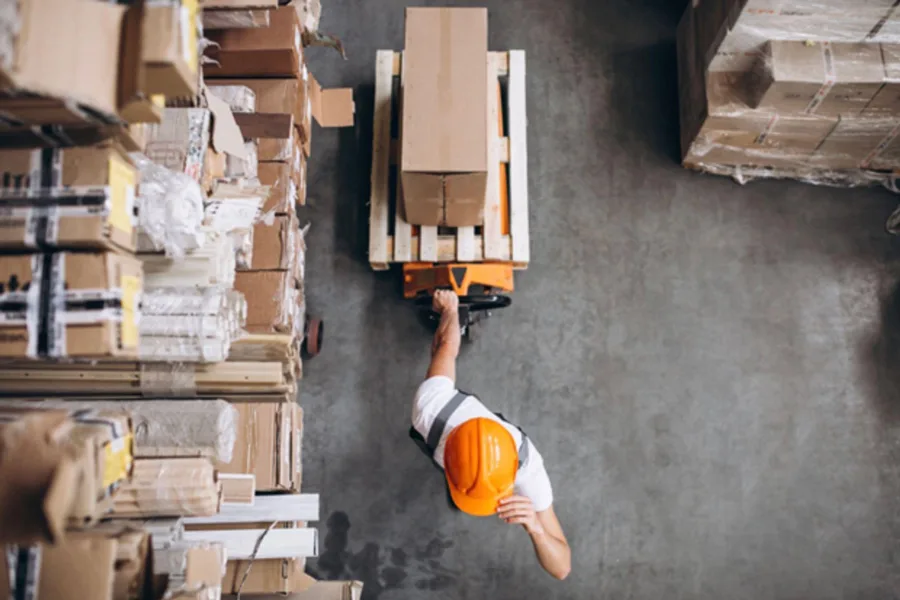
Old forklifts, pallet jacks, and lifting equipment, in addition to being inconvenient, often cost more than they appear to. They come with breakdowns, repair bills, and unexpected downtime, and it all adds up.
When it’s time to replace aging equipment, don’t delay it, as it’s what keeps daily operations moving without constant interruptions.
Newer models make everything better — visibility, safety features, and controls. With them, employees can complete tasks with less strain, especially valuable during busy periods.
You don’t need to replace it all, though. Just figure out which equipment causes the most delays or requires too many repairs. Start there.
It’s usually something that’s used the most on a daily basis.
Barcode Scanners
It’s 2026, and there’s no need to deal with data entry manually. It only slows down the entire warehouse and leaves room for mistakes.
Instead, upgrade to a barcode scanning system, which helps eliminate many of those issues.
Employees can scan products at the very moment they’re received, moved, picked, or shipped. This method creates more accurate records and more visibility into stock movement throughout the facility.
Not to mention, it saves a lot of time compared to entering information manually into a computer, or worse, writing it down.
This is another upgrade useful during busy periods when order volume increases, and your team is under pressure. All it takes is a simple scan, and you’ll know that the right item is heading to the right location.
Source: modula.us
LED Lighting
More than just being an item on your electricity bill, lighting affects visibility, safety, and how comfortable employees feel during long shifts.
Considering that switching to LED fixtures is one of the simplest upgrades you can make, too many warehouses still rely on older lighting systems.
Those systems need frequent replacement and consume more power. Significantly more — the U.S. Department of Energy notes that LED lights use at least 75% less energy and can last up to 25x longer than incandescent lighting.
Everyone wins here: maintenance staff gets fewer interruptions, and you get lower operating costs over time.
It’s smart, it’s sustainable, and a relatively modest investment.
Storage Layout
Many warehouses run out of space, but not out of square footage. How is that possible?
Well, the issue is often the layout, not the building itself.
Every once in a while, have a detailed storage review to spot wasted areas, crowded aisles, and product locations that are not easily reachable. It’s another small adjustment that can make a real, noticeable difference.
For example, fast-moving items should be closer to packing stations and shipping areas. Slower-moving items can be placed in less accessible places.
Upgrading your layout can also improve traffic flow for forklifts and pallet jacks. When equipment and employees have properly defined paths, there is less confusion and fewer delays.
Loading Dock Equipment
The area where products enter and leave your warehouse, the loading dock, needs to be upgraded. If not, or if it’s poorly equipped, there could be delays that affect the entire operation.
By “upgraded”, we mean dock levelers, vehicle restraints, dock seals, and high-speed doors, everything that helps create a smoother flow of goods.
Employees can load and unload trucks more quickly while maintaining safer working conditions.
These improvements also protect products from weather exposure and reduce wear on equipment used near the dock.
When it’s peak season, even what seems like a tiny delay can create serious backups.
Inventory Management Systems
Keeping track of stock can be very inefficient if done manually. Missing products? Inaccurate counts? Delayed updates? Both workers and customers feel frustrated.
There’s a smarter way: inventory management systems. They provide instant visibility into your warehouse inventory, so it’s easier to know what’s in stock, where products are located, and when replenishment is needed at all times.
If you want to access current information whenever you need it, manual counts and spreadsheets won’t get you there.
Thanks to these systems, you can also spot trends that might otherwise go unnoticed. Identifying slow-moving products, watching stock levels more accurately, and making better purchasing decisions all make a difference.
And although small warehouse upgrades rarely get the same attention as major expansions and large purchases, they often produce results that employees see immediately.
There’s no need to commit to a costly project. Just check your daily processes and find the starting point.