Your roof is easy to ignore until it starts acting like it wants attention through leaks, missing shingles, or suspicious stains on the ceiling. If you’re trying to figure out what a replacement might cost, the answer depends on more than square footage. In places like Vancouver, Washington, weather patterns, moisture exposure, and local labor rates all shape the final bill. Once you know what affects pricing, the numbers stop feeling random and start making sense.
Your roof size sets the baseline, but it’s not the whole story
The first thing contractors look at is size. Roofing is often priced by the “square,” which equals 100 square feet. A larger roof needs more shingles, underlayment, flashing, fasteners, and labor hours. That part is simple.
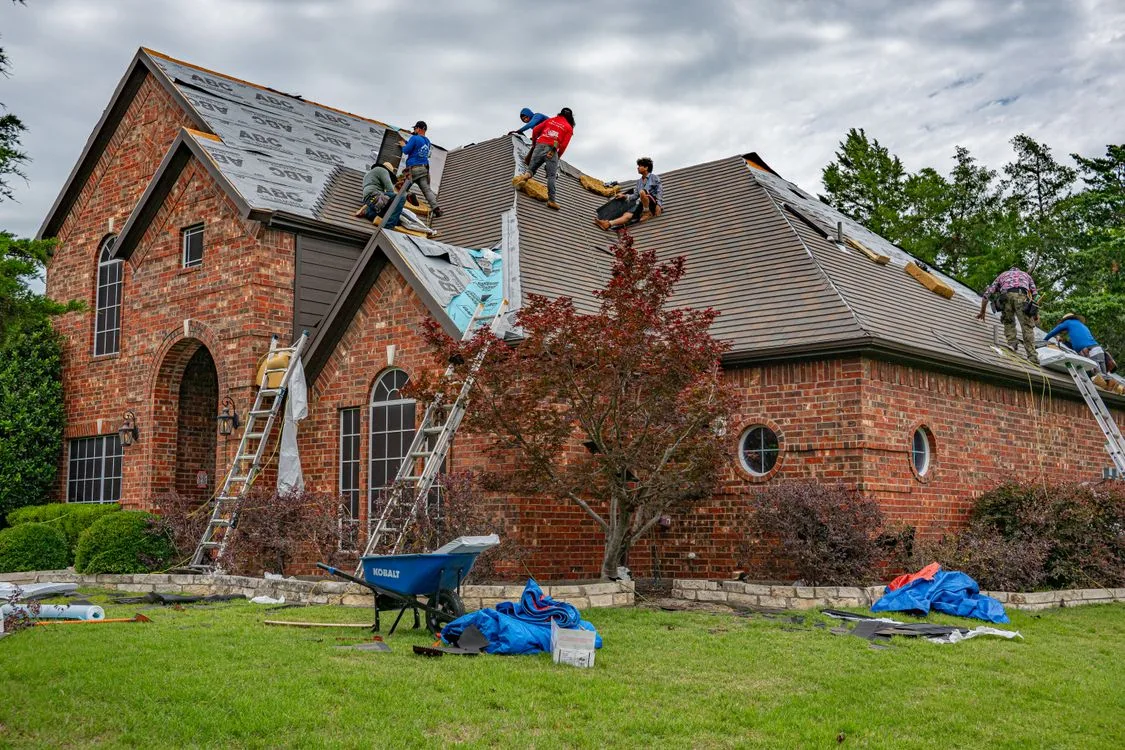
The less obvious issue is usable complexity. A 2,000-square-foot roof with one clean slope is much easier to replace than a roof with valleys, dormers, steep sections, skylights, and chimneys. Every feature creates more cutting, sealing, and installation time.
Pitch matters too. Steeper roofs require extra safety equipment and slower work, which can affect the roof replacement cost in Vancouver.
Material choice can swing the budget more than most people expect
Roofing materials have a huge effect on price, lifespan, and maintenance. Asphalt shingles are usually the most affordable and the most common, which makes them a practical choice for many homes. Architectural shingles cost more than basic three-tab options, though they often last longer and look better.
Metal roofing usually costs more upfront, but it can hold up well over time and may require less maintenance. Tile and slate sit at the higher end of the spectrum because they’re heavier, more specialized, and more labor-intensive to install. They also may require structural reinforcement, which is where budgets start sweating.
Don’t forget the small components. Underlayment, flashing, ridge vents, and ice and water shield can all affect total cost. Those items don’t get the glamour of shingles, but they do a lot of the hard work when rain shows up uninvited.
Tear-off, repairs, and hidden damage often change the estimate
A roof replacement estimate can look straightforward until the old roof comes off. That’s when contractors may find rotted decking, damaged fascia, mold issues, or signs of long-term moisture intrusion. None of that is fun, but all of it matters.
If your existing roof has multiple layers, removal will likely cost more because disposal becomes heavier and more labor-intensive. Dump fees, hauling, and cleanup are part of the project, even if they don’t get much attention during the first phone call.
Repairs beneath the shingles can add a meaningful amount to the final invoice. Plywood sheathing that looked fine from the driveway may be soft around vents or chimney areas. That hidden damage is one reason very low estimates deserve a second look. A bargain roof can get expensive fast if the contractor prices as if surprises simply don’t exist.
Local climate and building requirements affect what you’ll pay
Roofing costs are never just about the roof itself. Local climate shapes the materials and installation methods that make sense. In the Vancouver, Washington area, frequent rain and moisture exposure make water management a serious issue, not a theoretical one.
That can influence underlayment choices, ventilation design, flashing details, and the urgency of replacing an aging roof before leaks spread into insulation or drywall. A roof in a dry climate plays a different game.
Permits and code requirements also add cost. Depending on your municipality, you may need inspections, updated ventilation, or specific installation standards. Contractors have to account for those rules, along with local labor rates and insurance costs.
If your home is in an HOA neighborhood, material or color restrictions could narrow your choices too. Nothing spices up a roofing project quite like discovering your preferred shingle color has been vetoed by a committee.
Timing, contractor demand, and warranty details matter more than you think
Roofing prices can shift with the season. Busy periods often mean tighter schedules, higher demand, and less room for negotiation. If a storm season has hit your area hard, contractors may be booked out for weeks, and material availability can become part of the conversation.
Timing also affects urgency. Replacing a roof before active leaks appear usually gives you more flexibility to compare estimates carefully. Waiting until water is entering the house tends to turn the project into a scramble, which rarely helps your budget.
Warranties deserve a close read as well. Material warranties and workmanship warranties are not the same thing. One covers the product. The other covers installation quality. Both matter, especially since even premium shingles won’t perform well if installation details are sloppy.
Ask what is included in ventilation upgrades, cleanup, flashing replacement, and disposal. A complete estimate should feel specific, not poetic.
How to compare estimates without getting fooled by a low number
When you collect bids, don’t focus only on the total. Look at what each estimate includes line by line. One contractor may include tear-off, new flashing, upgraded underlayment, permit handling, and site cleanup, while another leaves several of those items vague or excluded.
Use this checklist when comparing proposals:
- Confirm the exact roofing material and brand
- Ask whether old roof removal is included
- Check for decking repair allowances or exclusions
- Verify permit, cleanup, and disposal costs
- Review workmanship and material warranty terms
- Ask about ventilation updates and flashing replacement
- Make sure payment terms are clear
Also check licensing, insurance, and local reviews. A roof replacement is not the project for mystery pricing and crossed fingers. You want a contractor who explains the process clearly, answers questions directly, and puts details in writing.
A strong estimate should help you understand the scope, not just the price tag.
Smart planning helps you control costs without cutting corners
The best way to manage roof replacement costs is to plan before the problem becomes urgent. If your roof is nearing the end of its expected lifespan, schedule inspections and start gathering estimates early. That gives you time to compare materials, ask sharper questions, and avoid panic decisions.
You can also budget more effectively when you understand the real cost drivers: size, complexity, materials, tear-off work, structural repairs, local code requirements, and contractor demand. None of those factors are glamorous, but they’re the reason one quote lands thousands above another.
A roof replacement is expensive, but it protects nearly everything underneath it. Treat it like a major building system, not a cosmetic upgrade. Once you know what you’re paying for, the project becomes easier to evaluate, and you’re much less likely to confuse a cheap bid with a smart one.