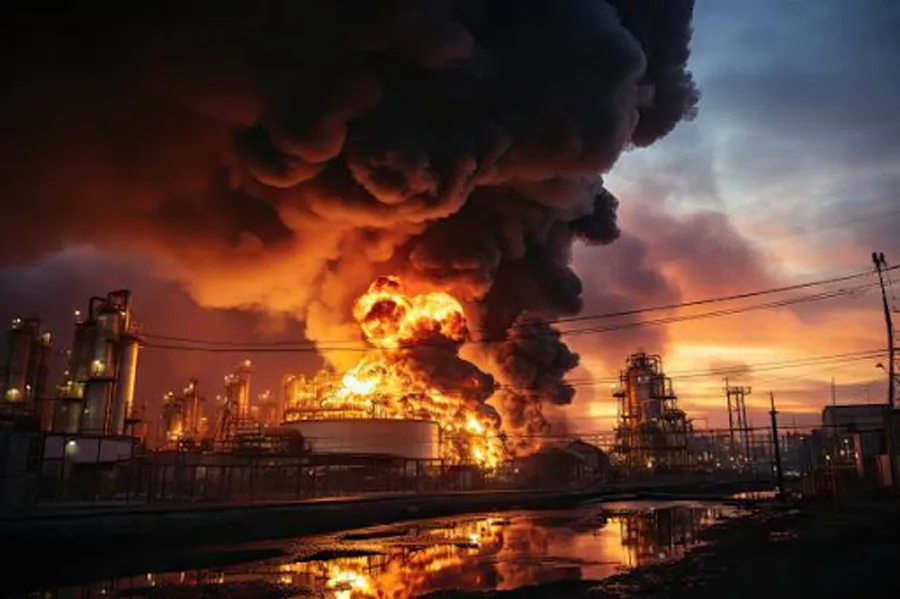
Oilfield explosions and equipment failures are usually caused by a combination of human error, poor maintenance, equipment defects, and unsafe working conditions. These incidents can lead to serious injuries, property damage, and even loss of life, making it important to understand the risks and how they develop.
Oilfields are high-risk environments where heavy machinery, flammable materials, and high-pressure systems are used daily. Workers operate in challenging conditions that require strict safety measures and constant monitoring. When safety protocols are ignored or systems fail, the consequences can be severe, often leading to oilfield accident and injury claims that involve complex investigations and legal processes.
Equipment Malfunctions
To begin with, equipment failure is one of the most common causes of oilfield accidents. Machinery used in drilling and extraction is exposed to extreme pressure and harsh conditions.
Common equipment issues include:
- Worn or damaged parts
- Faulty valves or seals
- Malfunctioning control systems
When equipment is not functioning properly, it can trigger explosions or system breakdowns.
Poor Maintenance Practices
Next, lack of regular maintenance plays a major role in accidents. Even high-quality equipment can become dangerous if it is not properly maintained.
Poor maintenance can lead to the following:
- Undetected leaks
- Corrosion of metal components
- Weak structural integrity
Routine inspections and timely repairs are essential to prevent failures.
Human Error
Human error is another significant factor. Oilfield operations require precision and attention to detail, and small mistakes can have serious consequences.
Examples of human error include:
- Incorrect handling of equipment
- Failure to follow safety procedures
- Miscommunication among workers
Proper training and supervision can reduce these risks.
Gas Leaks and Pressure Build-Up
Oilfields often involve handling highly flammable gases. If these gases leak or build up in confined areas, the risk of explosion increases.
This can happen due to:
- Faulty pipelines
- Improper sealing
- Failure to monitor pressure levels
Once ignited, these gases can cause powerful explosions.
Electrical Failures
Electrical systems are widely used in oilfield operations. Faulty wiring or equipment can create sparks that ignite flammable materials.
Electrical issues may include:
- Damaged wiring
- Overloaded circuits
- Poor grounding
Regular electrical inspections help prevent these hazards.
Inadequate Safety Measures
Another major cause is the lack of proper safety protocols. Oilfields must follow strict guidelines to ensure worker safety.
When safety measures are ignored, it can result in:
- Increased accident risk
- Delayed emergency response
- Greater severity of incidents
Employers must enforce safety rules consistently.
Improper Use of Equipment
Using equipment incorrectly can also lead to accidents. Each piece of machinery is designed for specific tasks, and misuse can cause damage.
Improper use may involve the following:
- Operating machinery beyond its limits
- Using the wrong tools for a job
- Ignoring manufacturer guidelines
Training workers on proper usage is critical.
Environmental Factors
Environmental conditions can also contribute to oilfield accidents. Weather and natural elements can affect equipment performance and safety.
Common factors include:
- Extreme heat or cold
- High winds
- Wet or slippery surfaces
These conditions require extra caution and preparation.
Lack of Training
Workers who are not properly trained are more likely to make mistakes. Oilfield jobs require specialized skills and knowledge.
Without proper training, workers may:
- Misuse equipment
- Fail to recognize hazards
- Respond poorly to emergencies
Ongoing training programs are essential for safety.
Why These Causes Matter
Understanding the causes of oilfield explosions and equipment failures is important for both prevention and accountability. These incidents are often avoidable when proper precautions are taken.
When accidents occur:
- Workers may suffer serious injuries.
- Operations may be disrupted
- Legal claims may arise
Identifying the root cause helps improve safety standards and prevent future incidents.
Key Takeaways
- Oilfield explosions are often caused by equipment failure, human error, and poor maintenance.
- Gas leaks and pressure build-up are major risk factors.
- Electrical issues can ignite flammable materials.
- Proper training and safety protocols reduce accident risks.
- Environmental conditions can impact safety and equipment performance.
- Many incidents lead to oilfield accident and injury claims due to their severity.
Understanding what causes oilfield explosions and equipment failures can help companies and workers take preventive steps. By focusing on safety, maintenance, and proper training, the risk of serious accidents can be reduced, creating a safer working environment for everyone involved.