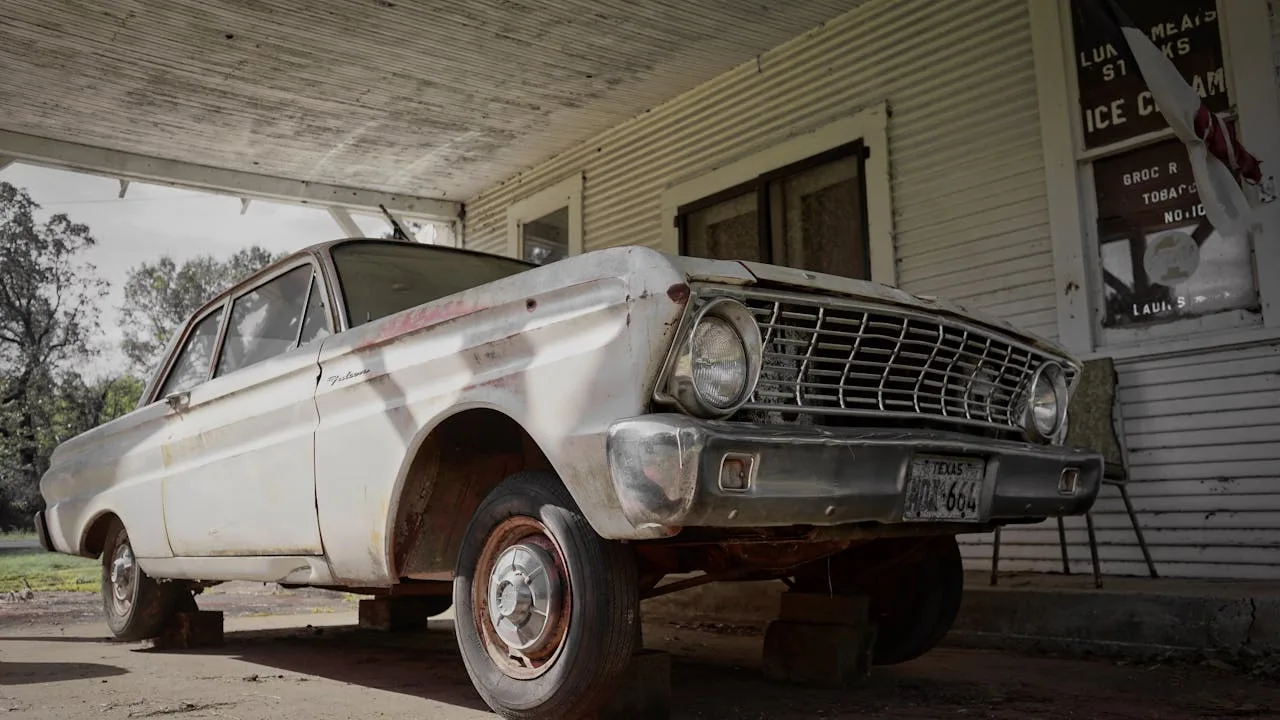
Letting go of a junk car in Hawaii can feel more complicated than expected. What looks like an old vehicle sitting in your driveway can turn into a real problem when repairs cost too much, space is limited, and the car keeps getting worse in the island climate. Once you understand what usually happens, the process becomes easier to manage. Knowing what to expect can help you make decisions with less stress and more confidence.
Why Holding Onto A Junk Car Gets Harder In Hawaii
In Hawaii, leaving a junk car untouched for too long usually makes things worse. Salt air, humidity, and steady exposure to the elements can speed up rust and corrosion, even when the vehicle has not moved in months. A car that once seemed worth fixing can lose more value over time, which makes it harder for you to deal with later. In many cases, it makes sense to use ByeCar to sell your junk car in Hawaii once the vehicle stops being worth the cost of repairs, registration, or storage. Waiting too long can leave you with fewer options and a vehicle that is worth even less.
You also have to think about space. In Hawaii, extra room is not always easy to come by, so an unusable car can quickly become more than an inconvenience. It may take up valuable parking, make your property look neglected, or create concerns if it starts leaking fluids. What you plan to deal with later can easily turn into something that affects your daily routine much sooner than expected.
How To Know When It Is Time To Let The Car Go
It is not always easy to admit that your car is no longer worth keeping. You may keep thinking one more repair will solve the problem, but repeated breakdowns, rising maintenance costs, and long periods without use usually point to a different reality. When the price of fixing the vehicle starts to feel unreasonable compared to its actual value, that is often the clearest sign that it is time to move on. Making that decision earlier can help you avoid spending more money on a car that no longer serves you well.
You should also pay attention to how the car affects your daily life. If it is sitting unused for months, causing frustration, or taking up space you need, it may already be costing you more than you realize. In Hawaii, where weather and limited space can make vehicle problems harder to ignore, holding onto a junk car for too long can create even more inconvenience. Letting it go at the right time can give you peace of mind and free up room for something more useful.
What Usually Happens When You Decide To Sell It
When you decide to get rid of the vehicle, you will usually need to share a few basic details first. Most buyers want to know the make, model, year, condition, and location of the car. You may also be asked whether you still have the title, whether the car runs, and whether important parts are missing. Even if the vehicle no longer starts or has been parked for a long time, it can still hold value because of its parts, scrap metal, or reusable components. Having this information ready can help you avoid delays and make the process easier from the start.
After that, the next step is usually setting up pickup. This is especially important in Hawaii because moving a damaged or non-working vehicle can be difficult, depending on where you live. You may want the car removed quickly if it is blocking your driveway, sitting at a rental property, or taking up space you need for something else. The process feels smoother when you already know the price, the pickup window, and the paperwork before the vehicle is towed away.
What You Should Check Before The Car Leaves Your Property
Before the car is picked up, you should do one last full check. Look through the glove box, center console, trunk, and under the seats for anything you may have forgotten. Old registration papers, chargers, work items, receipts, and personal belongings often stay hidden in cars that have been sitting for a while. You should also remove the license plates if that is required for your records or next registration steps. Taking a few extra minutes to check everything can save you from dealing with missing items later.
You will also want to make sure the paperwork is handled properly. If you still have the title, keep it ready. If you do not, find out what proof of ownership you need so you can complete the transfer legally. Once the sale is finished, cancel your insurance and keep a record of when the vehicle was picked up. When you take care of those final details, letting go of a junk car becomes much less stressful, and you can move on knowing the problem is fully behind you.