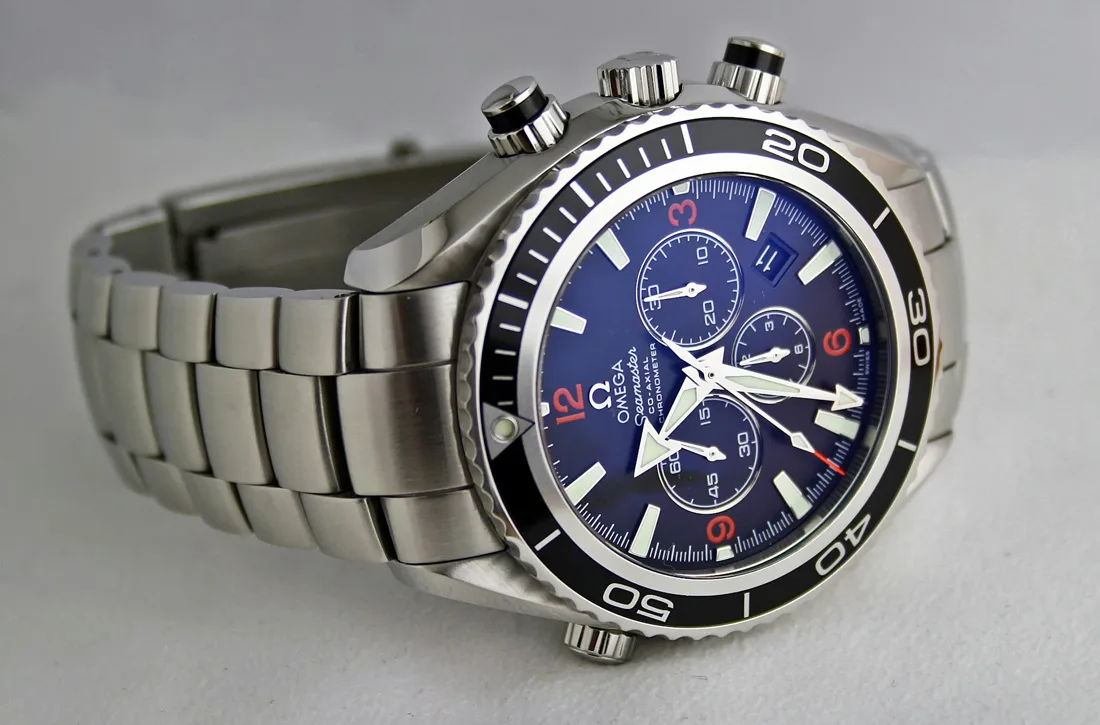
A smart watch purchase in 2026 comes down to long-term value, not just brand recognition. Buyers are paying closer attention to movement quality, finishing details, warranty support, and resale potential before spending thousands on a timepiece. A watch that holds value and remains enjoyable to wear for years often matters more than buying the most recognizable logo.
Luxury watches still carry prestige, but informed buyers are becoming more selective. Rising retail prices and long waitlists have encouraged enthusiasts to explore independent brands and smaller manufacturers offering strong specifications at more approachable prices.
Shifting buyer habits have changed how collectors evaluate watches. Understanding the signals behind a worthwhile purchase can help consumers avoid overpaying while still finding a watch that feels meaningful and well-built.
Movement Quality Still Defines Long-Term Value
Movement quality remains one of the clearest indicators of whether a watch is worth its asking price. Automatic movements with proven reliability and serviceability continue to outperform trend-driven designs that focus only on appearance.
Collectors often compare specifications and finishing when evaluating luxury models alongside Alternatives to Rolex that offer comparable performance. Independent brands have become especially competitive by emphasizing craftsmanship and enthusiast-focused design rather than relying entirely on heritage branding.
Several movement features tend to signal strong value:
- Swiss or Japanese automatic calibers
- COSC or chronometer certification
- Long power reserves
- Serviceable construction
- Smooth winding and accuracy
Reliable internals help a watch remain practical long after trends fade.
Finishing and Build Quality Matter More Than Marketing
Case finishing, bracelet comfort, and dial details often separate a genuinely impressive watch from one driven mostly by marketing. Sharp polishing transitions, solid clasps, and textured dials create a higher-end experience that buyers notice immediately.
Enthusiasts increasingly prioritize hands-on quality over celebrity endorsements or oversized branding. A watch with thoughtful construction frequently delivers greater satisfaction than one purchased solely for status recognition.
Buyers should pay attention to details like:
- Bracelet articulation
- Sapphire crystal quality
- Water resistance
- Dial texture
- Lume performance
Small refinements often reveal where brands invest their production budget.
Warranty Support and Brand Reputation Influence Confidence
Strong warranty coverage adds meaningful value to a watch purchase, especially in higher price categories. Brands offering transparent service policies and accessible repair support tend to earn stronger long-term trust from collectors.
Community reputation also plays a growing role in 2026 buying decisions. Watch forums, YouTube reviewers, and enthusiast groups quickly highlight quality concerns or reliability issues that traditional advertising may overlook.
Several reputation indicators can help buyers evaluate brands:
- Responsive customer service
- Clear warranty terms
- Positive and enthusiastic feedback
- Consistent quality control
- Strong resale demand
Reliable support can make ownership significantly less stressful over time.
Resale Strength Helps Justify the Purchase
Resale value should not be the only factor when buying a watch, but it remains important for many collectors. Watches with stable demand often provide more flexibility if tastes change later.
Models from respected brands generally hold value best, though several microbrands now perform surprisingly well in enthusiast markets. Limited production numbers and strong design identity have helped many smaller companies gain credibility among collectors.
Smart buyers in 2026 are focusing less on hype and more on balanced value. Movement reliability, finishing quality, warranty support, and resale potential all contribute to a worthwhile purchase decision.