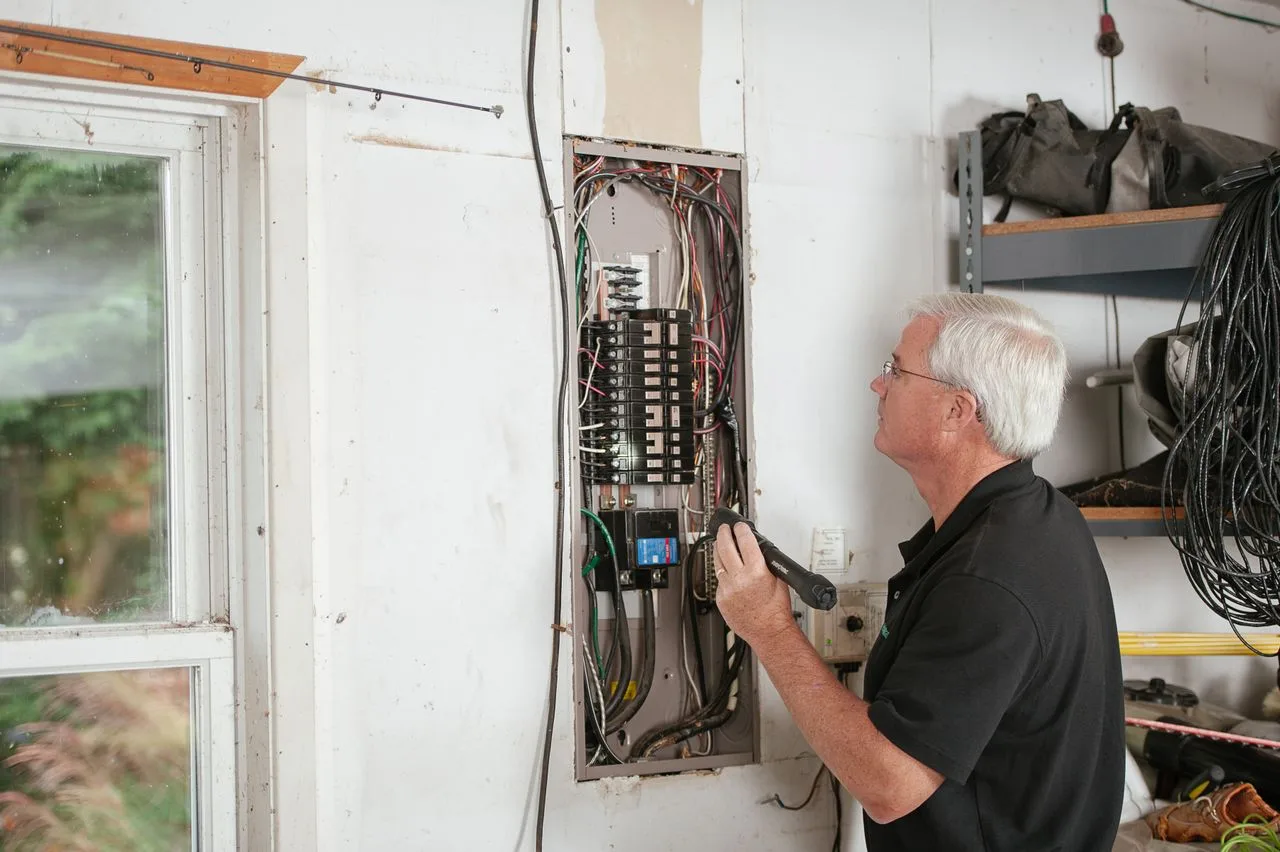
You probably don’t think much about your home’s electrical panel until something starts acting weird. Maybe your breaker trips every time you run the microwave and air fryer together, or your lights flicker when the AC kicks on. Modern homes ask a lot from aging electrical systems, and the panel often becomes the bottleneck. If you’re planning renovations, adding appliances, or just trying to keep things safe, understanding panel upgrades can save you stress, money, and a few dramatic trips to the breaker box.
What an Electrical Panel Actually Does
Your electrical panel is the control center for your home’s power. It takes electricity from the utility line and distributes it to circuits throughout the house. Each breaker is designed to shut off power if a circuit gets overloaded, which helps reduce the risk of overheating and electrical fires.
If your home is older, your panel may have been built for a time when people had far fewer devices plugged in. No one in 1975 was charging phones, powering gaming PCs, running smart TVs, and blasting central air at the same time. That mismatch matters.
A panel that’s too small, outdated, or damaged can limit how safely and reliably your home operates. It may still “work,” but that doesn’t mean it’s keeping up with your actual electrical demand.
Why Modern Homes Need More Electrical Capacity
Homes use more electricity than they used to, plain and simple. Even modest households often have high-demand equipment, including HVAC systems, electric ranges, tankless water heaters, laundry appliances, garage tools, and home office setups.
If you’re adding major upgrades, the demand climbs even faster. A kitchen remodel alone can shift your electrical load. Add an EV charger, hot tub, or finished basement, and your existing panel may start feeling like a phone battery stuck at 8 percent.
This is where planning matters. You don’t want to wait until circuits overload after the work is done. If you’re exploring renovations or capacity issues, looking into electrical panel upgrade services can help you understand what size panel fits your home’s current and future needs.
Signs Your Panel May Be Struggling
Some warning signs are obvious. Others are easy to brush off until they become expensive. If your breakers trip regularly, your panel is telling you something. The same goes for buzzing sounds, scorched smells, warm breaker switches, or visible rust and corrosion.
You should also pay attention to subtler clues:
- Lights dim when large appliances start
- Extension cords are doing too much of the heavy lifting
- You rely on power strips in nearly every room
- There aren’t enough circuits for new appliances
- Your panel still uses fuses instead of breakers
A panel can also become a problem during a home sale or insurance review. Some insurers get cautious around certain outdated panel brands or older service sizes. What looked like a small issue can suddenly become a paperwork headache with wires attached.
Common Upgrade Scenarios Homeowners Run Into
Panel upgrades often come up during specific life moments rather than random Tuesday curiosity. Renovations are a major one. If you’re opening walls anyway, it’s smart to evaluate whether your electrical infrastructure matches the new layout and appliance load.
You may also need an upgrade if:
- Your home still has 100-amp service and you need 200 amps
- You’re installing an EV charger
- You’re converting from gas appliances to electric
- You’re adding a workshop, ADU, or home addition
- Your current panel has no room for extra circuits
Sometimes the issue isn’t just capacity. It can be code compliance, deterioration, or a panel model with a poor safety history. A licensed electrician can do a load calculation and inspect the panel condition before recommending the scope of work.
What the Upgrade Process Usually Looks Like
A panel upgrade is not a glamorous home project. Nobody posts panel reveal photos like they do kitchen backsplashes. Still, it’s one of the most useful upgrades you can make when your system is outdated.
The process usually starts with an inspection and load assessment. From there, an electrician determines whether the panel itself needs replacement, whether the service line needs changes, and whether permits are required. In many areas, permits and utility coordination are standard parts of the job.
During installation, power is typically shut off for part of the day. The old panel is removed, the new one is installed, circuits are labeled or reorganized, and the system is tested. Depending on the home, grounding, bonding, or meter-related updates may also be needed.
Safety, Insurance, and Resale Considerations
Electrical work sits in the category of things you really don’t want done halfway. A proper panel upgrade improves safety by giving your home adequate overload protection and reducing strain on outdated equipment.
That matters for more than daily convenience. It can affect your ability to insure the home, pass inspection after renovations, or avoid red flags during resale. Buyers tend to notice old panels once an inspector points them out, and lenders don’t love unresolved electrical risks either.
A newer panel can also support safer expansion later. If you plan to add solar, battery storage, or high-powered equipment, a stronger electrical foundation makes those projects easier to manage.
In practical terms, you’re not just buying amps. You’re buying flexibility, code alignment, and fewer unpleasant surprises hidden behind a metal door in the garage or basement.
How to Prepare Before Hiring an Electrician
Before you schedule estimates, gather a few details about your home’s electrical habits. Check how often breakers trip, list any planned appliance upgrades, and note your current service size if it’s labeled on the panel. Photos can help when discussing options.
Ask electricians specific questions:
- What panel size do you recommend and why?
- Will the service entrance need upgrading too?
- Are permits and inspections included?
- How long will the power be off?
- Are there code issues beyond the panel itself?
It also helps to think one step ahead. If you expect to buy an electric vehicle, remodel the kitchen, or build an addition within a few years, mention it now. Upsizing once is usually less painful than paying for another round of electrical work later.
A Smart Upgrade That Most People Ignore Until They Can’t
Electrical panels have a talent for staying invisible until they become impossible to ignore. When your home’s power supply no longer matches how you actually live, the warning signs tend to show up in annoying, inconvenient, and occasionally risky ways.
A panel upgrade won’t give you shiny countertops or curb appeal, but it supports nearly every system you use every day. If your breakers keep tripping, your renovation plans are growing, or your house still runs on old electrical hardware, it’s worth taking seriously.
The goal isn’t to chase unnecessary upgrades. It’s to make sure your home can safely handle the load you place on it now, with enough room for whatever comes next. That’s a practical investment, even if it never makes it onto your holiday card.

