There was a time when buying a luxury watch meant walking into a boutique and leaving with something brand new. That still has its place, but the reality in 2026 looks very different. More collectors are turning their attention to the pre-owned market, not just for value, but for access, character, and variety.
The biggest shift is availability. Many of the most interesting watches are no longer sitting in display cases. They exist in the secondary market, passed between collectors who understand what they’re buying. That opens the door to pieces that feel far more considered than whatever happens to be in current production.
It also changes how people approach collecting. Instead of chasing the newest release, buyers are starting to look at watches with proven appeal. Models that have already earned their place over time tend to feel more grounded, both in design and wearability.
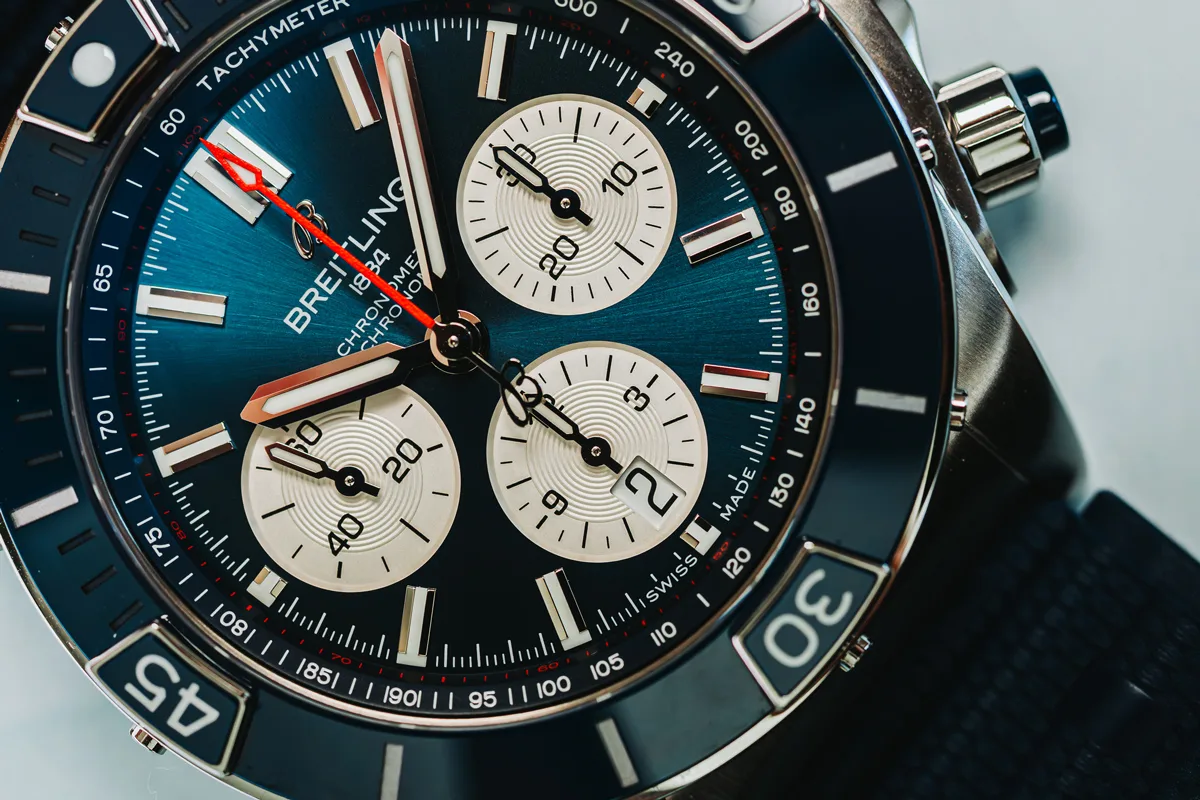
Take pre-owned Breitling chronographs for example. Their core collections have remained consistent for decades, particularly within aviation and timing-focused design. That continuity makes them an easy entry point for collectors who want something that feels established rather than trend-driven. A well-kept piece offers that same presence on the wrist without the premium attached to buying new.
There is also a growing appreciation for how watches age. Unlike most modern products, a mechanical watch doesn’t lose its identity over time. If anything, it becomes more personal. Small signs of wear, subtle changes in finish, and the knowledge that the watch has already lived a life all add to the appeal.
This shift is also being driven by how people shop. Online platforms and independent specialists have made it far easier to buy with confidence. Buyers are no longer relying solely on large retailers. Instead, they are choosing smaller, more focused dealers who prioritise quality over volume.
That is particularly important when it comes to authentication and presentation. Every detail matters. From accurate descriptions to original photography, the buying experience now plays a major role in how collectors choose where they spend their money. It is no longer just about the watch itself, but the trust behind it.
At the same time, collectors continue to gravitate towards modern Tudor dive watches and everyday sport models. Their reputation for durability and clean design translates perfectly into the pre-owned space. Buyers know what they are getting, and that consistency builds confidence in the secondary market.
What is clear is that the pre-owned market is no longer a secondary option. For many collectors, it is the first place they look. Not because it is cheaper, but because it offers something the primary market often cannot: depth.
And in a space where everyone claims to offer luxury, depth is what actually sets a collection apart.