We have all seen the pictures in travel magazines: a smiling person sipping coffee by a window, looking out at a sunset with a perfectly packed suitcase nearby. We are told that travel is the ultimate escape and a path to pure happiness. But for many of us, the reality is a bit different. Instead of feeling pure joy, we feel a knot in our stomachs as we pack. We feel a wave of dread as we enter the airport, and our hearts race when we finally land in a city where we don’t know the streets.
Why We Feel Worried Before the Fun Starts
Guilt often follows travel anxiety. You might wonder why you feel “bad” on an expensive trip, but this isn’t weakness—it’s your brain doing its job. Our homes are “safety nests” providing the predictability our nervous systems crave. When we leave, the lack of routine feels like a threat.
Digital noise adds to the weight as we juggle complex plans. While some travelers use dopamine detox apps to quiet their minds before departing, the sheer volume of new information can still cause a system overload. Recognizing that your dread is a natural biological reaction to change is the first step toward staying grounded and reclaiming your sense of adventure.
The Airport: A Busy Place for a Tired Brain
An airport is a “sensory minefield.” Think about the environment: the lights are incredibly bright, there are constant loud announcements, and thousands of people are rushing in different directions. For a sensitive nervous system, this is overwhelming. Your brain is trying to process all these sights and sounds at once, which can lead to a feeling of “brain fog” or irritability.
Beyond the noise, there is the intense time pressure. We are constantly worried about being late, getting through security, or losing our passports. This puts our body into a “fight or flight” mode. When you are in this state, your brain isn’t thinking about the fun beach you are going to; it is thinking about survival. This is why you might feel snappy with your travel partners or find it hard to make simple decisions about where to eat in the terminal.
Being Stuck in the Air
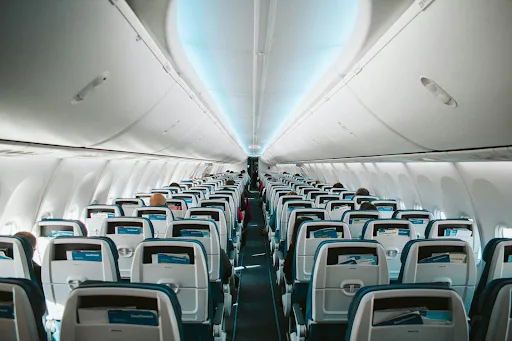
Once you get on the plane, the stress doesn’t always disappear. In fact, for many, it gets worse. Flying involves a total loss of control. You are sitting in a small seat, you cannot leave, and you have to trust a pilot you’ve never met. For the human brain, which loves to be in charge of its own safety, this is a difficult situation.
Your body also feels the physical stress of flying. The cabin pressure, the dry air, and the lack of movement can make you feel physically uneasy, which your brain then interprets as emotional anxiety. Because you are in a confined space, you might become “hyper-vigilant.” This means you start listening too hard to every sound the engine makes or watching the flight attendants’ faces for any sign of trouble. This is just your brain’s way of trying to find certainty in an uncertain place.
Arriving in a New Place
Finally, you land. You might expect to feel instant relief, but “New City Syndrome” often kicks in. Suddenly, you are in a place where you don’t know the language, the social rules, or even how to get to your hotel. This is mentally exhausting. Every tiny task—like buying a train ticket or finding a grocery store—requires a lot of brainpower.
This is also the moment when you realize your “safety nest” is thousands of miles away. It is completely normal to feel a little homesick or overwhelmed on your first night in a new place. You are mourning the loss of your routine. Your brain is working overtime to scan this new environment for danger, and it takes a day or two for your nervous system to realize that you are actually safe.
Simple Tricks to Stay Grounded
The good news is that you can manage these feelings. One of the best ways is to bring a “piece of home” with you. This could be a favorite snack, a specific sweatshirt that feels cozy, or a playlist of songs you listen to every day. These familiar things act as “anchors.” They signal to your brain that even though the location has changed, you are still “you” and you are safe.
Another powerful tool is the “Stop and Breathe” rule. When you feel a wave of panic in a crowd, stop moving. Take three deep breaths, making your exhales longer than your inhales. This is a physiological hack that tells your nervous system to switch off the “fight or flight” response. Finally, try to make a simple plan for the next hour. Instead of worrying about the whole week, just focus on getting to the hotel or finding a cup of tea. Small wins build confidence.
Conclusion: You’ve Got This
It is time to stop expecting ourselves to be perfectly calm travelers. Exploration is brave work, and feeling a little bit of worry is just part of the process. Your brain isn’t broken; it is just looking out for you.
When you accept that anxiety might come along for the ride, it loses its power over you. You can say, “I feel a bit nervous right now, and that’s okay.” By being kind to your nervous system and giving yourself time to adjust, you can move through the jitters and eventually find the joy you were looking for. You don’t have to be fearless to have an amazing adventure; you just have to keep going.