If you already juggle work, family, errands, and that mysterious pile of laundry that keeps growing, going back to school can sound like a bold plot twist. Still, plenty of adults want to build stronger teaching skills or move forward in education without putting life on pause. That’s where an online graduate program can make things feel a lot more doable. If elementary education is your lane, this path can offer flexibility, practical learning, and a clear next step without asking you to clone yourself.
Why it fits now
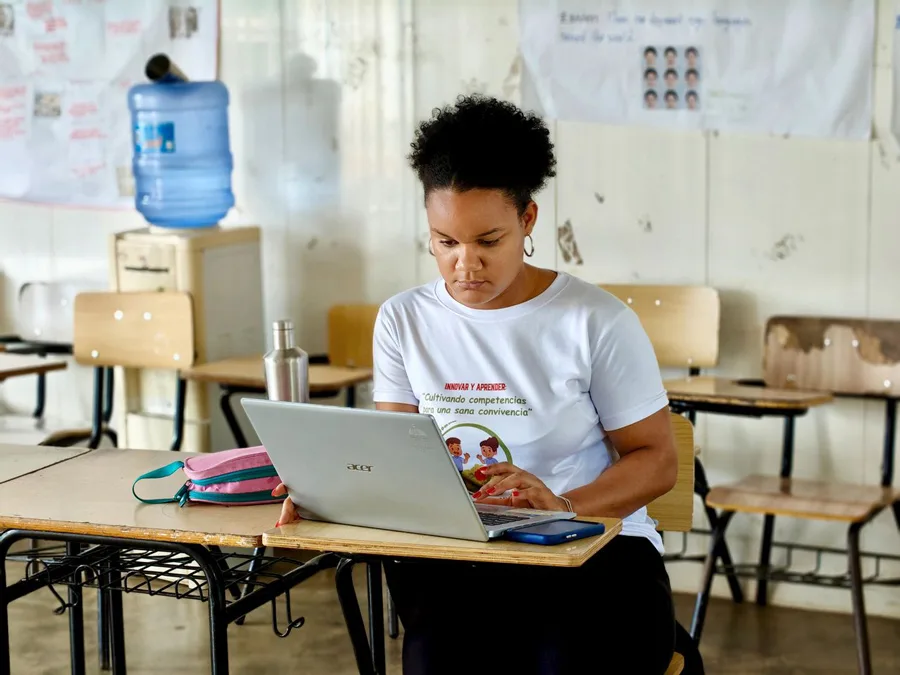
If your schedule already feels packed tighter than a backpack on the first day of school, pursuing a master’s in elementary education online at the University of North Carolina Wilmington (UNCW) can make graduate study feel possible instead of overwhelming. Through UNCW’s online Master of Education (M.Ed.) in Elementary Education, you can often complete coursework from home, log in around your work hours, and keep moving toward an advanced degree without putting your career on hold. Designed for working educators, the program combines flexible online learning with practical, research-based instruction that can help you strengthen your teaching skills and advance professionally while maintaining your current responsibilities.
That matters if you’re already teaching, helping in schools, or planning a move into elementary education. Flexible online learning gives you room to study in the early morning, during lunch breaks, or after the kids are asleep and the house finally stops sounding like recess.
UNCW’s online format is especially appealing if you want a university experience with structure but not a daily commute. You still get a focused program built around elementary education, yet the delivery works better for adult life. It’s a practical option when your goals are serious, but your calendar is also very, very serious.
Who benefits most
This kind of program tends to work well for people who are already connected to education in some way. If you’re a classroom teacher who wants to sharpen your skills, an online master’s can help you grow without stepping away from your students.
It can also make sense if you’re a teaching assistant, paraprofessional, or support staff member who’s ready for more responsibility. You already know schools run on patience, planning, and coffee. A graduate degree can help you build on that experience in a more formal way.
Career changers may also find this path appealing. Maybe you’ve worked in another field and realized you want a job that feels more people-focused and meaningful. Parents returning to school often like the flexibility too, since online learning can fit around family life better than a campus commute.
The common thread is simple. You want to grow, but you need that growth to fit real life, not some fantasy schedule where everyone has free afternoons.
What you may study
A good online elementary education program usually focuses on topics that connect directly to what happens in real classrooms. You may study literacy instruction, which helps you understand how children learn to read, write, and communicate with confidence.
You’ll likely look at curriculum planning too. That sounds fancy, but it often comes down to building lessons that make sense, keep students engaged, and meet learning goals without turning the classroom into chaos.
Child development is another big piece. When you understand how children think, behave, and learn at different ages, you can make better choices about instruction and support. Assessment also comes into play, not just in the test-score sense, but in learning how to measure progress in useful ways.
Some programs include classroom leadership as well. That can help whether you want to mentor others, improve student outcomes, or simply become the teacher who looks calm even when the glue sticks have vanished again.
How online learning works
Online graduate learning is usually more structured than people expect. It’s not just logging in whenever you feel inspired between snacks. Most programs use weekly modules with readings, assignments, discussion posts, and due dates that keep you moving forward.
You may watch lectures, respond to classmates, and complete projects that connect theory to real school settings. If you’re working full time, this can actually help because you know what needs to get done and when. Predictability is a beautiful thing.
You’ll also want to plan for steady study time each week. Even flexible programs still require discipline. Think of it like meal prep, but for your brain. A little planning now saves panic later.
Depending on the program, there may be practical components tied to teaching or school-based application. These are often designed to connect coursework with actual classroom experience. That makes the learning feel more useful, because you’re not just reading ideas. You’re seeing how they play out with real students.
Career growth after graduation
An advanced degree in elementary education can support career growth in ways that feel practical, not just impressive on paper. For some people, it strengthens classroom practice and helps them become more confident instructors. Better strategy, better communication, and better planning can all show up in daily teaching.
For others, it may open doors to leadership-related responsibilities. You might support curriculum efforts, mentor newer teachers, or take on roles that involve instructional improvement across a grade level or school team.
There’s also value in professional credibility. Schools often look for educators who are committed to ongoing learning, especially when student needs keep changing. A graduate program shows that you’re serious about your field and willing to build deeper expertise.
And let’s be honest, personal growth matters too. Finishing a degree while managing work and life is no small thing. It can boost your confidence in a big way. You’re not just earning credentials. You’re proving to yourself that your goals still have room on the calendar.
Questions worth asking
Before you enroll, give yourself permission to ask practical questions. The flashy stuff is nice, but the everyday details matter more when you’re the one doing the work.
A few smart questions can help:
- Does the schedule fit your work and family routine?
- How much weekly time should you expect to spend?
- What student support is available if you need help?
- How does tuition fit into your financial plans?
- What kinds of outcomes does the program support for educators?
You may also want to look at the school’s mission and format. UNCW, for example, offers an online path that can appeal to adults who want flexibility while still studying through an established university setting.
The best choice is one that fits your life and your goals at the same time. If a program feels useful, manageable, and connected to the work you actually want to do, that’s a strong sign you’re asking the right questions.