You repaint the walls, swap out a mirror, maybe even change the faucet—yet your bathroom still feels outdated. This is a common frustration for homeowners. The problem usually isn’t about one major flaw. It’s the small details working together in the wrong way. An outdated layout, poor lighting, or worn finishes can quietly affect how the space feels every day. Many people focus on surface-level updates and miss the deeper issues that shape the overall look. The good news is that you don’t need a full remodel to fix it. Once you understand what’s holding your bathroom back, you can make smarter changes that actually improve the space.
A Layout That Doesn’t Flow
A bathroom can look clean and still feel outdated if the layout doesn’t work well. When fixtures sit too close together or block movement, the space feels cramped. You might notice that opening a cabinet feels awkward or stepping out of the shower feels tight. These small inconveniences add up over time. Older bathrooms often follow layouts that no longer fit modern needs. Fixing this doesn’t always mean tearing everything out. In some cases, removing bulky items or shifting one key feature can improve the flow. Even small changes like adjusting storage or clearing floor space can make the room feel more open and easier to use every day.
An Outdated Shower or Tub Setup
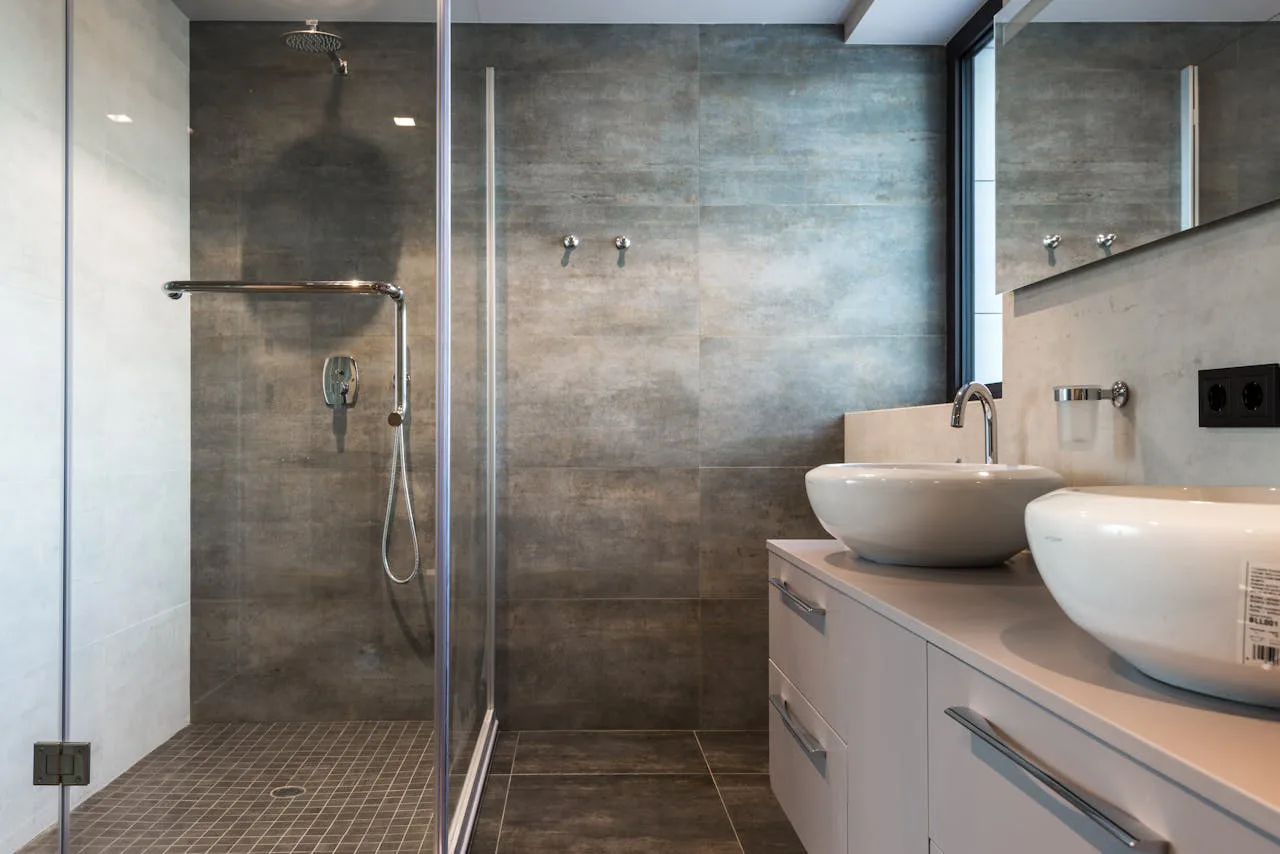
The shower or tub often takes up the most space, so its condition matters. Older units can look bulky, stained, or hard to clean. Even if they still function, they can make the entire bathroom feel behind the times. Newer designs focus on clean lines, simple surfaces, and easy upkeep. Many homeowners now choose replacement showers because they offer a better fit, require less maintenance, and update the overall look without a full renovation. A well-designed shower also improves daily use. It should feel easy to step into, simple to clean, and visually balanced with the rest of the space.
Lighting That Falls Flat
Lighting affects how everything in your bathroom looks. If the space feels dull or shadowy, it can seem older than it really is. Many bathrooms rely on a single overhead light, which doesn’t provide enough coverage. This creates dark corners and uneven brightness. Yellow-toned bulbs can also make surfaces look tired. A better approach is to use layered lighting. Combine overhead lights with focused lighting around the mirror. This setup improves both function and appearance. Brighter, neutral light helps the room feel clean and fresh. Good lighting doesn’t just help you see better—it changes how you experience the entire space from the moment you walk in.
Surfaces That Look Worn
Worn surfaces are hard to ignore, even if the rest of the bathroom looks fine. Cracked tiles, stained grout, and chipped finishes send a clear signal that the space needs attention. These issues don’t just affect appearance—they also make cleaning harder. Over time, small signs of wear can make the entire room feel older than it is. You don’t always need a full replacement to fix this. Regrouting, refinishing, or replacing a few key areas can go a long way. Focus on the spots you see and use most. When surfaces look clean and well-kept, the bathroom feels more cared for and instantly more up to date.
Storage That Feels Crowded
A bathroom can quickly feel outdated when storage does not work well. Items left on the counter create visual clutter, even if the space is clean. Many older bathrooms lack built-in storage, which forces you to use baskets or random shelves that don’t match. This makes the room feel disorganized. A better approach is to add storage that blends into the design. Floating shelves, recessed cabinets, or vanity drawers can help keep items out of sight. Focus on storing everyday items in a way that feels easy and natural. When everything has a place, the bathroom looks calmer and more current without needing major changes.
Colors That Date the Room
Color plays a major role in how modern your bathroom feels. Certain shades that were popular years ago can now make the space look older. Dark tones, faded pastels, or overly bold tile patterns often stand out in the wrong way. These choices can also affect how light moves in the room, making it feel smaller or dull. Updating the color scheme does not have to be complicated. Neutral shades like white, soft gray, or light beige help reflect light and create a cleaner look. You can still add interest through textures or small accents. A simple, balanced palette helps the bathroom feel fresh and easy to maintain.
Details That Quietly Date the Space
Small details often go unnoticed until they start to feel out of place. Items like cabinet handles, towel bars, and mirrors may seem minor, but they shape the overall look. Older hardware can look worn or follow styles that no longer feel current. Mismatched finishes can also break the visual flow. Updating these details is simple and cost-effective. Choose finishes that match your fixtures and keep the design consistent. Swap out old mirrors for cleaner, simpler shapes. Even changing light switch covers can make a difference. These small updates work together to create a more polished and modern space without requiring major effort.
An outdated bathroom is usually the result of small issues that build up over time. Poor layout, worn surfaces, and mismatched details can all affect how the space feels. The key is to look at the room as a whole and focus on what stands out most. You don’t need to fix everything at once. Start with practical updates that improve both function and appearance. Simple changes like better lighting, updated fixtures, and improved storage can make a noticeable difference. When each part of the bathroom works well together, the space feels cleaner, more comfortable, and more in line with how you want your home to feel.