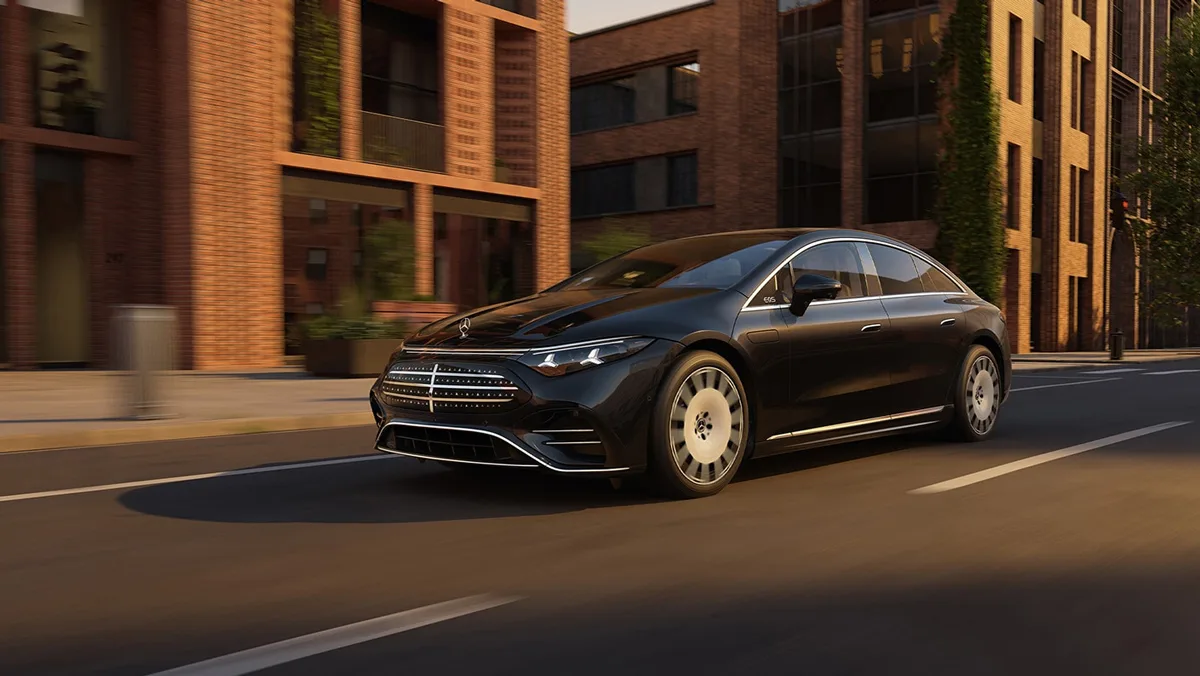
The 2027 Mercedes-Benz EQS just made a very strong case for not sleeping on refreshes.
When Mercedes first dropped the EQS back in 2021, the reaction was split. The tech was genuinely impressive. The exterior polarized people. And range, while competitive, left room for the Lucid Air to steal headlines. This update is different. For what’s technically a mid-cycle refresh, it goes deeper than I expected.
800 Volts Changes the Long-Drive Math
The headline number is range: the EQS 450+ now claims 575 miles on the WLTP test cycle. EPA ratings will land lower, but even a conservative translation puts real-world range near 400+ miles in American driving. That’s a serious number for a luxury sedan.
The bigger shift is the platform underneath it. The EQS moves from 400 to 800-volt architecture, unlocking 350 kW DC fast charging. In practical terms, that’s roughly 200 miles of range added in 10 minutes. The old EQS was a capable highway cruiser. This version removes the mental asterisks.
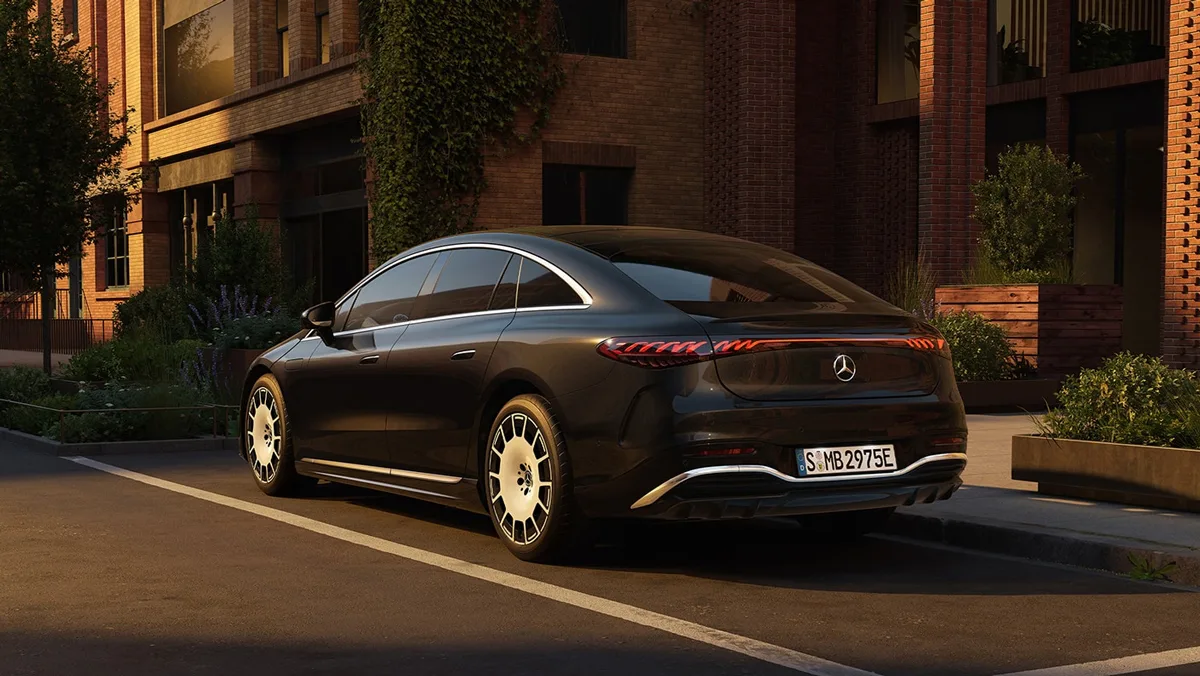
Mercedes credits a few engineering decisions for the efficiency gains. The 122 kWh battery (up from 118 kWh) has updated cell chemistry. A new two-speed rear-axle transmission keeps the drivetrain in its efficiency sweet spot at highway speeds. Regenerative braking now recovers up to 385 kW. Even the side mirrors were refined for better high-speed airflow. The drag coefficient sits at 0.20, and Mercedes is still sweating fractions.
The Steer-by-Wire Story
The EQS becomes the first production car from a German automaker to offer steer-by-wire. No mechanical connection between the steering wheel and the front wheels. It’s entirely electronic. The yoke-style wheel comes with it, rear steering increases from 4.5 to 10 degrees, and steering effort drops noticeably. I tend to be skeptical of steering yokes in luxury sedans, but this is the first setup I’m genuinely curious about.
It won’t launch with the car. Mercedes says it arrives a few months after dealers get the vehicle, which is the kind of thing that drives me a little crazy. The technology is real and notable. Just be ready to wait for it.
Worth noting: Mercedes was first with the MBUX Hyperscreen in a production car. Now first with steer-by-wire among German automakers. The EQS has always been a technology testbed first, flagship sedan second. That’s not a criticism. It’s actually what makes it interesting.
The Interior Is Genuinely Smarter
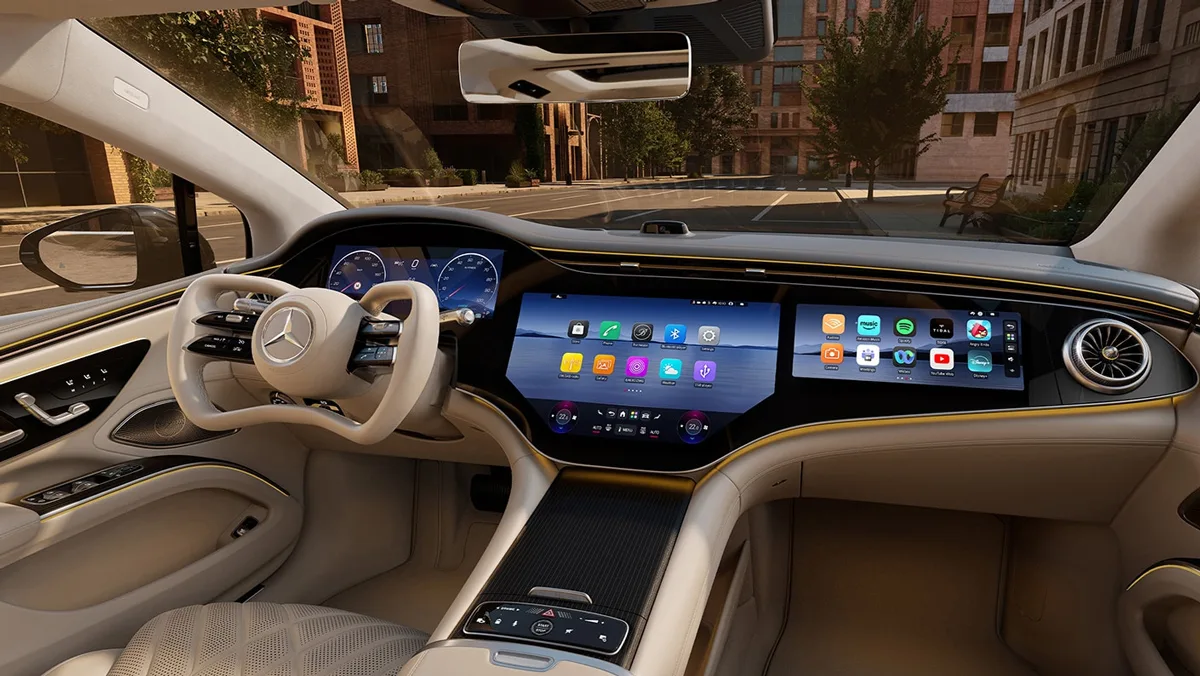
The MBUX Hyperscreen spans 55 inches of continuous glass and now runs on MB.OS, Mercedes’ in-house operating system. The MBUX Virtual Assistant integrates Microsoft AI and handles real back-and-forth conversation, which is a meaningful step beyond the voice command systems that came before it. Over-the-air updates keep the software current without a dealer trip.
Rear passengers get two 13.1-inch displays and portable remotes for controlling entertainment and cabin functions without reaching forward. The suspension uses cloud-based damper regulation to read upcoming road imperfections and adjust before you hit them. Front seats add seatbelt heating, which sounds like a line item nobody asked for until the first cold morning you’re grateful for it.
One piece of context that matters: Mercedes has confirmed the EQS won’t get a second generation. The next S-Class will handle both combustion and electric. That makes this refresh the EQS’s final form, and it shows. They put real resources into it.
What to Know
The 2027 EQS hits U.S. dealers in the second half of 2026. Pricing hasn’t been confirmed. The current EQS 450+ starts at $101,250, and given the scope of these changes, expect that number to shift upward. If you’re seriously shopping flagship EVs and range is anywhere near the top of your list, this one is worth watching closely.


