A sturdy overhead structure shields every family from severe heat, heavy snow, and strong winds. Everyday weather conditions continuously test structural materials above your living space.
Neglecting minor wear leads to sudden structural hazards throughout the home. Taking proactive care keeps your property safe year after year.
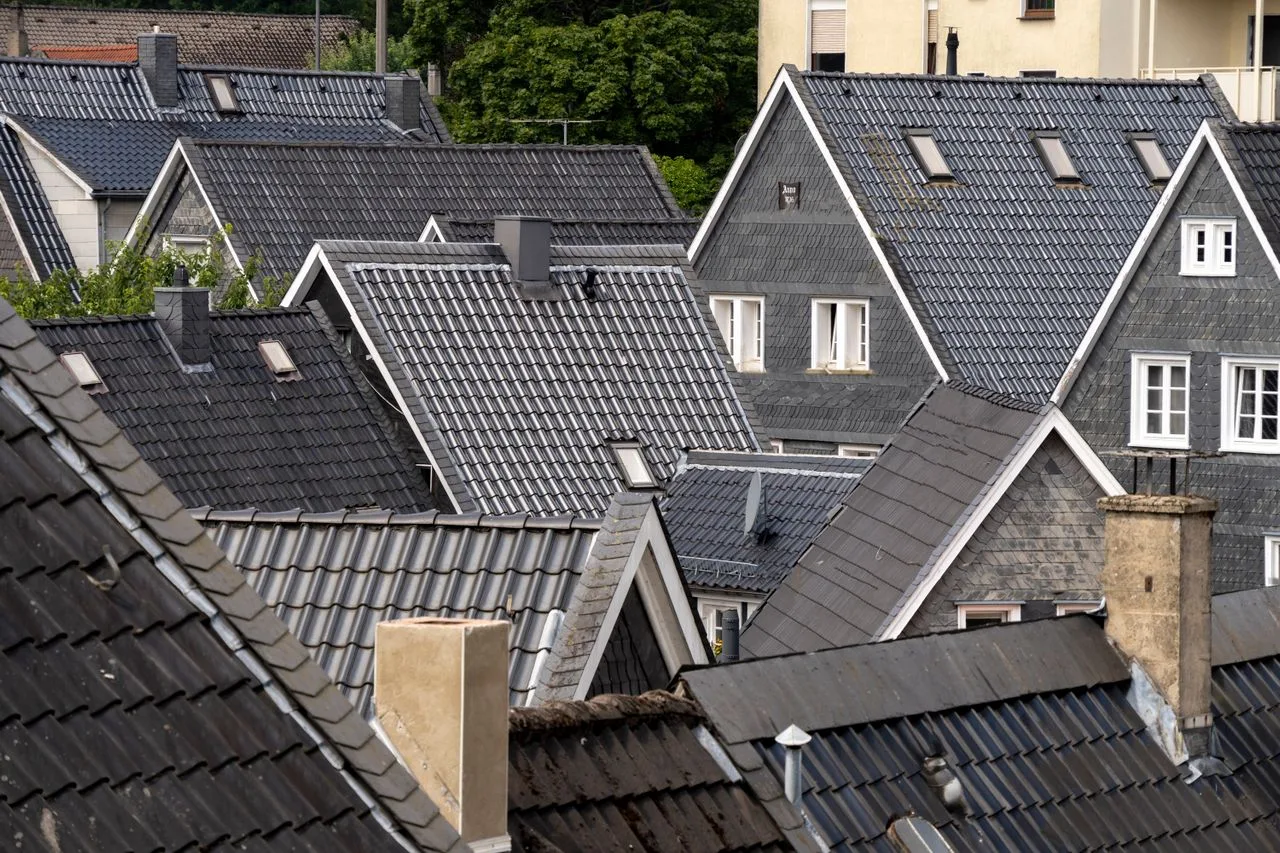
Understanding The Structure Above Your Head
Roofing systems consist of multiple layers working together to block weather elements. Decking forms the solid base, followed by water-resistant underlayment and durable shingles. Outer barriers take the brunt of severe rainstorms.
Homeowners frequently forget how critical each individual layer remains for long-term defense. Hiring a reliable Idaho roofing company helps identify hidden surface gaps before leaks spread inside. Regular visual checks maintain structural strength across every corner of the property.
Small repairs completed early prevent massive headaches down the road. Keeping gutter lines clean allows water to flow away cleanly without backing up under decking material. Clean drainage pathways preserve timber framing beneath outer shingles.
Primary Reasons Homeowners Modernize Overhead Defense
Overhead structures gradually wear down from constant sun exposure and thermal shifts. Thermal contraction creates tiny fractures along shingle edges that expand during cold months. Unchecked cracks allow moisture into sensitive attic framing.
Data published by a residential real estate research group revealed that 33% of homeowners replace their roofs after leaks occur, and another 33% replace them following storm damage. Strong winds frequently strip away protective granules long before visual deterioration appears on top. High wind gusts compromise structural resistance rapidly.
Water intrusion damages insulation, drywall, and timber framing within months. Quick action prevents costly structural repairs throughout lower levels of your house. Timely upgrades maintain high indoor comfort levels during harsh seasons.
Early Signs Of Overhead Wear And Tear
Catching early signs of deterioration keeps repair bills low and manageable. Simple visual inspections from ground level frequently reveal warning flags worth noting. Homeowners can spot structural problems before water penetrates interior ceiling plaster.
Look out for these common warning signs around your exterior perimeter:
- Curling or buckling shingle edges along rooflines
- Discolored patches spreading across upper ceilings
- Loose granule piles accumulating near downspout exits
Damp spots on drywall signal moisture crossing through protective underlayment layers. Addressing these signs quickly stops mold growth inside wall cavities and preserves indoor air quality. Immediate repairs protect structural framing from long-term rot and decay.
Materials That Shield Your Living Space
Selecting the right material influences long-term lifespan and home value. Asphalt shingles remain popular for affordability, whereas metal offers extended weather durability. Choosing durable components protects living areas against extreme storm events.
Clay tiles and slate provide incredible fire protection for dry regions. Heavy materials require stronger roof framing to support added structural weight. Architectural shingles offer a robust thickness that resists high wind shear.
Modern options include synthetic shingles designed to imitate classic wood shakes. Advanced synthetic materials withstand heavy hail impact without cracking or splitting under stress. Modern designs combine aesthetic appeal with heavy-duty structural resistance.
How Weather Conditions Impact Regional Lifespans
Local weather patterns play a direct role in how fast materials degrade. Freezing temperatures cause materials to contract, and intense solar radiation breaks down outer protective coatings. Moisture trapped under shingles accelerates decay in humid regions.
Information published in an insurance industry journal revealed that in hail-prone states, average roof lifespan drops to 15 years, compared to 22 years in western states with less severe weather. High wind gusts lift loose edges, creating paths for driven rain. Harsh climates demand resilient materials engineered for extreme weather.
Knowing local climate risks helps owners plan timely replacements before failures occur. Regular maintenance offsets climate stress and extends structural integrity across every season. Protective seals keep wind and driving rain from lifting outer shingle layers.
The Mechanics Of Attic Ventilation
Proper airflow inside attic spaces regulates moisture levels and surface temperature. Trapped heat cooks shingles from below, shortening their intended lifespan rapidly. Adequate air exchange prevents thermal damage during hot summer months and keeps cooling costs lower.
Effective ventilation balance relies on key structural airflow components:
- Ridge vents installed along top rooflines for continuous exhaust
- Soffit intake vents beneath roof eaves drawing fresh outside air
- Gable vents allowing cross airflow movement across upper spaces
Winter frost builds up on rafters when humid indoor air remains trapped overhead. Balanced airflow prevents ice dams from forming along gutter margins during freezing weather. Regulating attic temperature protects shingle backings from early decay and structural failure.
Seasonal Routine Care And Inspection Protocols
Spring and autumn serve as ideal seasons for routine maintenance reviews. Clearing leaves and branches from drainage channels stops standing water from soaking decking boards. Clean surfaces allow water to shed quickly during storm events.
Trimming overhanging tree limbs keeps falling debris off surface areas. Overhanging branches grant rodents easy access to attic vents and chimney flashing. Cutting back large limbs prevents heavy storm damage to upper shingles.
Checking rubber boots around pipes prevents small leaks from rotting ceiling timber. Replacing worn flashing early keeps water moving away from roof joints. Proactive maintenance protects sensitive connection points across your roof layout.
Long-Term Savings From Proactive Upkeep
Investing in routine checks saves thousands compared to full emergency replacements. Small fixes keep protective barriers intact through harsh weather seasons. Timely repairs shield interior living spaces from unexpected storm damage.
Well-maintained overhead structures preserve property resale values during market inspections. Buyers appreciate updated roofing systems that demand zero immediate repair spending. Strong curb appeal boosts buyer confidence during home sales.
Proper care lowers monthly energy utility bills by retaining conditioned indoor air. Solid insulation combined with sealed decking protects interior comfort year-round. Consistent seals stop air leaks and reduce strain on heating systems.
Choosing Skilled Professional Services
Working with licensed contractors guarantees proper installation according to regional building codes. Quality workmanship extends manufacturer warranty coverage across all installed materials. Experienced professionals handle complex pitch angles safely and efficiently.
Professional teams possess safety gear required for steep pitches and high structures. Expert installers complete jobs quickly without risking personal injury or property damage. Professional crews inspect underlayment condition before laying new shingles.
Vetted contractors offer clear estimates and help select optimal materials for local weather. Partnering with specialists keeps your home safe and sound for decades. Quality roofing work secures your investment against unpredictable severe weather.
Maintaining a strong overhead barrier protects your loved ones and financial investments. Consistent attention prevents small issues from escalating into major home repairs.
Taking action today guarantees peace of mind through every changing season. Schedule regular checks to keep your home safe, dry, and comfortable.