Innovative food tech transforms institutional dining operations, allowing residents to select custom meals that meet strict dietary safety standards.
Standardized group dining often leaves residents feeling disconnected from their daily choices, turning mealtime into a routine chore rather than a highlighted daily experience. Managing complex dietary restrictions across busy care communities presents ongoing operational friction for your culinary team.
Modern food technology shifts this dynamic by giving individuals direct ownership over what they eat. Implementing smart culinary platforms allows your facility to uphold rigid safety standards while restoring joy and dignity to communal dining rooms.
Why Is Personalized Dining Critical in Residential Care?
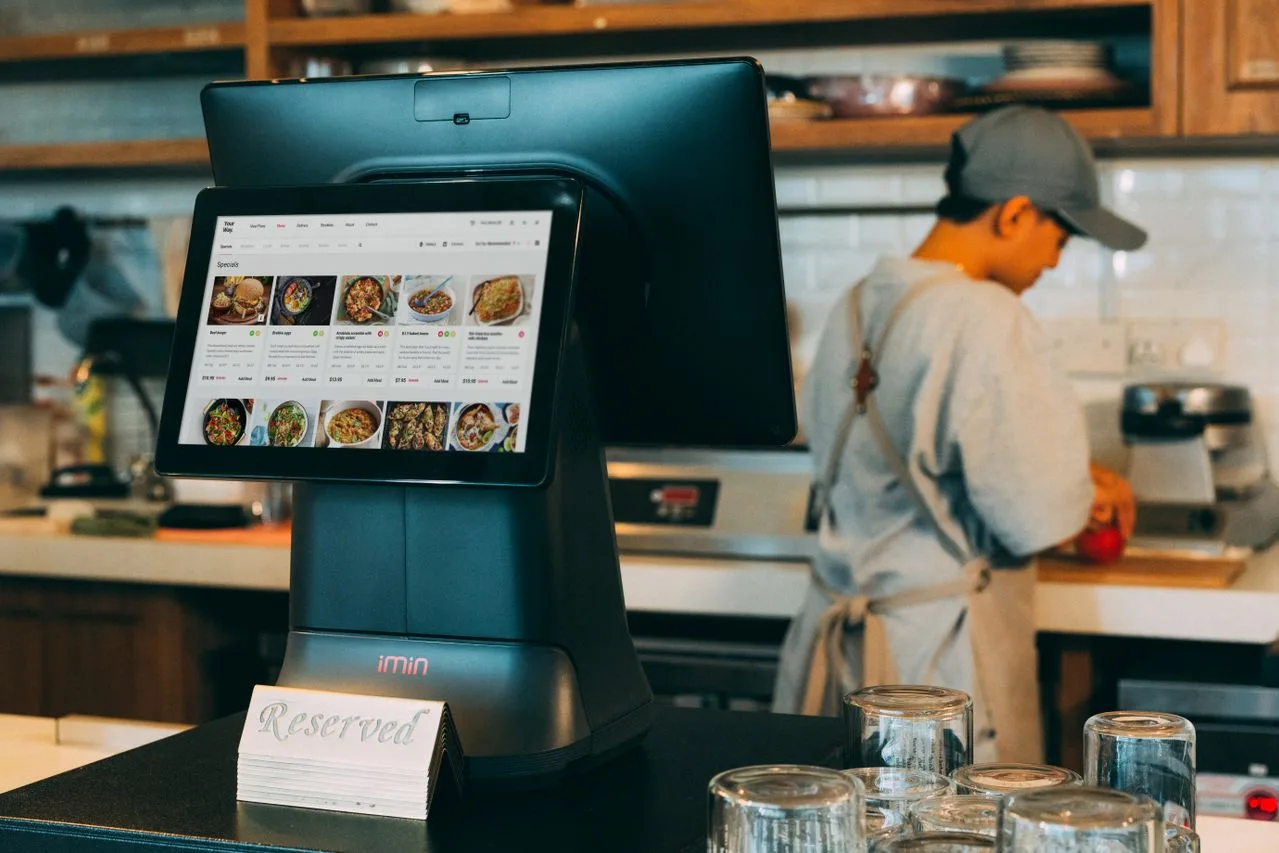
Traditional meal service frequently limits options to broad daily specials that fail to inspire appetite or accommodate personal preferences. Transitioning your facility to dedicated aged care meal ordering software gives residents intuitive visual control over their meals while automatically filtering out allergen risks. This seamless digital oversight removes guesswork for nursing teams and creates a safer, far more inviting mealtime atmosphere.
Customization directly correlates with improved caloric intake and emotional well-being among seniors. When individuals pick their own sides, portions, and main courses, meal rejection rates drop significantly. Your staff spends less time coaxing residents to eat and more time delivering attentive, high-quality care.
Giving residents autonomy over their plates reinforces self-worth and independence. Personalized dining transforms institutional care from a standard routine into a resident-centered hospitality model.
How Do Interactive Tablet Menus Elevate Resident Satisfaction?
High-resolution imagery on handheld screens helps residents preview dishes before making a selection. Clear photographs stimulate visual appetite, helping individuals with mild cognitive decline or sensory loss recognize familiar dishes instantly.
Digital interfaces simplify menu navigation by displaying only items that align with each resident’s specific texture requirements and dietary flags. Seniors adapt quickly to touch-based ordering when screens feature oversized buttons and simple layouts. Published research from ResearchGate indicates that older adults complete meal selections nearly 48 percent faster on dedicated tablet interfaces, while gaining an 87 percent boost in ordering confidence.
Tablet ordering turns routine selection into a conversational, engaging event. Direct interaction with colorful dish previews builds anticipation for upcoming dining hours.
What Does Real-Time Tracking Reveal About Meal Consumption?
Subjective meal tracking often misses subtle patterns of appetite decline. Clinical studies indexed on PubMed Central show that roughly half of individuals in long-term care facilities experience malnutrition when facilities rely on informal visual estimations of leftover food.
Automated digital logging tracks declined meals and partial plates instantly. Kitchen staff receive real-time alerts whenever a resident skips consecutive dishes or consistently rejects full meal categories.
- Identify declining appetites early: Tracking daily intake spot-checks sudden changes in consumption before serious weight loss occurs.
- Refine diet plans: Dietitians review exact historical intake data to adjust textures, caloric density, or portion sizes instantly.
- Reduce kitchen food waste: Monitoring tray returns shows staff which recipes succeed and which ingredients consistently go untouched.
Data accuracy eliminates assumptions from clinical nutritional assessments. Precise consumption records give families, doctors, and caregivers absolute confidence in individual care outcomes.
How Can You Streamline Kitchen Assembly Across Dining Rooms?
Multi-room facilities face severe logistical hurdles during peak dining hours. Distributing hundreds of customized trays across separate halls often creates bottlenecks in preparation and heating.
Integrated digital menu platforms organize incoming orders by server station, dietary tag, and preparation timeline. Kitchen display screens show cooks exact assembly rules for every tray, preventing accidental allergen exposure during rush periods.
Automated ticket printing attaches clear, localized instructions directly to tray assembly lines. Staff scan individual tickets to confirm each tray matches resident selections before delivery carts leave the main kitchen area.
What Action Steps Upgrade Your Facility Dining Standards?
Upgrading dining infrastructure requires direct coordination between kitchen managers, nursing leads, and administrative leadership. Setting clear milestones keeps software rollouts smooth and stress-free for residents.
Staff training focuses on comfortable tablet usage and swift tray verification. Encouraging floor staff to assist residents with tablet navigation builds strong relationships between caregivers and residents during daily orders.
Continuous feedback loops keep menu offerings aligned with community tastes. Regularly updating recipe databases maintains seasonal variety while maintaining complete compliance with dietary mandates.
How Do Digital Tools Protect Health and Dignity Simultaneously?
Digital culinary management balances stringent safety needs with personal hospitality. Modern automated systems screen every dish against medical records, guaranteeing that pureed textures, low-sodium requirements, and diabetic guardrails remain completely intact.
Residents experience total control over their dining routines without worrying about safety errors. Care teams save valuable labor hours previously spent manually checking paper tickets or resolving tray mistakes.
Elevating institutional food operations creates a thriving living environment where nutrition standards flourish naturally alongside individual choice. Empowering residents with digital meal selection nurtures emotional well-being, simplifies kitchen workflows, and guarantees consistent clinical safety across every meal modern care facilities serve.