Selecting a new power source for your commercial vehicles represents a massive financial decision. The right setup keeps your fleet running smoothly and prevents unexpected roadside breakdowns.
Making a poor choice can result in high repair bills and lost productivity. You need to focus on clear specs and real-world performance to find the perfect match. Let’s look at the key elements that guide the selection process.
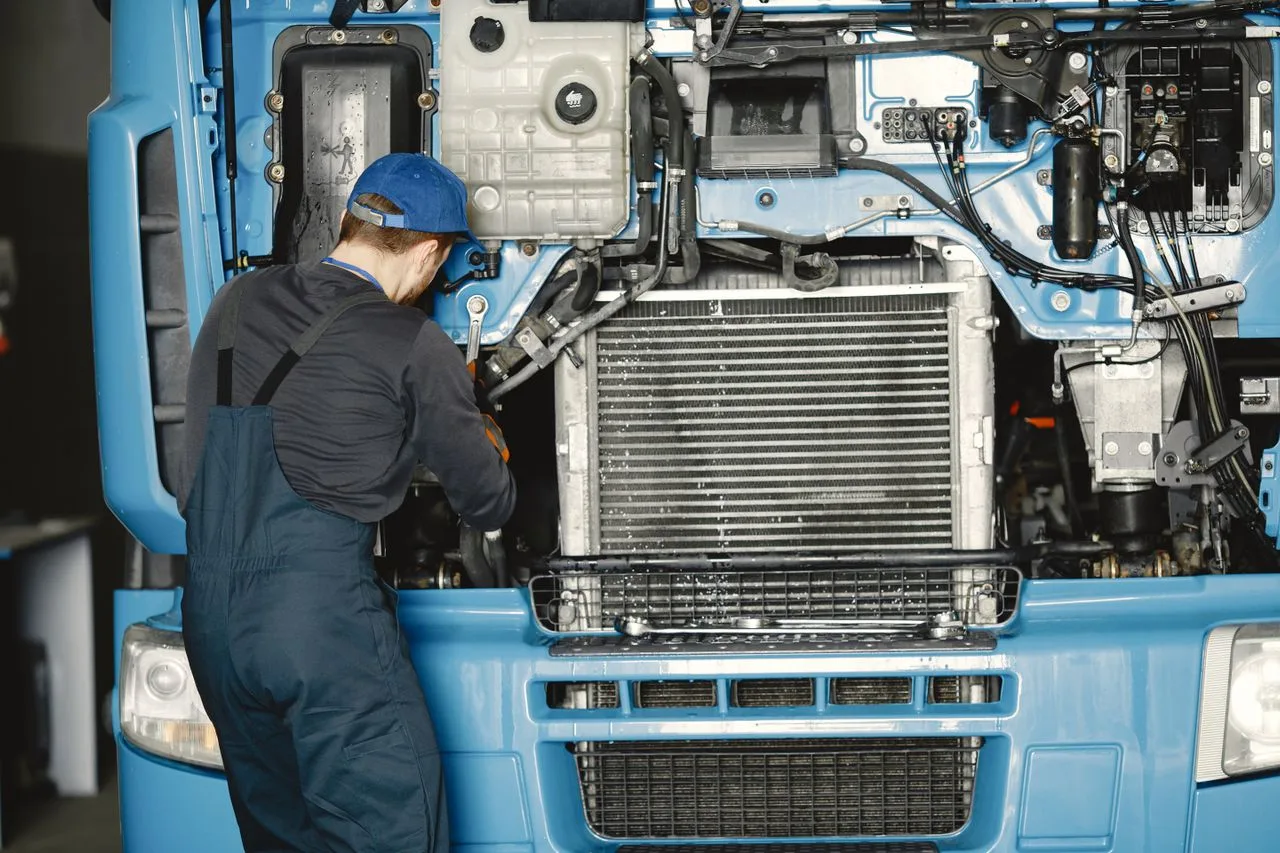
Evaluate Engine Torque and Horsepower
Horsepower and torque are the twin pillars of industrial performance. Torque gets a heavy vehicle moving from a complete stop on steep highway inclines. Horsepower determines how fast the truck can maintain its speed once it gets going.
Matching these numbers to your typical payload prevents premature wear on your drivetrain components. Some high-performance models produce 400 to 500 horsepower. The same report mentions that these configurations generate torque ratings between 1,450 and 1,850 pound-feet to handle demanding hauling jobs with ease.
Know Your Power Requirements
Your daily workload dictates the kind of hardware you need under the hood. Heavy hauling demands a combination of raw strength and steady performance across long distances. Buying too little power slows down your operations, and buying too much wastes valuable fuel.
Choose a power plant and look at legacy performance and design. Selecting a reliable Cummins ISM engine helps fleet managers secure a balance of weight and power. This specific design manages to deliver heavy hauling capability without requiring a massive footprint.
Assess the Market Demands and Scale
The commercial transport sector relies on robust propulsion systems to keep global supply chains moving. Heavy-duty machinery represents a massive sector of the global economy. Large investments in infrastructure keep driving the production of these systems worldwide.
The heavy-duty engine market reached a valuation of 61.85 billion dollars last year. The scale of manufacturing means that technology continues to progress rapidly. Buyers benefit from this large market size through improved engineering standards and better component designs. Fleet owners can make investments with confidence when they know the sector remains financially strong.
Analyze Maintenance Schedules and Longevity
Owning a commercial truck means managing long-term service routines to avoid expensive downtime. Regular upkeep preserves the internal parts and extends the lifespan of the vehicle. Neglecting basic tasks can ruin a perfectly good machine within a short period.
Modern service requirements vary based on the specific brand and usage patterns. Modern engines may come with a standard oil and filter change every 500 to 1,000 hours. Owners who stick to these intervals protect their warranties and prevent major breakdowns on the road.
Look at Fuel Type Compatibility
Fuel options have expanded past standard commercial petroleum products lately. Many fleets now look for alternative options to lower their operating expenses. Choosing an engine that supports varied fuel types provides excellent flexibility for future operations. Here are key fuel compatibility options to review before buying:
- Standard petroleum diesel offers the most widespread availability across major highway routes
- Biodiesel blends like B20 allow fleets to reduce carbon emissions without losing power
- Renewable diesel options provide a drop-in replacement that requires no special fuel tank changes
Investing in adaptable fuel systems protects your business from sudden price spikes in a single fuel category.
Examine Environmental Regulations and Emissions
Emissions standards continue to get stricter for commercial transport fleets. Operating in different states or countries means matching your hardware with local laws. Buying a machine that fails to meet these codes can cause hefty fines and restricted routes. Keep these emission control technologies in mind during your search:
- Selective Catalytic Reduction systems use diesel exhaust fluid to break down harmful nitrogen oxides.
- Diesel Particulate Filters capture soot from the exhaust to keep the air clean.
- Exhaust Gas Recirculation loops a portion of the exhaust back to lower combustion temperatures.
Choosing modern emission designs prevents your fleet from facing early retirement due to new environmental rules. Advanced systems keep your trucks moving through urban areas with strict clean air zones.
The Total Cost of Ownership
The purchase price of an engine represents just a fraction of the total expense. Look at the long-term expenses like fuel economy, replacement parts, and regular servicing. A cheap initial purchase can become expensive over a few years of constant operation.
Fuel consumption is the biggest ongoing expense for any commercial transport operation. Small differences in fuel efficiency can translate to thousands of dollars in savings each year. Selecting an efficient model will keep your operational margins healthy.
Look into resale value when calculating total expenses. Popular models with strong reputations tend to hold their value much better in the used market. You can recover a larger portion of your investment when it’s time to upgrade.
Think About Parts Availability and Support
Even the most reliable machines need replacement components eventually. When a vehicle breaks down, waiting weeks for a specific part can devastate your shipping schedules. Popular brands usually have extensive networks of certified dealers and mechanics. Finding a technician who knows how to fix common issues keeps your fleet on the move.
Standardized components make it easier to perform basic repairs on the fly. Drivers can find simple parts at almost any truck stop across the country. Easy access minimizes downtime and keeps your delivery schedules on track.
Evaluate the Physical Engine Size and Weight
Fitting a massive power plant into a compact engine bay presents a major engineering challenge. Adding unnecessary weight to the front axle can reduce the payload capacity of your cargo area. Balance the physical dimensions of the machinery with the strength it offers.
Lighter engine designs can improve fuel economy and reduce the dead weight of the vehicle. Modern builds use advanced materials to maintain high strength without adding bulk. Buyers must check the exact chassis measurements before making a final commitment to a specific size.
Finding the right fit for your heavy machinery requires balancing power, maintenance, and long-term operating expenses. Taking the time to analyze your specific shipping routes and load weights pays off in the long run. With the right hardware under the hood, your fleet can handle the toughest routes with confidence.