Navigating a sudden roadside breakdown requires quick decision-making, proper safety positioning, and reliable professional vehicle recovery services.
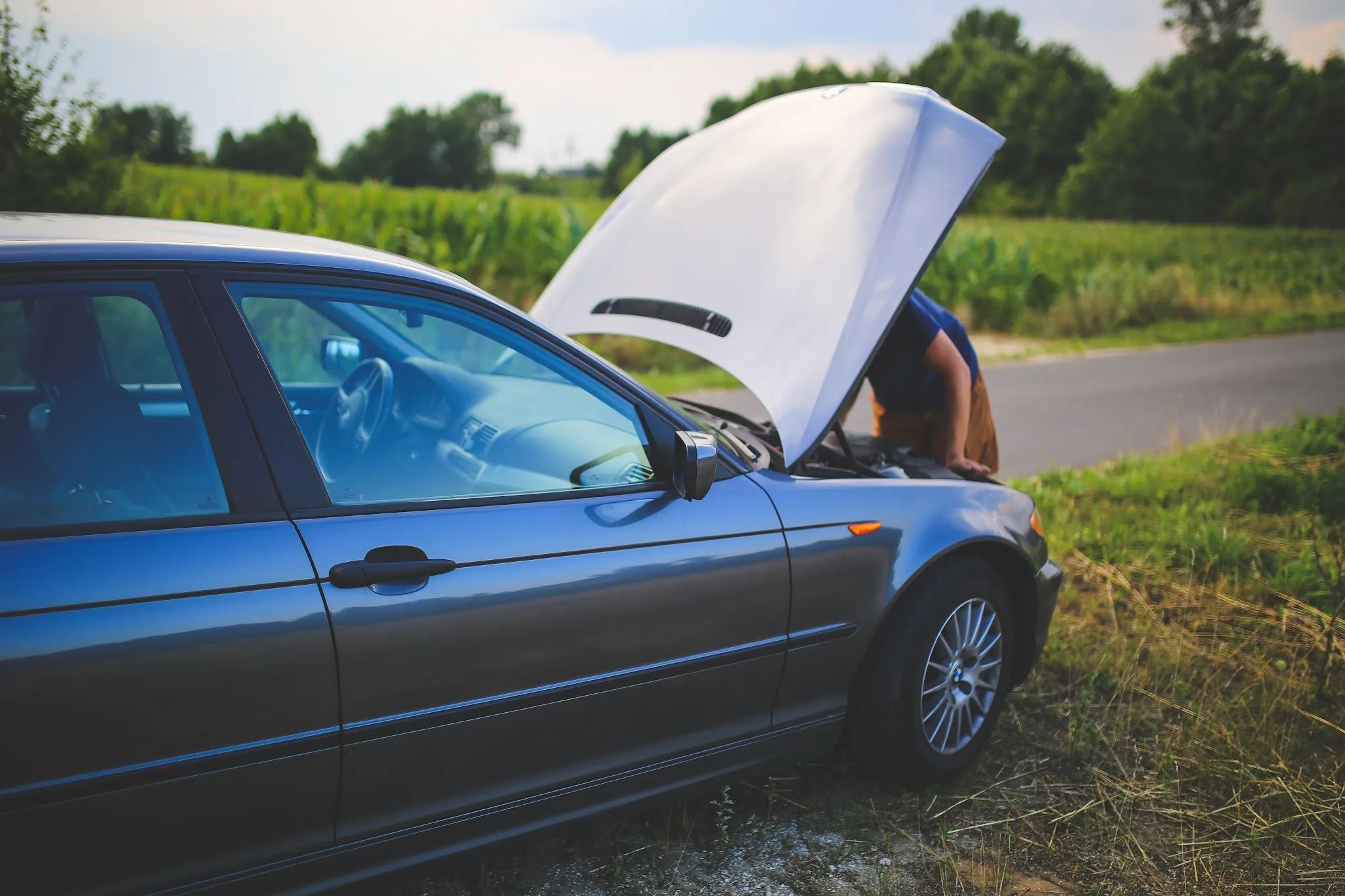
A sudden shudder through your steering wheel or a tire blowout on a crowded highway tests your composure in seconds. When mechanical failures strike in heavy traffic, they present major hazards whether you hold decades of driving experience or recently earned your license. Clear breakdown protocols now guide drivers away from impulsive roadside repairs and toward structured actions that keep motorists safe.
Modern road safety focuses on rapid risk reduction rather than risky mechanical tinkering. Understanding these updated practices protects you and your passengers from fast-moving traffic while you wait for assistance.

What Steps Should You Take Immediately After a Mechanical Failure?
You must prioritize moving your vehicle out of active traffic corridors as soon as you notice trouble. Flip your hazard blinkers on instantly to alert drivers behind you that your vehicle is decelerating. Steer steadily toward the far shoulder, avoiding abrupt braking or sharp turns that could cause a secondary collision.
Immediate Vehicle Positioning
Once your vehicle rests in the shoulder lane, turn your wheels entirely away from the road. This mechanical safeguard prevents your car from rolling back into live traffic lanes if another vehicle strikes it from behind.
Switch on your interior dome light during dusk or overnight breakdowns to increase visibility for oncoming motorists. Keep your seatbelts buckled while you confirm that everyone inside remains calm and uninjured.
How Do You Coordinate Dispatch and Towing Support?
Moving your vehicle away from active travel corridors marks only the initial step of resolving a breakdown. Securing an emergency tow truck swiftly removes disabled machinery from high-speed roadway borders before heavy traffic creates serious hazards. You need to communicate your exact coordinates, prominent landmarks, and current direction of travel so operators can reach your location without confusion.
Stay inside your car with your seatbelt buckled while the recovery team travels to your spot. Passing vehicles travel at tremendous speeds, which turns the shoulder into an unpredictable environment for pedestrians. You protect yourself and your passengers by remaining seated until the operator arrives and secures the area.
How Do You Stay Visible and Safe on Shoulder Lanes?
Remaining on a narrow roadside margin introduces substantial danger from passing traffic. Data from the National Highway Traffic Safety Administration indicates that roughly 33,000 vehicular crashes took place along roadway shoulders in 2024, causing nearly 580 fatalities. You can mitigate these severe risks by adopting protective positioning habits:
- Exit passenger doors: Step out only on the side facing away from active highway lanes.
- Reach safety barriers: Move your passengers up an embankment or behind a steel guardrail if terrain allows.
- Deploy reflective markers: Position reflective triangles or bright beacons roughly 50 paces behind your bumper when conditions permit safe movement.
- Remain inside safely: Keep your seatbelts fastened inside the cabin if steep terrain prevents a safe exit.
What Defines a Dependable 24/7 Transport Service?
A dependable recovery operator maintains round-the-clock availability with modern flatbeds and wheel-lift gear designed for varied vehicle types. You should verify that a roadside team holds valid municipal licensing, comprehensive transit insurance, and straightforward pricing structures before scheduling a pickup.
Records compiled by the American Automobile Association demonstrate that drivers logged more than 27 million roadside assistance calls in 2024, with vehicle towing representing nearly 13 million of those incidents.
Preparation remains your strongest defense against unpredictable highway troubles. Save the direct phone numbers of vetted vehicle recovery specialists into your contact list long before mechanical failures happen.