Modern cars are more like computers on wheels than simple machines. When a crash happens, those fancy sensors and touchscreens make the repair bill skyrocket. It is a shock to find out that a minor fender bender can total a brand-new vehicle.
Navigating the aftermath of a wreck requires a plan to get back on your feet. Understanding how insurance companies view these high-tech machines helps you stay prepared for the road ahead.
Seeking Professional Help After A Collision
Recovering from a major crash involves more than just fixing a car. If you find yourself struggling with medical bills or insurance companies to recover damages for auto accident injuries, you need to work with legal experts who understand the legal system. They can guide you through the complex steps of filing a claim.
Navigating the aftermath of an accident is stressful. Insurance companies often try to settle for as little as possible. Having a professional advocate helps you get the compensation you deserve.
You should not have to worry about legal deadlines alone. Professionals track the dates and requirements for your specific situation. It is a smart move for anyone facing a total loss.
Modern Safety Features And Accident Frequency
Modern car tech aims to keep you out of harm’s way. One government agency reported that automatic emergency braking systems are proving highly effective, cutting rear-end accidents in half. These technologies save lives and reduce the number of small bumps on the road.
Safety equipment is becoming standard on almost every model. Sensors and cameras monitor your surroundings every second. They react faster than a human driver can in many situations.
Crashes still happen at high speeds. When they do, the very sensors that kept you safe often get destroyed. Replacing these delicate parts adds thousands of dollars to any estimate. A simple bumper replacement now involves recalibrating cameras and radar units.
Evaluating The Cost of High-Tech Repairs
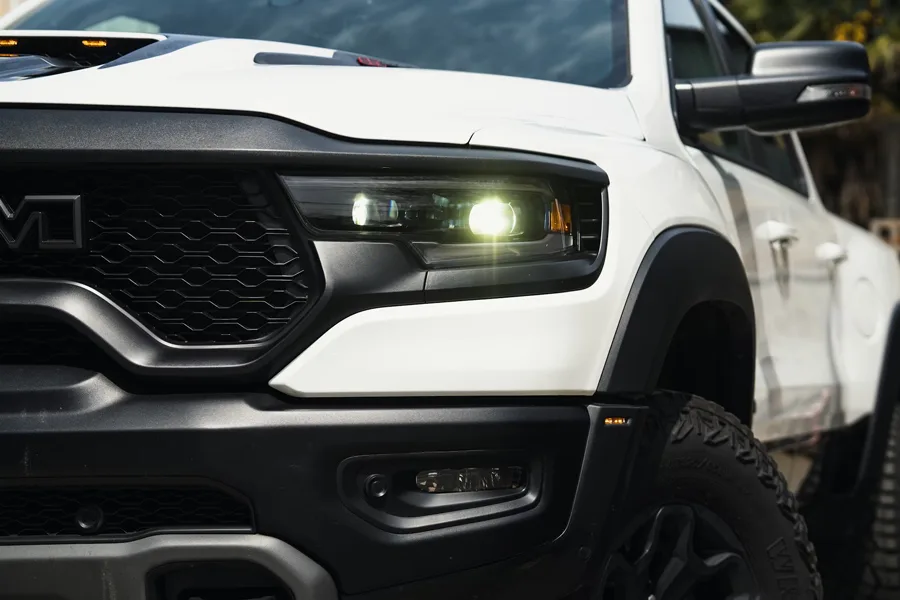
Repairing a modern sedan is much different than fixing an older model. In the past, a mechanic might just hammer out a dent or swap a metal panel. Now, a single headlight can cost over $2,000 with LED technology and integrated sensors.
The labor required for these repairs has changed significantly. Technicians must use specialized software to make sure every safety system works correctly. If a sensor is off by even a millimeter, the car might brake for no reason.
Replacement parts are not always available for newer models. Waiting for a specific sensor can keep your car in the shop for weeks. This delay adds to your transportation costs as you wait for news. Many drivers find this part of the process frustrating.
Understanding Total Loss Thresholds
Insurance companies use a specific formula to determine whether a car is worth repairing. A state insurance department mentions that most policies require you to submit a sworn proof of loss within 91 days of the accident.
If the repair costs get too close to the car’s actual value, the insurer will call it a total loss. With tech-heavy cars, this happens much faster than most people expect. Small electrical issues or a cracked dashboard can push the bill over the limit.
You might be surprised at how little damage it takes to reach that point. Airbag deployment is often the final straw for an insurance adjuster. Once those safety systems fire, the car is rarely deemed safe to repair. The costs are simply too high for the insurance company to cover.
Navigating The Appraisal Process
Getting a fair price for your totaled vehicle is the next big hurdle. Information from a state regulator explains that insurance companies are required to give you the valuation reports they use to determine your car’s worth.
Check these reports for any errors regarding your car’s features or mileage.
- Verify the trim level and optional packages.
- Check for recent upgrades, like new tires.
- Look at the local market prices for similar models. Reviewing these details helps you receive enough money to buy a comparable replacement.
Compare the insurance offer to similar cars for sale in your area. If the offer is too low, you can challenge it with your own research. Show the adjuster examples of vehicles with the same features and condition.
Managing Your Next Vehicle Purchase
Once the insurance check arrives, you have to decide what to drive next. Some people choose to buy the same high-tech model they had before. Others look for something with fewer gadgets to avoid high insurance premiums in the future.
Researching the reliability of specific tech features can save you trouble later. Some brands have better track records for sensor durability and repairability. Taking the time to compare options will help you make a smart choice for your lifestyle.
Think about the long-term costs of owning a tech-heavy car. Higher repair costs often lead to higher insurance rates. Balance the benefits of modern safety with the reality of potential repair bills. Your decision will affect your budget for years to come.
Saying goodbye to a favorite vehicle is never easy, when it feels like it should be fixable. The reality of modern automotive technology means that even small accidents have big consequences, often totaling the car.
Staying informed about insurance rules and your rights as a driver makes the transition smoother. Take it one step at a time as you move forward. You will be back on the road before you know it, ready for your next adventure.