To find a new home, balance personal needs with long-term financial goals. Homebuyers face difficult choices when evaluating layout, neighborhood perks, and modern construction standards. Looking at clear architectural details narrows down options quickly. Focusing on key priorities makes the entire search smoother and far more rewarding.

Location Dynamics and High-End Living
Selecting a neighborhood requires looking at long-term growth patterns. When deciding where to live, buyers search high-end Dubai properties equipped with premium architectural features. Unique design details and waterfront views continue attracting buyers toward upscale communities.
Location is still a primary factor in long-term property valuation. Having nearby dining, cultural venues, and shopping saves commuting time every week. Proximity to top-tier amenities like fine dining and cultural institutions defines premium real estate. Walkable neighborhoods create a convenient lifestyle where errands take minutes.
Market Trends and Investment Value
Understanding regional market volume helps buyers gauge long-term equity growth. Market metrics show roughly 168,400 property sales across Dubai worth about AED 423 billion in a single year. High transaction numbers signal strong investor trust across major housing sectors.
Premium properties maintain solid resale appeal when backed by strong market demand. Tracking neighborhood performance metrics guides buyers toward sound investments. Solid growth figures reassure owners who plan to hold assets for 5 to 10 years.
Strong market stability protects capital investment across changing economic periods. Thorough market evaluations help buyers secure homes that match future financial targets.
Smart Home Technology Integration
Modern buyers demand control over their living environments. Automation systems manage security cameras, climate controls, and audio setups from a single phone app. Luxury residences feature advanced smart setups with artificial intelligence and voice activation. These systems allow homeowners to monitor energy usage and grant remote access to guests effortlessly.
Upgraded networks keep every device connected without signal drops across every room. Centralized control hubs let residents adjust room lighting and security preferences with simple voice commands. Home automation decreases maintenance tasks.
Flexible Interior Layouts
Floor plans need to adapt as household needs change. Multipurpose rooms convert between office space, guest accommodations, or children’s play areas. High demand for flexible living spaces represents one of the biggest market shifts. Wall partitions and modular room dividers allow quick layout adjustments without major remodeling costs.
Custom layouts help buyers maximize square footage without wasting space. Open concept designs connect kitchens to living areas for better entertainment flow. Dedicated workspaces keep professional activities separate from personal relaxation. Modern families appreciate having adaptable rooms that accommodate remote working or creative hobbies.
Energy Efficiency and Sustainable Construction
Modern insulation and double-glazed windows keep indoor temperatures steady through summer heat waves. Rising utility bills and environmental awareness have turned energy efficiency into a top buyer priority. Sustainable homes keep operational expenses low for many years.
High-efficiency mechanical systems reduce structural wear and save power. Builders include eco-conscious features right from the foundation phase:
- Tankless water heaters for instant hot water delivery
- Radiant barriers in roofs to deflect radiant heat
- Energy Star certified kitchen appliances
- Water recirculation systems to minimize liquid waste
These exact appliances and recirculation tools are standard features in high-performance builds. Upgraded mechanical systems prevent expensive plumbing repairs and conserve energy resources.
Eco-Conscious Design and Property Value
Green building methods do more than protect natural resources. Eco-friendly structures retain resale value better than older properties. Sustainable property features attract higher offer prices in competitive markets. Solar panels and rainwater collection tanks provide direct cost relief every month.
Natural elements inside the home contribute to long-term aesthetic value. Biophilic architecture incorporates living green walls and expansive glass windows. Daylight floods living rooms to reduce artificial lighting needs during morning hours. Organic building materials create a clean aesthetic throughout the interior.
Dedicated Wellness Spaces and Health Features
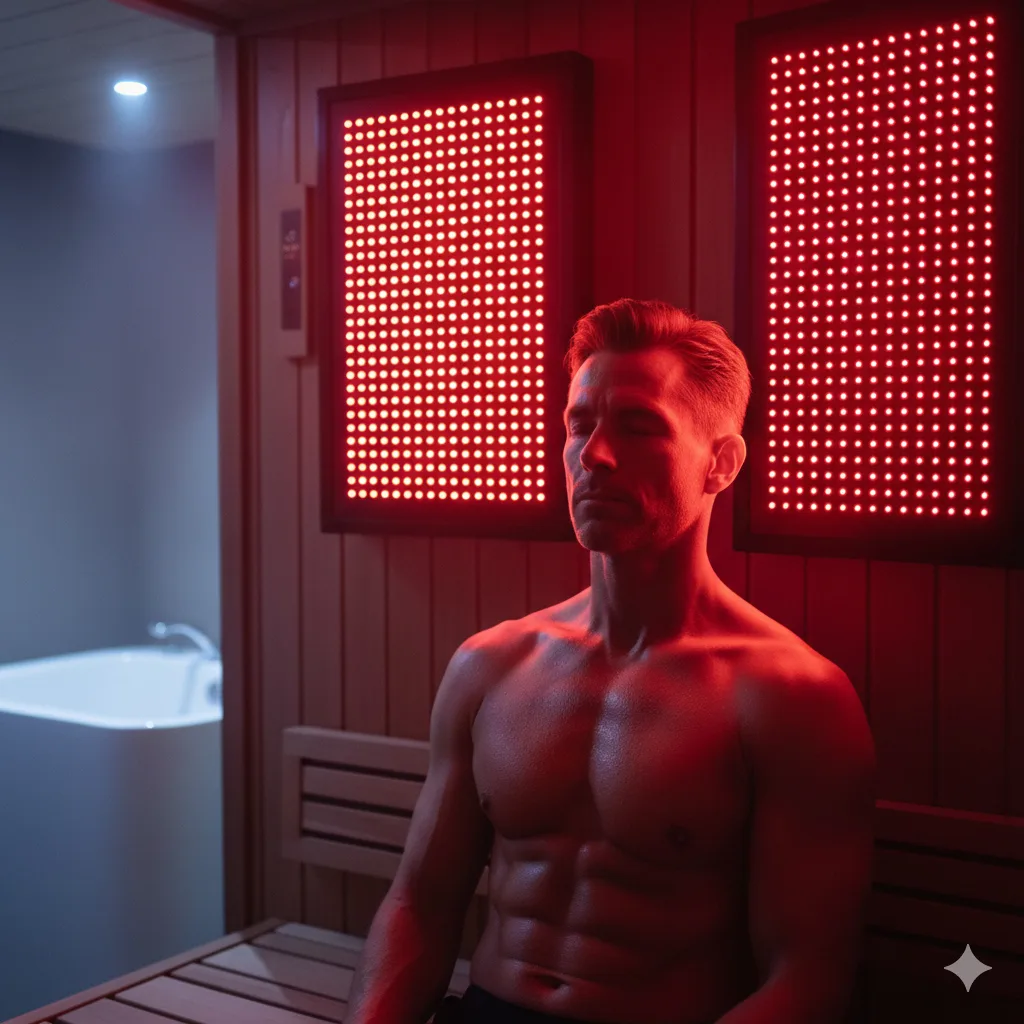
Modern layouts support physical health and personal wellness directly inside the residence. Dedicated workout areas remove the need for commercial gym memberships. Personal recovery suites allow owners to relax without leaving home.
Health-centered design extends to indoor environment management. Current home designs support physical and mental well-being through natural light, improved air quality, and comfortable materials. Advanced filtration setups remove dust particles and allergens from air ducts. Fresh air systems maintain optimal indoor humidity levels around the clock.
Buying a residence involves matching personal preferences with solid construction quality. Evaluating smart automation, efficient utilities, flexible floor plans, and wellness options will make it a smart investment.
Paying attention to location amenities guarantees long-term lifestyle satisfaction. Taking time to inspect these core features helps buyers select a house that offers lasting comfort and value.