Maintaining good oral hygiene comes down to a few daily habits done consistently. When you remove plaque, limit the conditions that help harmful bacteria grow, and protect enamel, you lower the risk of cavities, gum disease, bad breath, and avoidable dental costs over time.
A solid routine does not need to be complicated or expensive. The goal is to clean thoroughly, use fluoride wisely, and keep small issues from turning into big ones with regular professional care.
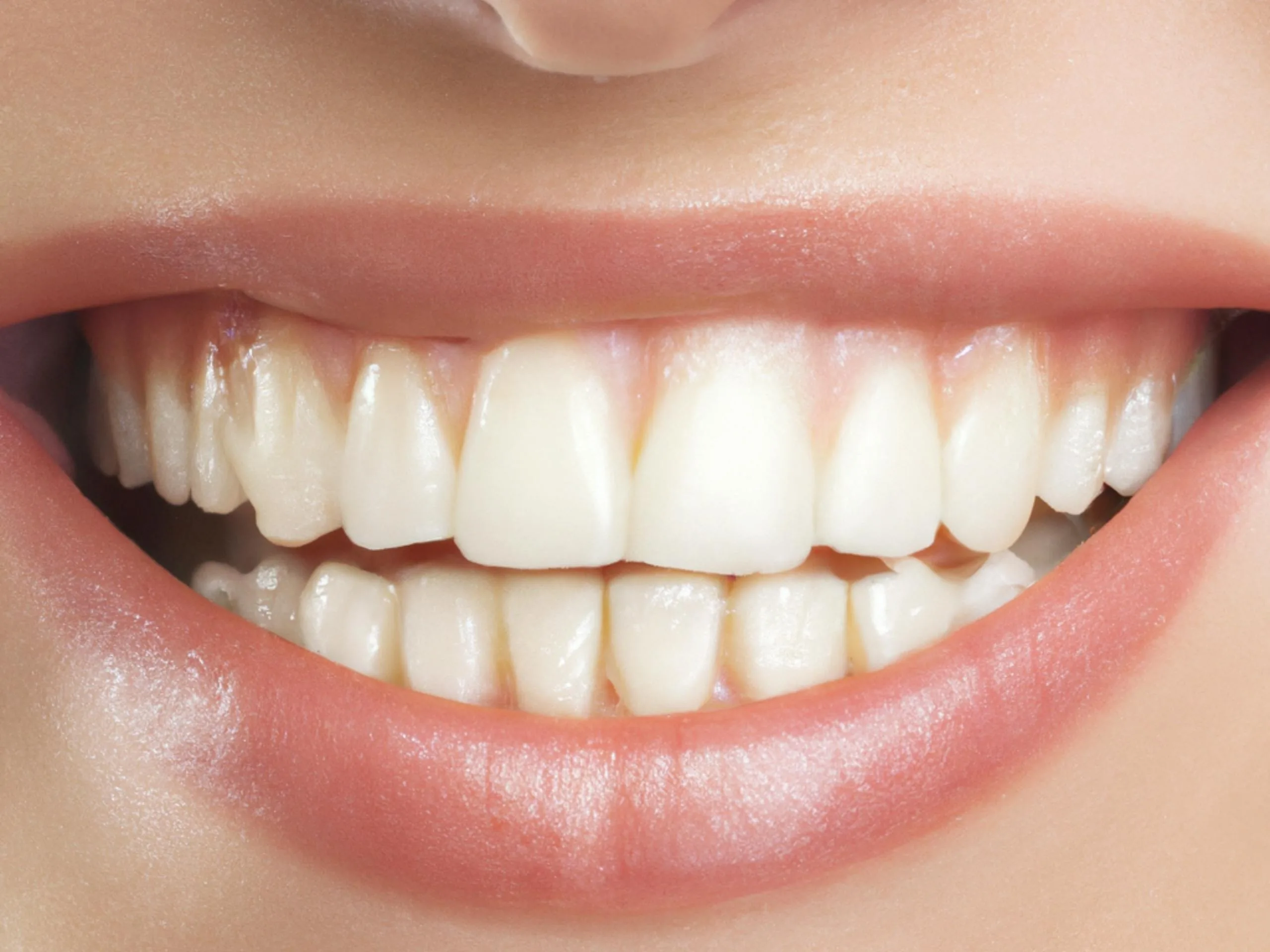
Brush With Purpose, Not Just Speed
Brush twice a day, and aim for a full clean rather than a quick swipe. A soft-bristled brush and a gentle touch help you clean without irritating gums or wearing enamel.
Spend time on every surface: outer, inner, and chewing surfaces. Angle the bristles toward the gumline so plaque does not collect where teeth and gums meet.
If you tend to rush, tie brushing to a simple cue like a two-minute timer or a favorite song. Consistency matters more than perfect technique on any single day, so build a routine you can repeat.
Clean Between Teeth Every Day
A toothbrush cannot reach the tight spaces where plaque and food particles get trapped. Cleaning between teeth daily helps reduce cavities between teeth and supports healthier gums.
Traditional floss works well, but it is not the only option. Interdental brushes, floss holders, or water flossers can be practical if you have braces, bridges, or limited hand dexterity.
Choose the tool you will actually use, and focus on being gentle near the gums. If your gums bleed at first, it often improves as inflammation decreases, but persistent bleeding is a reason to check in with a dental professional.
Use Fluoride And Smart Products
Fluoride strengthens enamel and helps prevent tooth decay, which is why brushing with fluoride toothpaste is widely recommended. If your community has fluoridated tap water, drinking it can add another layer of cavity protection.
Product choice is easier when you focus on a few basics: fluoride toothpaste, a soft brush, and a method for interdental cleaning. If you like keeping your routine organized, you can explore simple oral-care habits for long-term protection as part of a steady daily system. Keep it consistent for a few weeks, and adjust only what feels hard to maintain.
Replace your toothbrush or brush head regularly, especially when bristles start to fray, because worn bristles clean less effectively. If you are unsure which products fit your needs, your dentist or hygienist can recommend options based on sensitivity, gum health, and cavity risk.
Eat And Drink With Your Teeth In Mind
Frequent sugar intake fuels acid production that can weaken enamel and raise cavity risk. A helpful approach is to cut down on sugary snacks and sweet drinks between meals, not just “how much” sugar you eat.
Water is a strong default beverage choice because it rinses the mouth and supports saliva, which naturally helps balance acids. If you drink coffee, tea, or acidic drinks, consider rinsing with water afterward to reduce how long acids sit on teeth.
Chewing thoroughly and choosing tooth-friendlier snacks helps. Crunchy fruits and vegetables and protein-based snacks tend to leave less sugar residue than sticky candies or frequent grazing on refined carbs.
Protect Gums, Breath, And The Rest Of Your Mouth
Healthy gums are not just about appearance; they help keep teeth stable and reduce chronic inflammation in the mouth. Brushing gently along the gumline and cleaning between teeth are the core daily actions that support gum health.
Do not ignore your tongue, since it can hold bacteria that contribute to bad breath. A few light strokes with your brush (or a tongue cleaner) can make your mouth feel cleaner without much extra effort.
Avoid tobacco products, which increase the risk of gum disease and oral health complications. If you grind your teeth or play contact sports, ask about a night guard or mouthguard to reduce wear and injury risk.
Keep Regular Dental Visits And Watch For Warning Signs
Home care is essential, but routine checkups and professional cleanings help catch issues early. Dental teams can spot early decay, gum problems, or enamel wear before pain appears.
Bring up small concerns instead of waiting: sensitivity, persistent bad breath, bleeding gums, dry mouth, or mouth sores that do not heal. These clues help your dentist tailor advice and rule out problems that need treatment.
If cost is a barrier, look for community dental clinics or dental schools that offer reduced-fee services. The best oral hygiene plan is the one you can maintain and check regularly, even if you start with small improvements.

Good oral hygiene works best when it is simple: brush twice daily with fluoride toothpaste, clean between teeth every day, and make choices that reduce sugar exposure and support enamel. If you keep these basics steady, you set yourself up for fewer surprises at the dentist.
Treat your routine like a daily health habit, not a perfection test. Build it around the tools and timing you will truly use, and lean on regular dental visits to keep small issues from becoming long, painful, and expensive ones.