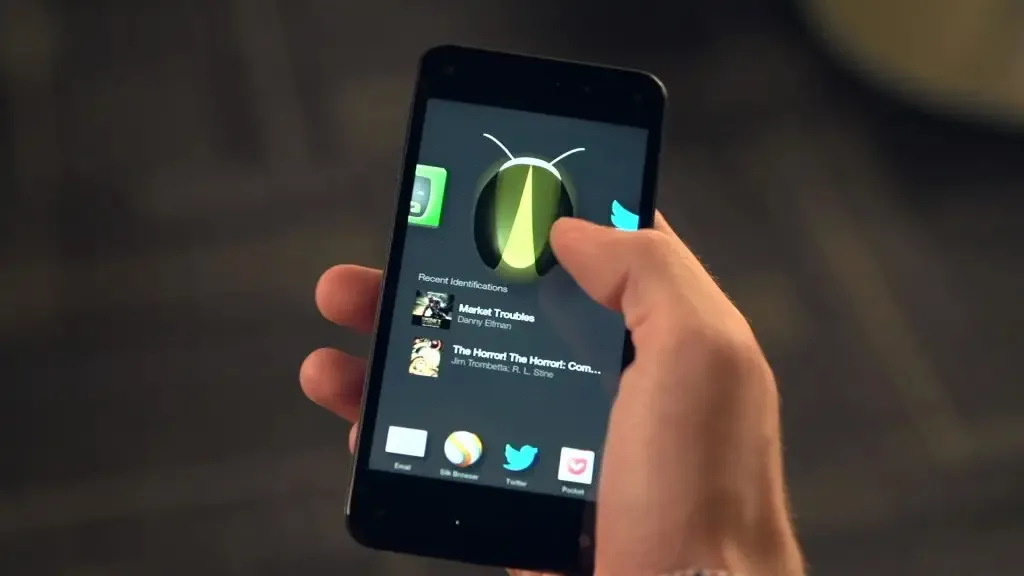
Amazon just confirmed what a lot of people in the tech world have been whispering about: they’re building a smartphone. Again.
The last time they tried this, it was 2014, and the result was the Fire Phone — one of the most spectacular product flops in recent memory. It disappeared from shelves within a few months, was discontinued after a year, and became a case study in what happens when a company mistakes “features” for a reason to buy something. I remember reading about it at the time and thinking it felt like a product built by a committee who had never actually used a competitor’s phone.
So when Reuters broke the news that Amazon is developing a new device, codenamed “Transformer,” my first reaction was: why now?
Amazon Has Something It Didn’t Have in 2014: A Real AI Play
The Fire Phone failed because it had nothing to anchor it. Amazon threw in 3D head-tracking, a feature that sounded impressive in a press release and felt gimmicky within ten minutes. There was no ecosystem pull, no sticky reason to choose it over an iPhone or Android. Just a bunch of novelty wrapped around a mediocre experience.
This time, the story is different. The new device is reportedly being built around Alexa, and not the Alexa that tells you the weather. Amazon spent the better part of last year rebuilding Alexa with generative AI. The relaunched Alexa+ can now plan trip itineraries, update shared calendars, find and save recipes, make movie recommendations, help with homework, and explore topics conversationally, basically everything you’d expect from a modern AI assistant. It launched this February, and from what I’ve seen, it’s a legitimately different product than what existed before.
So when I think about why Amazon is doing this now, the answer seems pretty obvious. Alexa+ needs a home that isn’t a smart speaker on your kitchen counter. A phone is that home.
This Is About Data, Not Devices
Here’s what I think is really going on, and it has nothing to do with Amazon suddenly becoming a hardware company again.
Amazon has been investing $200 billion in capital expenditures toward AI, chips, and robotics in 2026 alone. That’s not the spending of a company dabbling in AI; that’s the spending of a company betting its future on it. And at that scale, data is the fuel. More specifically, behavioral data. The kind you get when you know what someone searches, buys, streams, and asks about across a single integrated platform.
A phone with Alexa at its core doesn’t just sell you things. It learns you. Every question asked, every product looked up, every interaction logged. That data feeds the AI models that Amazon needs to stay competitive with OpenAI, Google, and Apple. The device is reportedly being developed by a unit called ZeroOne, led by J Allard, the former Microsoft executive who helped create the Xbox: someone who knows what it takes to build a platform, not just a product.
This smartphone isn’t a phone play. It’s an AI data play wearing a phone’s clothes.
Will This Actually Hurt Apple?
Probably not right away. And honestly, maybe not at all in the way you’d expect.
Apple is not standing still. They quietly launched AirPods Max 2 in March, and the iPhone ecosystem has never been stickier. The iMessage lock-in alone keeps millions of people from switching. Apple Intelligence has had a rough start (delayed features, mixed reviews), but Apple still controls the most trusted consumer hardware brand in the world. One Amazon phone announcement doesn’t change that.
But here’s what I think actually matters. Amazon entering this space puts pressure on Apple that they can’t ignore. If Alexa+ on a phone can genuinely handle the AI assistant layer better than Siri (and right now that’s not a high bar), Amazon could start peeling off the portion of the market that actually cares about AI utility over brand loyalty. That’s a smaller but real group of people.
The more likely outcome is that Apple accelerates its own AI roadmap. Competition tends to do that. And if Amazon’s phone pulls even a sliver of Android market share and forces Google to push harder on Gemini integration, everyone ends up with better AI features faster. That’s not a bad result.
What I Actually Think About This
I’ll be straight with you: I’m skeptical Amazon can make this work, but I’m not dismissing it the way most people dismissed the Fire Phone.
The difference this time is that Amazon actually has a software story. Alexa+ is real, it’s improving, and it has a genuine utility layer that the 2014 device never had. The phone is expected to make it easier for users to access Amazon Shopping, Prime Video, and Prime Music, and if you’re already deep in that ecosystem, the switching cost to an Amazon phone becomes a lot lower than it used to be.
The risk is the same it’s always been: Android phones are very good, and iPhones are deeply embedded in people’s lives. Amazon needs to give someone a reason to choose this over both of those options. A smarter Alexa is a start. Whether it’s enough depends entirely on execution, and Amazon’s hardware track record outside of Kindle and Echo is mixed.
That said, I’d rather see them try. The smartphone market has been largely stale for years: incremental camera upgrades, folding screens for people who like novelty, and marginal battery improvements. If Amazon can ship something that actually does AI differently, even imperfectly, it might be the push the whole category needs.
We’ll see if the Transformer lives up to its name.


