Madrid does not announce itself the way Paris or Rome do. That is exactly why it works as a luxury trip. Spain’s capital has quietly become one of continental Europe’s most polished city breaks. It is close enough for a long weekend from London at about two and a half hours in the air. It is deep enough to fill five days without repeating yourself. More than 30 five-star hotels now compete across the city. The museums hold the kind of collections other capitals build entire trips around. The food runs from three-star tasting counters to taverns that have barely changed in a century. This is the five-day version done properly. It covers grand hotels, art without the crowds, and green space in the middle of it all. Nights end with flamenco, not room service.
Where to stay: four grand dames
Start with the hotel, because in Madrid the hotel is half the itinerary. The InterContinental Madrid sits on the tree-lined Paseo de la Castellana in the north of the city. It is a grand dame operating with discreet private-club precision for more than 70 years. It has long been the stay of choice for Hollywood royalty and heads of state.
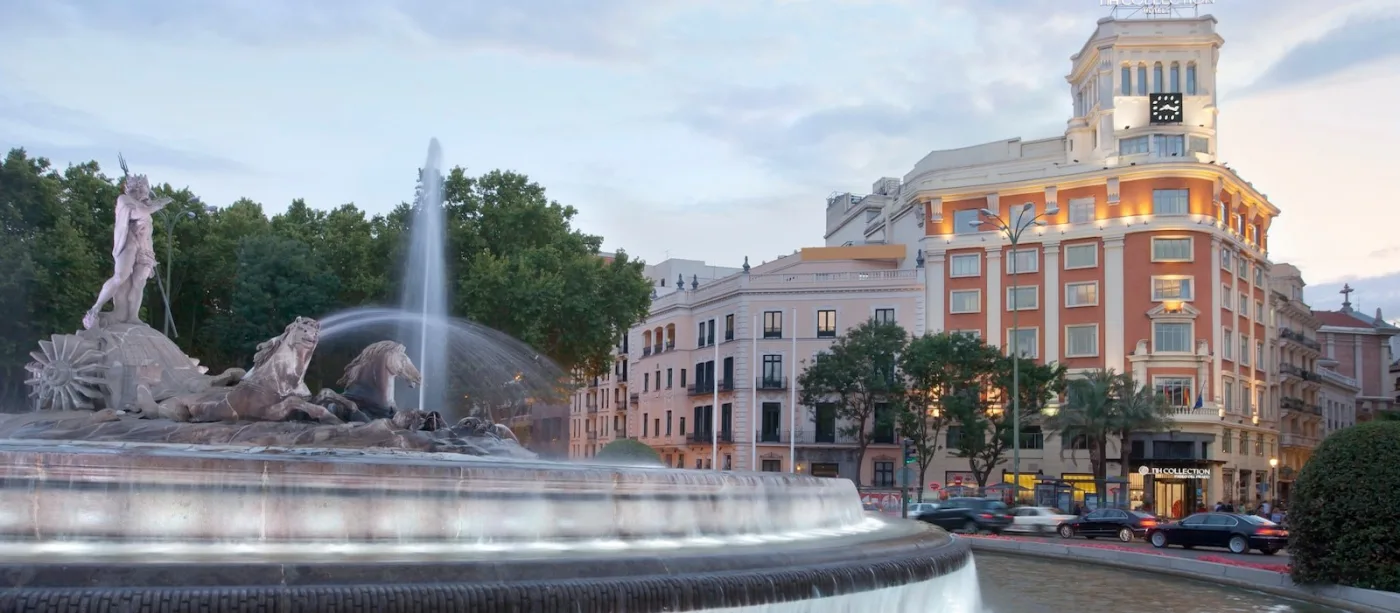
Its Ava Gardner Suite runs 97 square metres with a vast private terrace. It is the same terrace where the actress famously hosted late-night soirées. The Mandarin Oriental Ritz, Madrid is Spain’s first grand luxury hotel. It opened in 1910 as The Ritz Madrid. French designers Gilles and Boissier restored it. It overlooks the Paseo del Prado from the Plaza de la Lealtad. The restored glass dome of the Palm Court with its crystal chandeliers is worth a visit. That holds even if you sleep elsewhere.
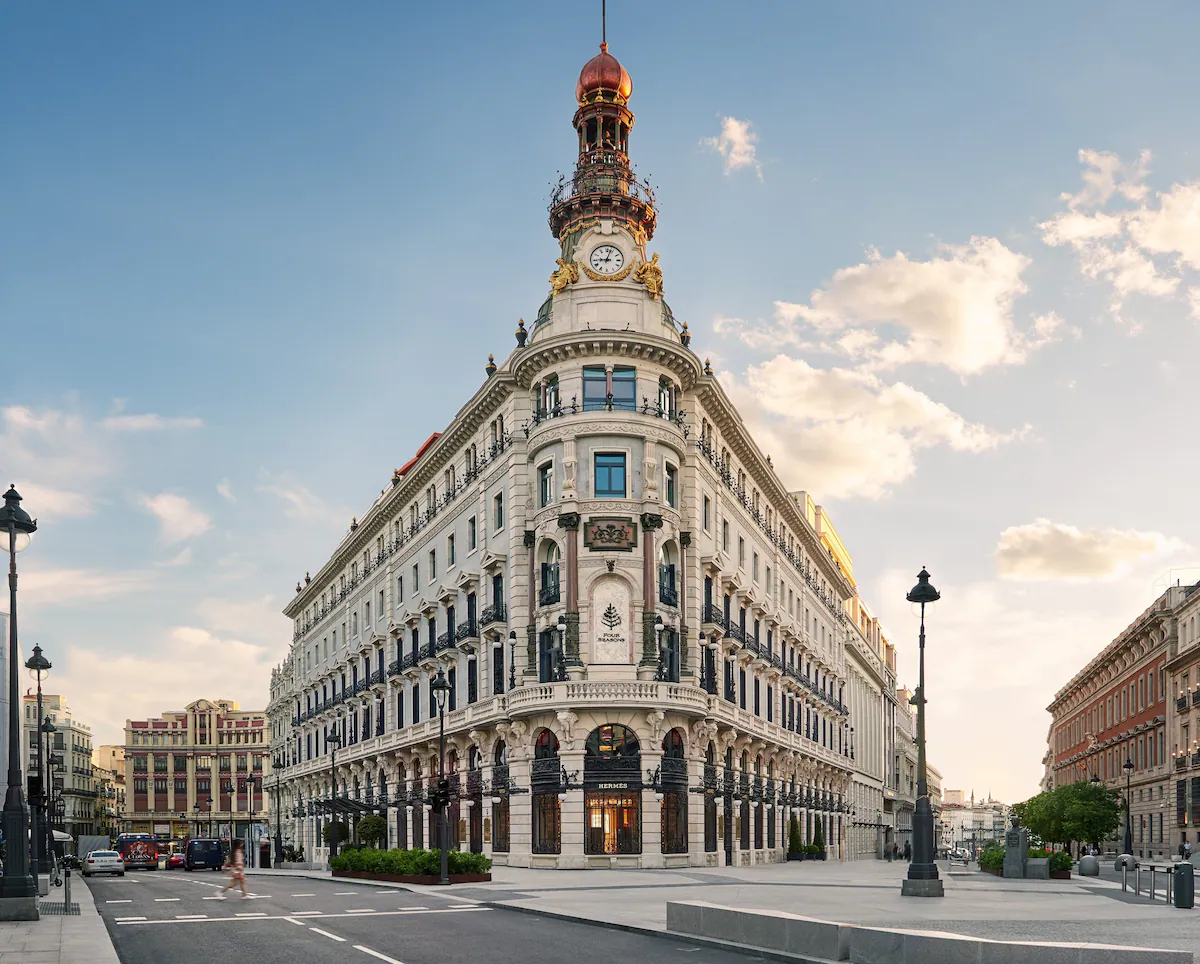
The Four Seasons Hotel Madrid merges seven historic buildings. It pairs a Dani García brasserie with a rooftop scene and 360-degree skyline views. It runs what is billed as the largest spa in Madrid across four storeys. That includes massage using diamond dust and damask rose oil. The Palace Hotel, Madrid opened in 1912 after King Alfonso XIII pushed for a grand hotel worthy of the capital. It still anchors the Golden Triangle of Art steps from the Prado. It is a Luxury Collection hotel under a glass cupola.
My pick for a first trip: stay in the Golden Triangle for the art. Let the hotel concierge do the heavy lifting from there.
Art after hours
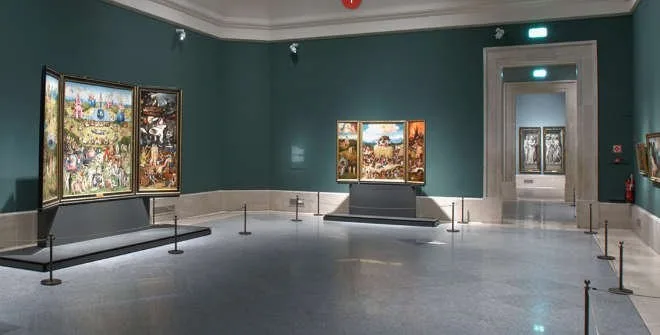
Madrid’s museums reward anyone willing to skip the public hours. The move is a private out-of-hours tour arranged through the hotel concierge. At the Prado, that means a guided visit with an expert art historian. Go at 8:30 in the morning before public opening, or after 8 in the evening. You stand in front of Diego Velázquez’s 1656 Las Meninas without the usual crowd pressed around it.
The Thyssen-Bornemisza National Museum offers the same out-of-hours treatment with a museum historian or private guide. That includes possible access to the restricted restoration department. It is the kind of behind-the-scenes detail that changes how you look at every canvas afterward.
Then there is the Teatro Real, one of Europe’s premier opera houses. The Real VIP Experience runs through the Royal Box area and backstage. The route continues through costume workshops and set rehearsals. Then comes a Laurent-Perrier aperitif on the terrace overlooking the Royal Palace. The night ends in a private box for the performance.
Book the art early in the trip. It resets your sense of the city, and everything after it reads differently. If you like the private-tour approach, my Vatican Museums tickets guide and New York City tickets guide use the same playbook. They apply it in two other cities.
Green Madrid
The surprise of Madrid is how much of it is green. Nearly 200 parks and gardens cover almost one quarter of the city’s municipal area. The two big ones anchor opposite ends of a perfect afternoon.
Casa de Campo runs over 1,700 hectares of forest, lake, and hiking trails on the western edge of the city. El Retiro Park covers 125 hectares in the centre, with a large boating lake. That lake draws everyone from rowers to families on a Sunday.
Between them sits the UNESCO World Heritage landscape of Paisaje de la Luz. It includes the tree-lined Paseo del Prado under its ancient plane trees. It also includes the glass and iron Palacio de Cristal.
If you only have one slow morning, spend it here. Take coffee, a row on the lake, and a walk back through the Prado axis. It is the part of Madrid most visitors rush past, and the part locals would miss most.
Eating your way through the city
Madrid holds more than 30 Michelin-starred venues. DiverXO carries three stars under chef Dabiz Muñoz, named World’s Best Chef multiple times. Smoked Room, Dani García’s two-star counter, seats just 14 around an omakase built on fire, ember, and high-end technique.
Desde 1911 holds one star as a temple to Spanish seafood, operated by Pescaderías Coruñesas. It makes sense once you know Madrid is Spain’s premier market for fresh fish despite being landlocked. The city is supplied through the Mercamadrid central distribution network.
But the other half of eating in Madrid is el tapeo, the bar-to-bar grazing that built the city’s reputation. The historic taverns are the essential stops. Try Bodega de la Ardosa for homemade croquettes. Casa Lucio serves huevos rotos, crispy fried eggs on freshly sliced potato. Casa Labra offers crisp cod fritters. La Casa del Abuelo serves gambas al ajillo.
Do one tasting counter and one tavern crawl on different nights. You will understand Madrid’s food better than either alone could explain.
Shopping, from flagships to workshops
Madrid shops on two levels, and both are worth your time. Galería Canalejas and the Salamanca district hold the flagship boutiques for Hermès, Cartier, and Rolex. Private appointment-only shopping suites line Calle de José Ortega y Gasset.
The second level is older and more interesting. It covers historic workshops, known as talleres. It also covers the “Hecho en Madrid” quality and origin seal promoted by Madrid City Council. These cluster in Malasaña, Chueca, and the Barrio de las Letras.
Two names anchor this world. Capas Seseña has been the world’s only shop dedicated exclusively to handcrafted bespoke wool capes since 1901. Picasso, Hemingway, and modern royalty have worn them. Casa Diego makes handcrafted silk fans and umbrellas in small central ateliers.
A flagship bag is a purchase. A cape fitted in a shop that has done nothing else for 125 years is a story you bring home.
Flamenco after dark
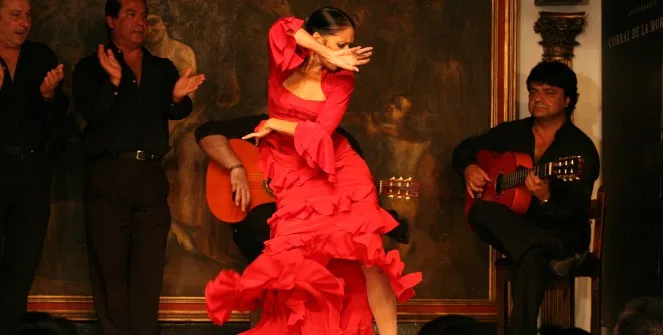
Flamenco was born in Andalucia, some 300 kilometres away. But Madrid established itself as the global capital. Performers moved to the city through the 19th and 20th centuries.
The advice here is simple. Skip the tourist traps and choose the intimate rooms. In those rooms, duende, that untranslatable charge in the performance, is something you feel rather than watch.
Take a front-row seat at Cardamomo, the Moorish-tiled Torres Bermejas, or a vaulted brick cellar. With the guitars inches away, the song is improvised in front of you. That will do more for your understanding of Spain than any museum label. End the trip here, late, after dinner, when the city is at its most itself.
Five days gives Madrid room to breathe. Plan two days for art and the grand hotels, and one for the parks. Add one for the food at both ends of the price scale, and one for shopping and flamenco. My packing list for solo cruisers still applies to the carry-on math even at this price point. Five days of hotel hopping punishes overpacking the same way a cruise does.
Come for the Prado and the palaces. Stay for the taverns and the late nights. Leave with Madrid filed where it belongs. It is not a stop on the way to somewhere else, but the destination itself.
Questions People Ask About a Madrid Luxury Getaway
How many days do you need in Madrid?
Five days is the right shape for a luxury trip. Plan two days for the museums and grand hotels, and one for the parks. Add one for food at both ends of the price scale, and one for shopping and flamenco. With three days, cut the shopping day and one park morning. But keep the out-of-hours Prado visit, since it is the single experience that most changes the trip.
Do you need to book the out-of-hours museum tours in advance?
Yes, and the hotel concierge is the way to do it. The Prado early and late visits are arranged through the concierge rather than bought at the door. The Thyssen-Bornemisza out-of-hours tours work the same way. The Teatro Real VIP Experience pairs a backstage route with a private box. So both need advance planning around performance schedules.
Is this itinerary walkable?
Largely, yes, because the trip clusters by district. The Golden Triangle museums, the Paseo del Prado, and El Retiro sit together in the centre. Salamanca shopping sits to the northeast, and the tavern crawl runs through the historic centre. Taxis make sense for Casa de Campo and late flamenco nights, but the days themselves suit walking.